
Why ecoPayz Withdrawals Must Return to the Same Method
 Available in GB
You deposited with Payz, you won, and now the casino insists your winnings go back to Payz rather than the bank card you would prefer. It feels like an arbitrary hoop, the sort of friction operators invent to keep your money a little longer. It is not. The “same method” rule is one of the most sensible things in the whole withdrawal process, and once you see the reasoning, the irritation tends to dissolve.
The principle has a name: the closed loop. Money returns by the same route it arrived, so deposits in via Payz come out via Payz. Casinos do not do this to annoy you — they do it because the alternative is a money-laundering machine, and the regulator takes a very dim view of operators who run loose payment controls. The penalties are real and large: one operator, NetBet Enterprises, was ordered to pay £650,000 over anti-money-laundering and social-responsibility failings. That is the cost of getting payment controls wrong, and it is why casinos are rigid about the closed loop.
So this piece is about turning a frustrating rule into an understandable one. I will explain the closed-loop principle in plain terms, the anti-money-laundering logic that makes it non-negotiable, and what actually happens when you no longer use the wallet you deposited with. The rule is not the casino being difficult. It is the casino staying out of a £650,000-shaped hole.
The Closed-Loop Principle: Why Withdrawals Return to ecoPayz
The cleanest analogy is a returns desk in a shop. Buy something on your card and ask for a refund, and the shop puts the money back on the same card — not as cash, not onto a different card. The closed loop in gambling works identically: money exits by the door it entered.
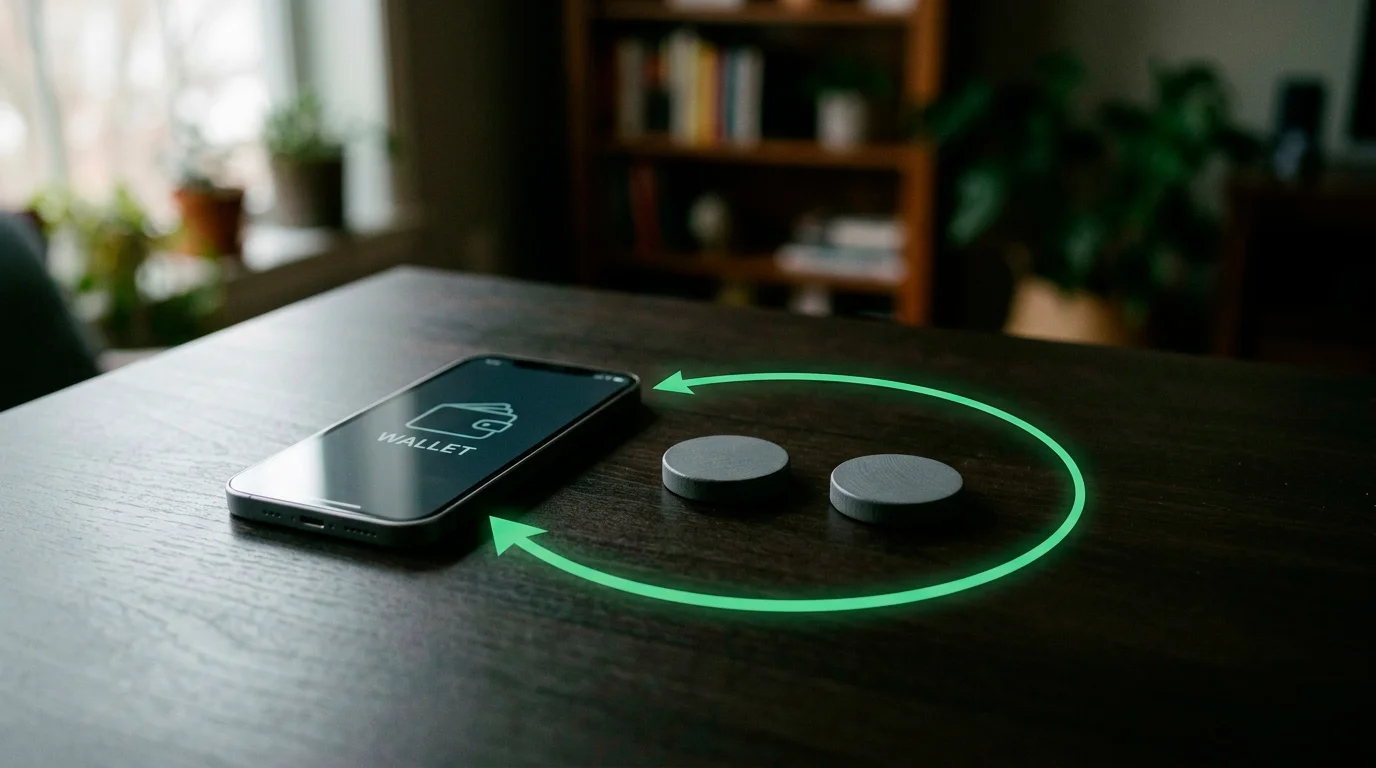
In practice that means if you funded the casino with Payz, your withdrawal goes back to Payz, at least up to the amount you deposited. The casino is matching the outbound payment to the inbound one, creating a traceable round trip where the source and destination of funds are the same verified account. There is no point in the chain where money appears from one place and vanishes to another, which is exactly the kind of gap that makes financial crime possible.
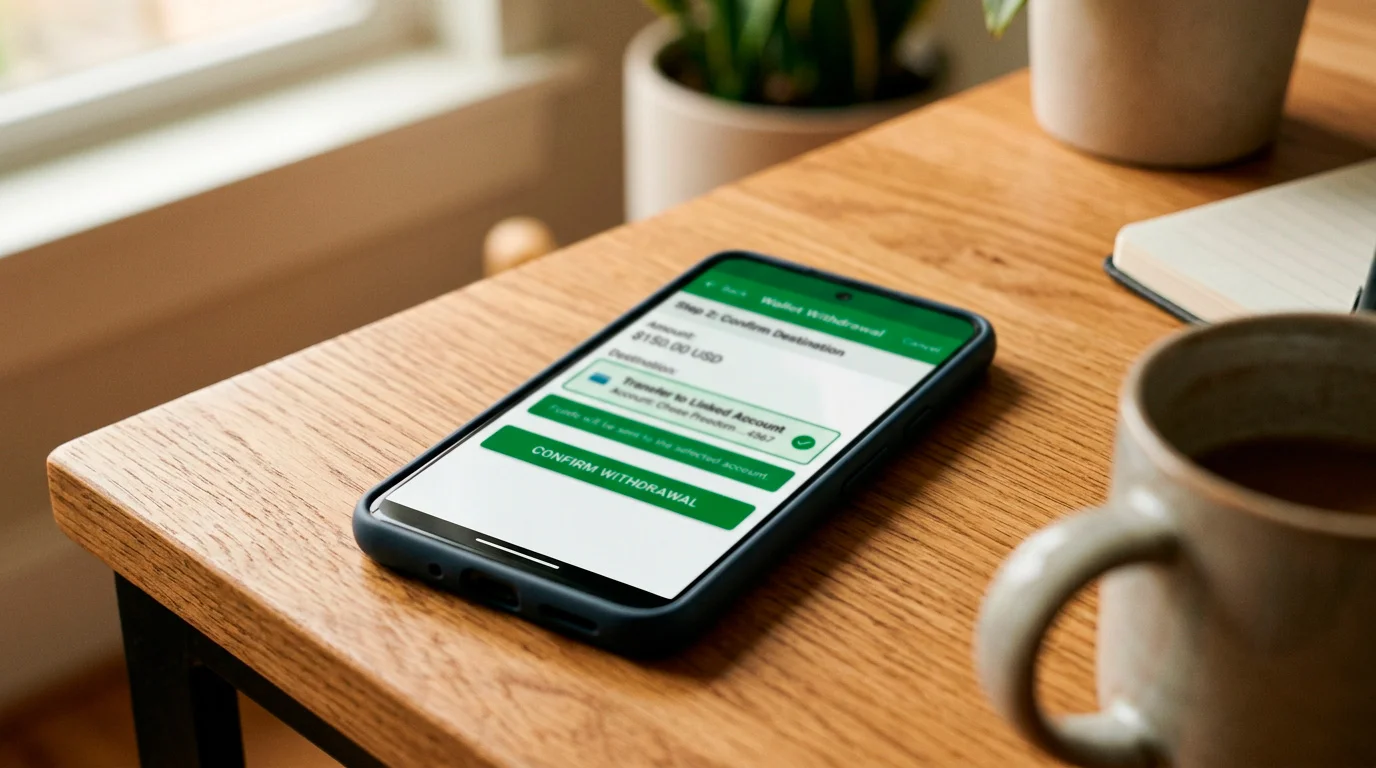
This is why a withdrawal request to a brand-new method you never deposited from tends to get bounced or flagged. The casino is not being precious — it is preserving the loop. From the player’s chair, the rule has a quiet upside too: because winnings return to the wallet you already use, there is no waiting on a new payment route to be set up and verified mid-payout. The loop is restrictive, but it is also predictable, and predictability is worth a great deal when you are waiting on money.
The Anti-Money-Laundering Reason Behind It
Strip the rule back to its purpose and it is an anti-money-laundering control, plain and simple. The whole game of laundering is breaking the link between where money came from and where it ends up — getting “dirty” money in one door and “clean” money out another. The closed loop slams that door shut by forcing the two ends to match.
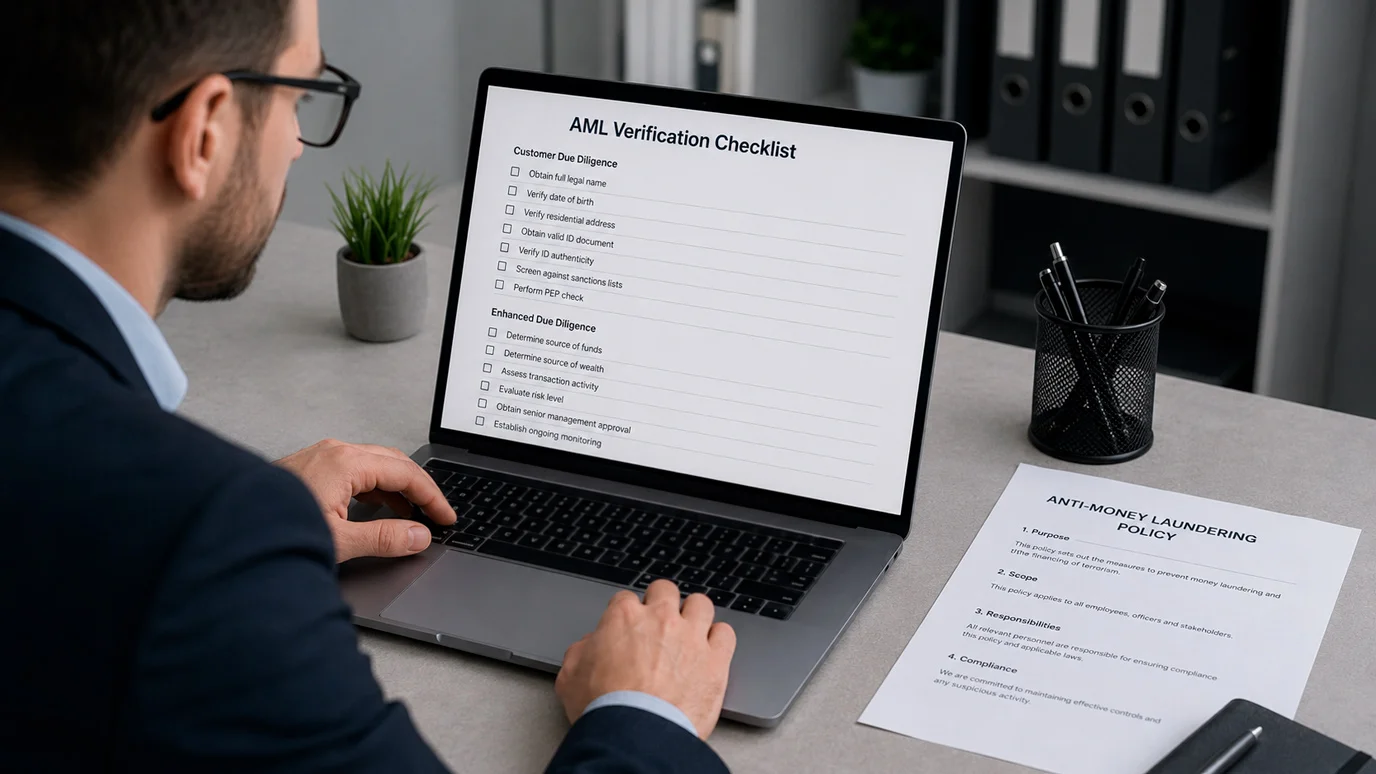
Operators are not being cautious by choice; they are bound by obligations and they pay dearly when they slip. The £650,000 ordered from NetBet Enterprises over anti-money-laundering and social-responsibility breaches is the kind of consequence that focuses a compliance department’s mind. Against that backdrop, refusing to pay winnings out to a method you never deposited from is not the casino being awkward — it is the casino refusing to become the gap a launderer needs. The same protective instinct underpins the credit-card gambling ban in force since 2020, written into licence condition 6.1.2: the system is built, layer by layer, to keep the source and use of gambling money clean and traceable.

Seen this way, the rule that frustrates you is the same rule protecting the integrity of the market you play in. A casino that paid anyone, anywhere, regardless of how they funded, would be a casino fast-tracking itself to an enforcement notice — and a less safe place to keep your money. The closed loop is friction in service of safety, and the friction is the point.
What If You No Longer Use the Wallet
The genuinely awkward scenario is the one people actually write to me about: they deposited with Payz months ago, have since stopped using the wallet, and now have winnings the closed loop wants to send back there. The rule does not care that the wallet is inconvenient for you now — it cares that the wallet is where the money came from.
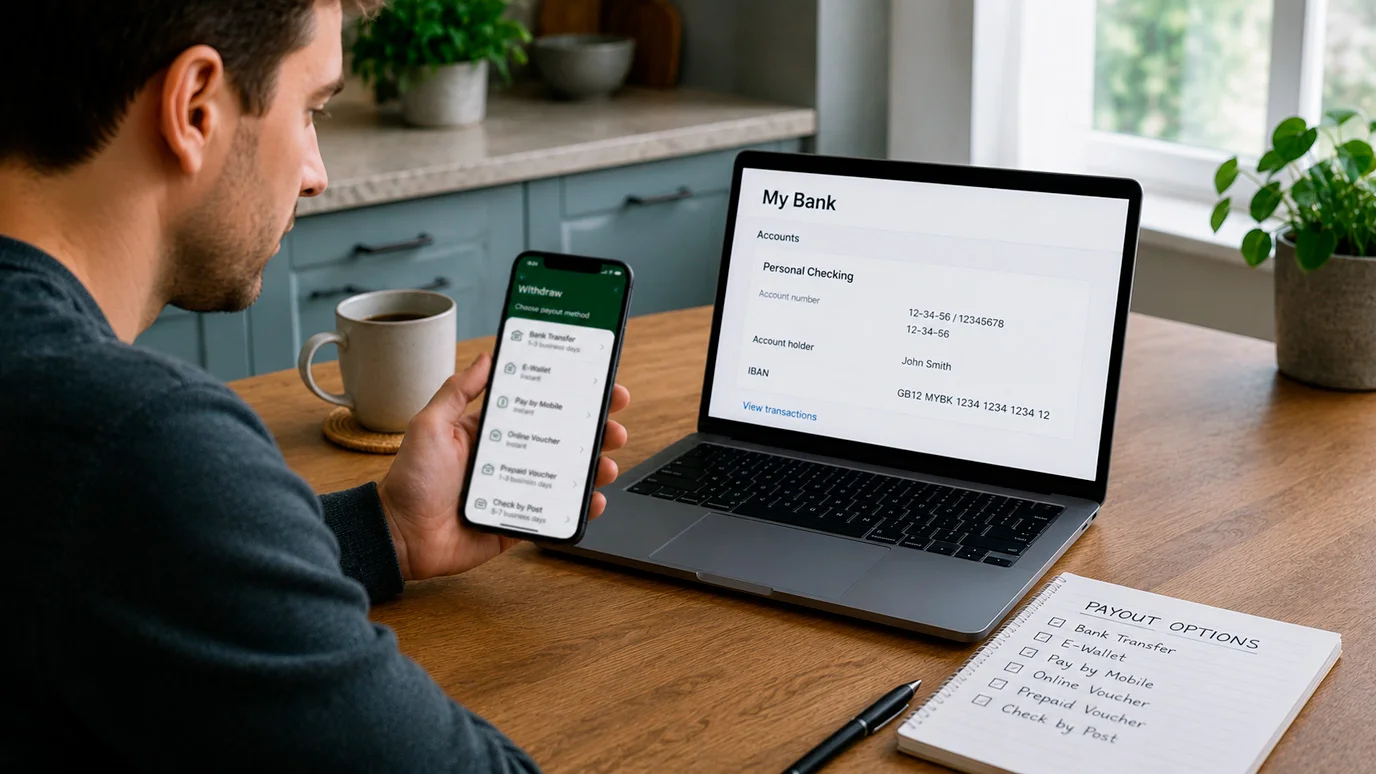
The usual answer is that winnings up to your original deposit amount return to the source method, the wallet, because that is the leg of the loop that must close. The wallet does not have to be your daily driver for this to work — it just has to still exist and be accessible to receive the funds. So the practical move is to keep the deposit wallet reachable until your winnings have come home, rather than closing or abandoning it mid-process and creating a problem the casino’s rules cannot easily solve.

Once the money is back in the wallet, getting it onward to your bank or card is a separate step entirely, and it is yours to control rather than the casino’s. That part — moving winnings off the wallet to where you actually want them — has its own timing and options, which I have walked through in the guide to ecoPayz casino withdrawals and payout times. The thing to internalise is that the closed loop governs only the casino-to-source leg. After that, the money is squarely in your hands.
Written by the editors at Vaultline.