
ecoPayz Mobile Casino App: Depositing on the Go
 Available in GB
The Payz app manages your wallet, not your casino. That distinction sounds pedantic until you realise it is the source of nearly every misunderstanding about depositing on mobile. The app makes funding a casino faster and smoother — but it does not change a single rule, limit or check. It is a better door into the same room, not a new room.
Mobile is where gambling payments now live. Mobile wallets accounted for 53% of global online transactions in 2024, which is to say the majority of digital payments already happen on a phone, and casino deposits ride that same wave. Players expect to top up between trains, on the sofa, in the few minutes before a match — and the app exists to make that frictionless. Biometric login, balance always in your pocket, top-up in a couple of taps.
But “frictionless” is precisely where I want to slow you down for a moment, because the convenience can blur an important line. A faster deposit is not a looser deposit. The same funding rules apply — credit-funded gambling is still off-limits, your tier still sets your limits, your currency still drives your fees. The app speeds up the mechanics without touching the rules. Below I will cover what the app actually does, how a mobile deposit flows, and whether trusting your gambling funds to a phone is as safe as it feels.
What the Payz App Does
Strip away the marketing and the app does three plain things: it shows you your balance, it lets you move money, and it secures access with your phone’s biometrics. That is the wallet in your pocket — the same account you would reach on a desktop, just faster to open and authenticate.
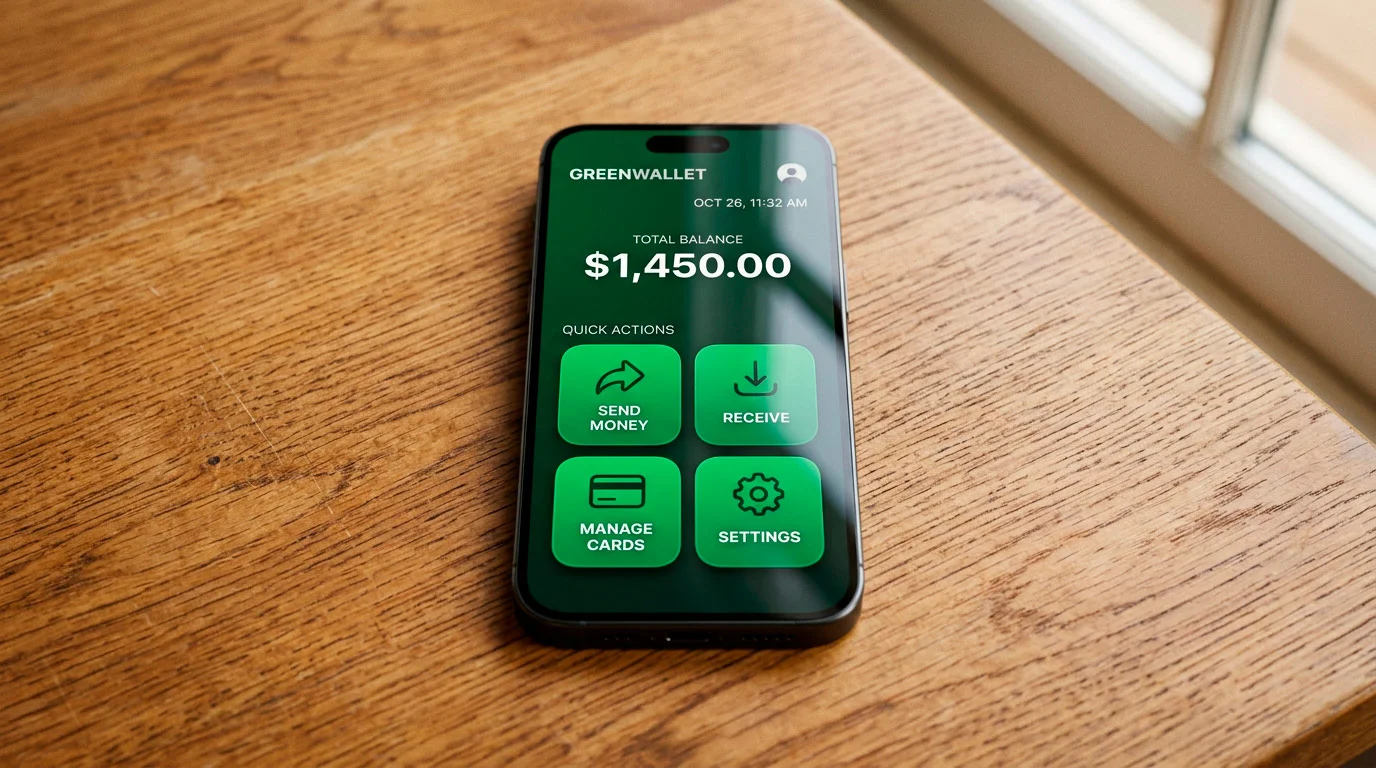
What it does not do is run the casino. When you deposit, the app is handling the wallet end of the transaction — confirming you have the funds, authorising the transfer — while the casino’s own app or mobile site handles the gambling end. The two talk to each other, but they remain separate systems. This is why the app feels instant: it is optimised for the one job of moving wallet money, and on mobile that job happens to be the bottleneck most people hit. Removing the friction of logging in on a small screen, with a fingerprint instead of a typed password, shaves real seconds off every deposit.
The context that makes this more than a convenience is the sheer dominance of mobile payments — with mobile wallets handling 53% of global online transactions in 2024, the phone is no longer the secondary device, it is the primary one. The app is built for that reality. For a casino player, the upshot is simple: the app is the fastest way to fund play, because it strips out the steps that slow a desktop deposit, while leaving every rule that governs that deposit exactly where it was.
The Mobile Deposit Flow
Picture the flow as a relay race with a clean handover. You open the casino’s mobile cashier, choose Payz, and the baton passes to the wallet app to authorise the payment; once confirmed, it passes back to the casino, which credits your balance. The whole exchange takes seconds when both ends behave.
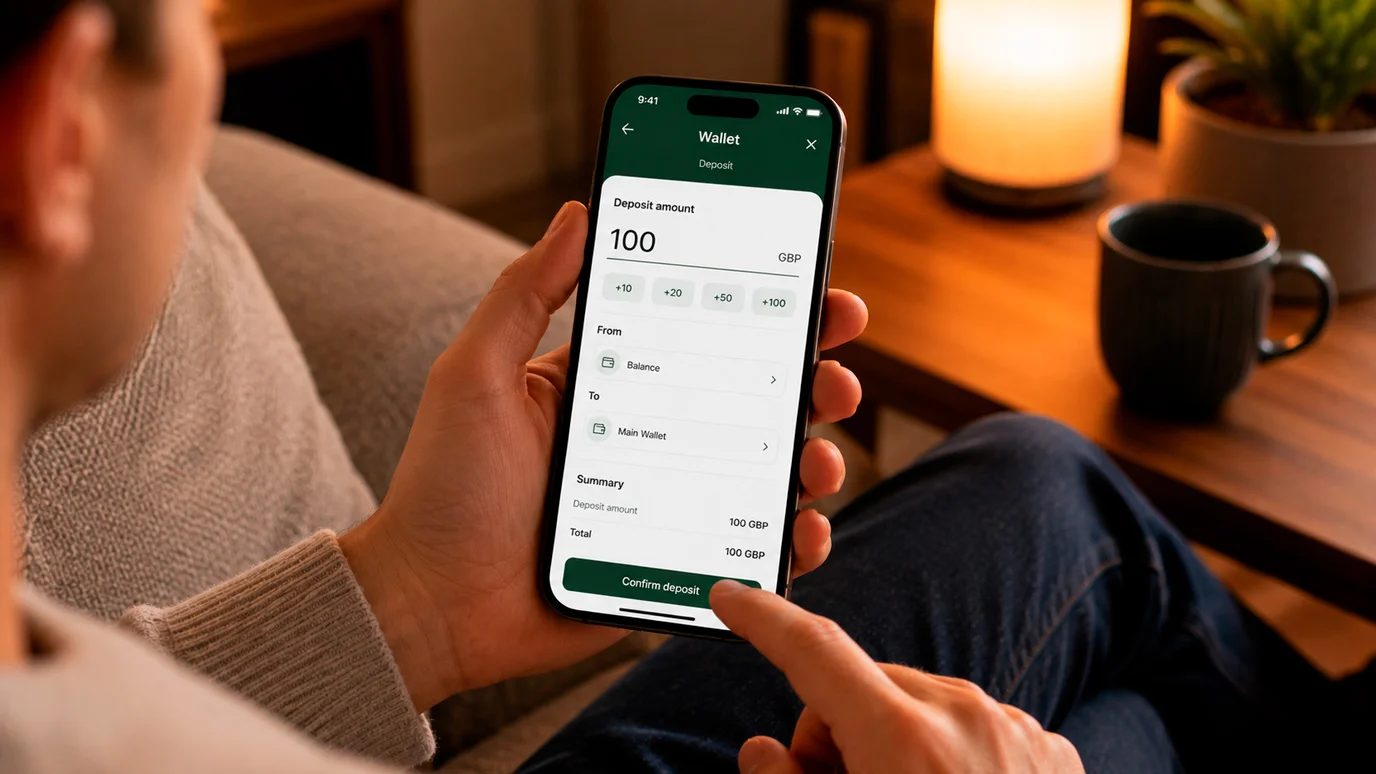
In practice it runs like this: you select the deposit method in the casino, enter the amount, and authenticate the transfer through the app — often with a fingerprint or face scan rather than a password. The wallet checks the funds are there, releases them, and the casino reflects the deposit. Because the authentication is biometric and the wallet is already logged in on your phone, the friction that slows desktop deposits — typing credentials, switching tabs — largely disappears.
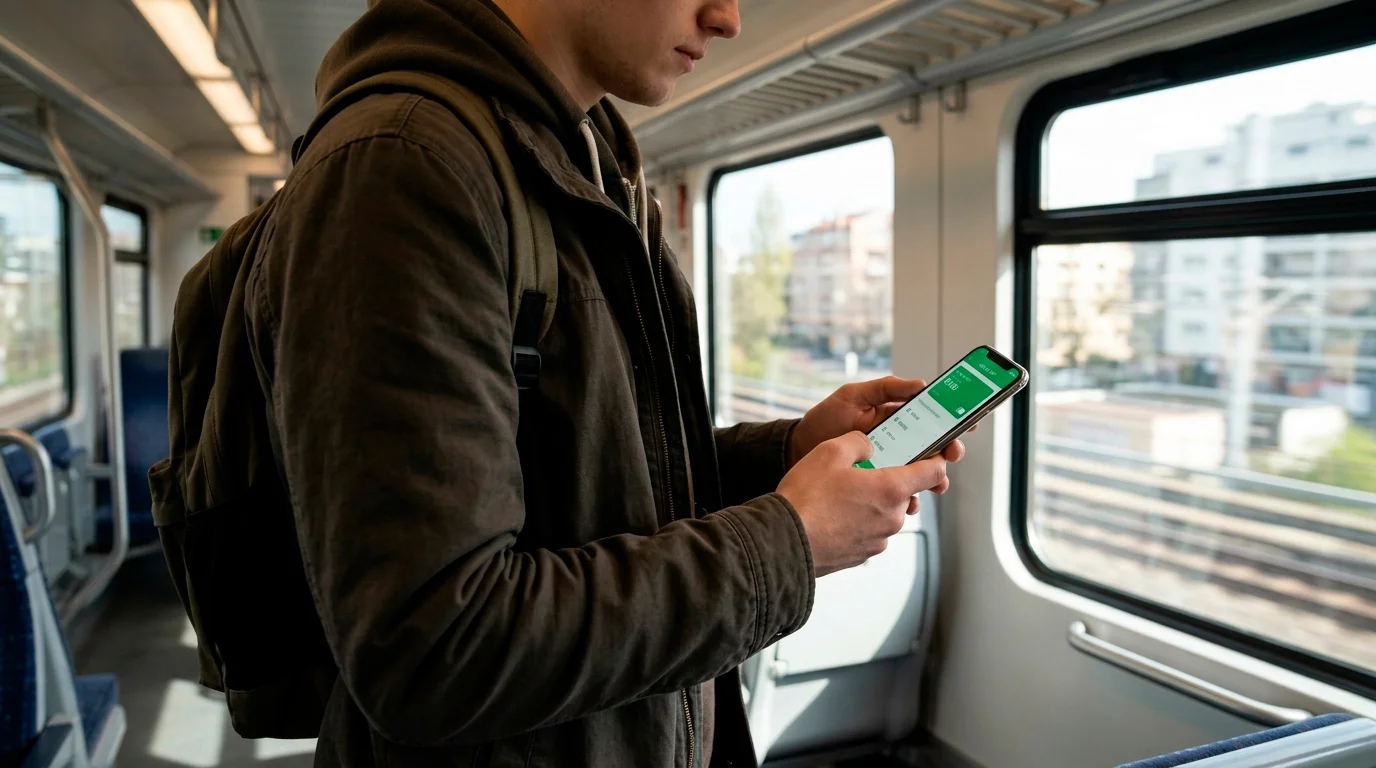
The one thing the speed cannot override is your wallet currency and funding source. If your balance is in euros and the casino takes pounds, the app converts at the wallet’s margin just as the desktop would, and a deposit funded from the wrong source is still non-compliant no matter how slickly it goes through. The app is faster, not smarter about the rules. For the deposit mechanics in full — including what to do when one stalls — the desktop and mobile journeys are the same underneath, and I have walked through both in the guide to ecoPayz casino deposits. On mobile, the flow simply finishes quicker.
How Safe Mobile Deposits Really Are
I get a flicker of hesitation from readers every time the subject turns to keeping gambling money on a phone. It feels riskier than a desktop, somehow more exposed. The reality is the opposite for most people, and it comes down to two layers of protection working together.
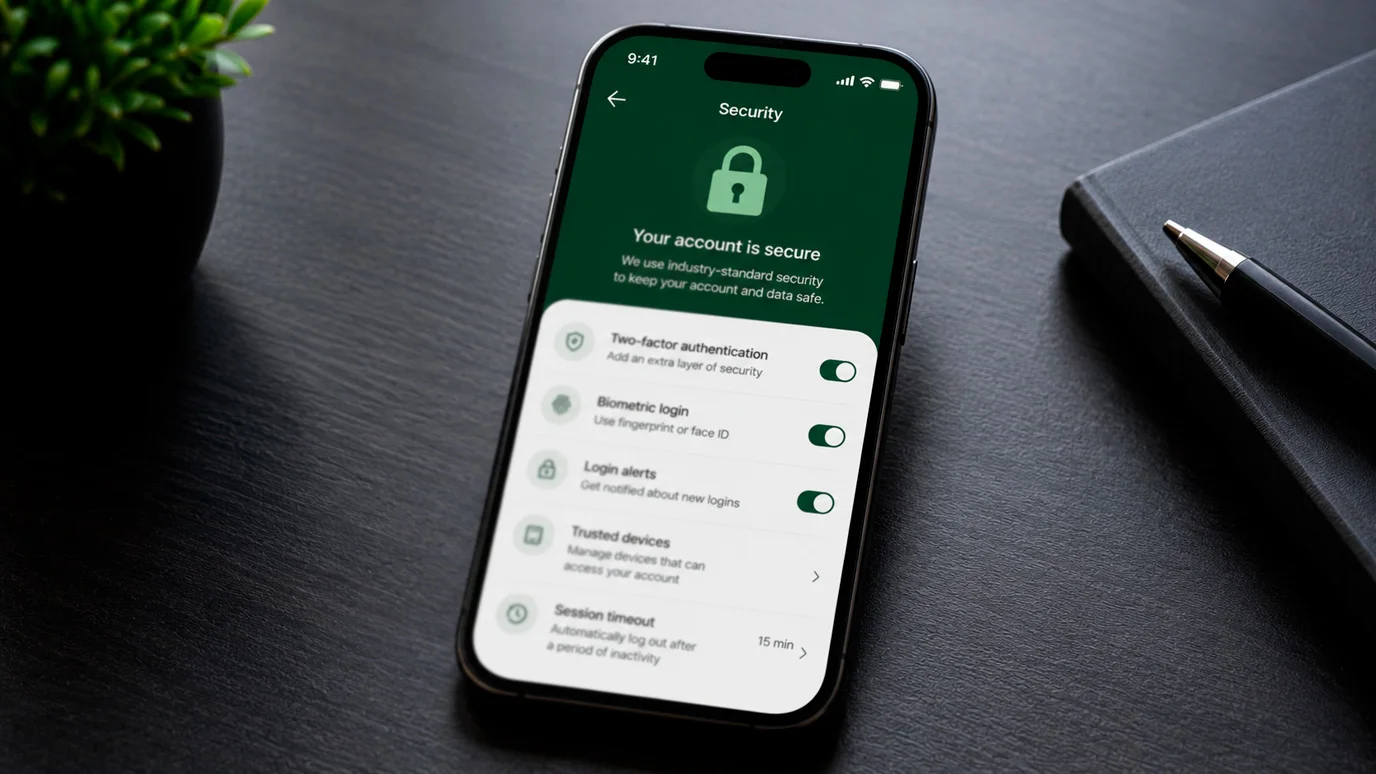
The first layer is the wallet’s regulated safeguarding of your funds. Under its FCA regime, customer money is held in ring-fenced accounts, kept legally separate and protected even if the operator itself were to fail. That protection does not weaken because you accessed the account from a phone — your balance sits under the same safeguarding whether you opened the app or a browser. The money is not less safe on mobile; it is held identically.
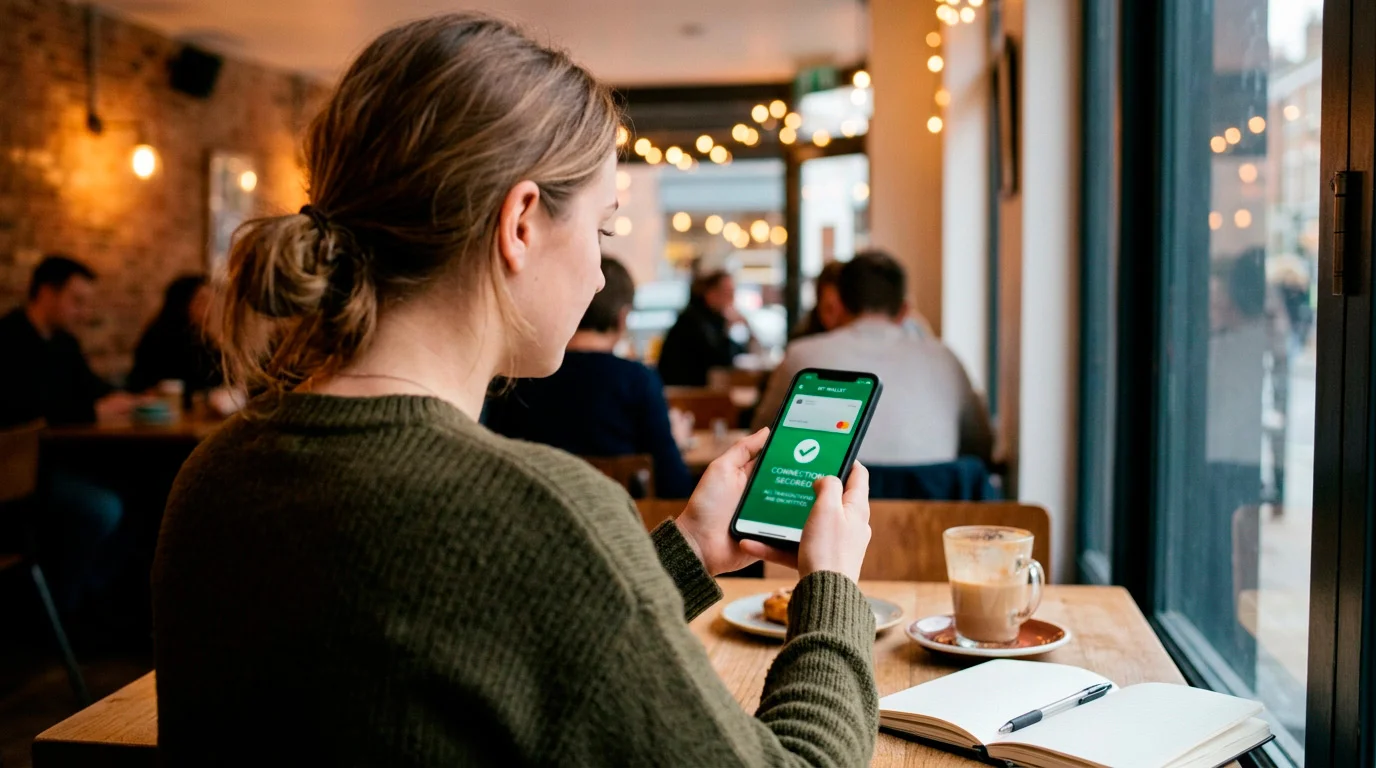
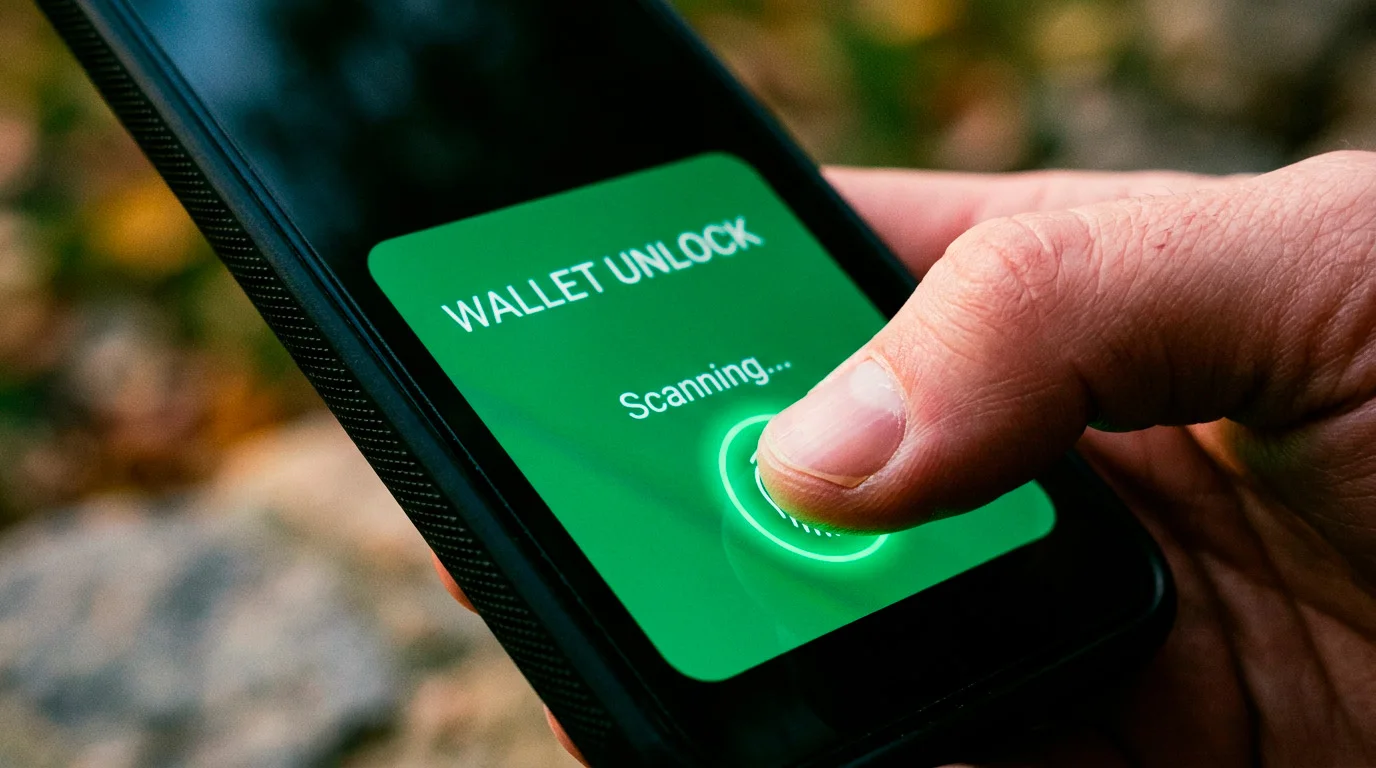
The second layer is the device security the app adds. Biometric login — your fingerprint or face — is genuinely harder to defeat than a password someone might guess or phish, which means a phone-based wallet can be more secure than a desktop login, not less. The real-world risks on mobile are the human ones: an unlocked phone left lying around, public wi-fi for sensitive transactions, a casual approach to device passcodes. Lock your phone properly, keep biometrics on, avoid topping up on networks you do not trust, and the mobile deposit is at least as safe as anything you would do on a laptop — funds safeguarded by regulation, access guarded by your fingerprint.
Created by the "Vaultline" editorial team.