
Can You Fund an ecoPayz Wallet With a Credit Card to Gamble in the UK?
 Available in GB
No. And the reason it is a flat no, rather than a “technically maybe,” is the bit almost everyone gets wrong. The rule people imagine is “you cannot use a credit card at a casino cashier.” The actual rule is broader: you cannot use credit to fund gambling at all, and that reaches straight through an e-wallet like ecoPayz, now Payz. Topping up your wallet with a credit card and then sending that money to a casino does not sidestep the ban. It is exactly the thing the ban was written to stop.
I see the “wallet loophole” idea floated constantly — the assumption that because the casino only sees a Payz deposit, not your card, you have laundered the funding source clean. You have not. The credit card ban for gambling in Great Britain has been in force since 14 April 2020, and it explicitly extends to e-wallets under the Gambling Commission’s licence conditions. An operator is allowed to accept Payz, Skrill or Neteller from you only if it has reasonable confidence the wallet was not topped up with credit. So the chain of money matters, not just the last hop into the casino.
This article is the careful version of that answer: where the ban came from, why it follows the money into your wallet rather than stopping at the cashier, and what you can legitimately use to fund a wallet you intend to gamble with. None of it is meant to scare you off Payz, which is a perfectly normal way to pay. It is meant to stop you building a funding habit that a UK-licensed casino will eventually unwind, sometimes after you have already won.
The Credit Card Ban That Started in April 2020
Picture the regulator’s reasoning in one statistic and you understand the whole policy: among online players who funded gambling with credit cards, roughly 22% were classified as problem gamblers. That is not a rounding error. That is more than one in five, and it is the number that made a ban inevitable.

The prohibition took effect on 14 April 2020, and the regulator’s then chief executive Neil McArthur put the logic plainly when he said credit card gambling “can lead to significant financial harm.” The harm he meant is specific and grim — betting with money you do not have, watching debt compound on top of losses, and chasing both at once. The ban removed the most direct route to that spiral by cutting credit out of the gambling payment chain entirely.
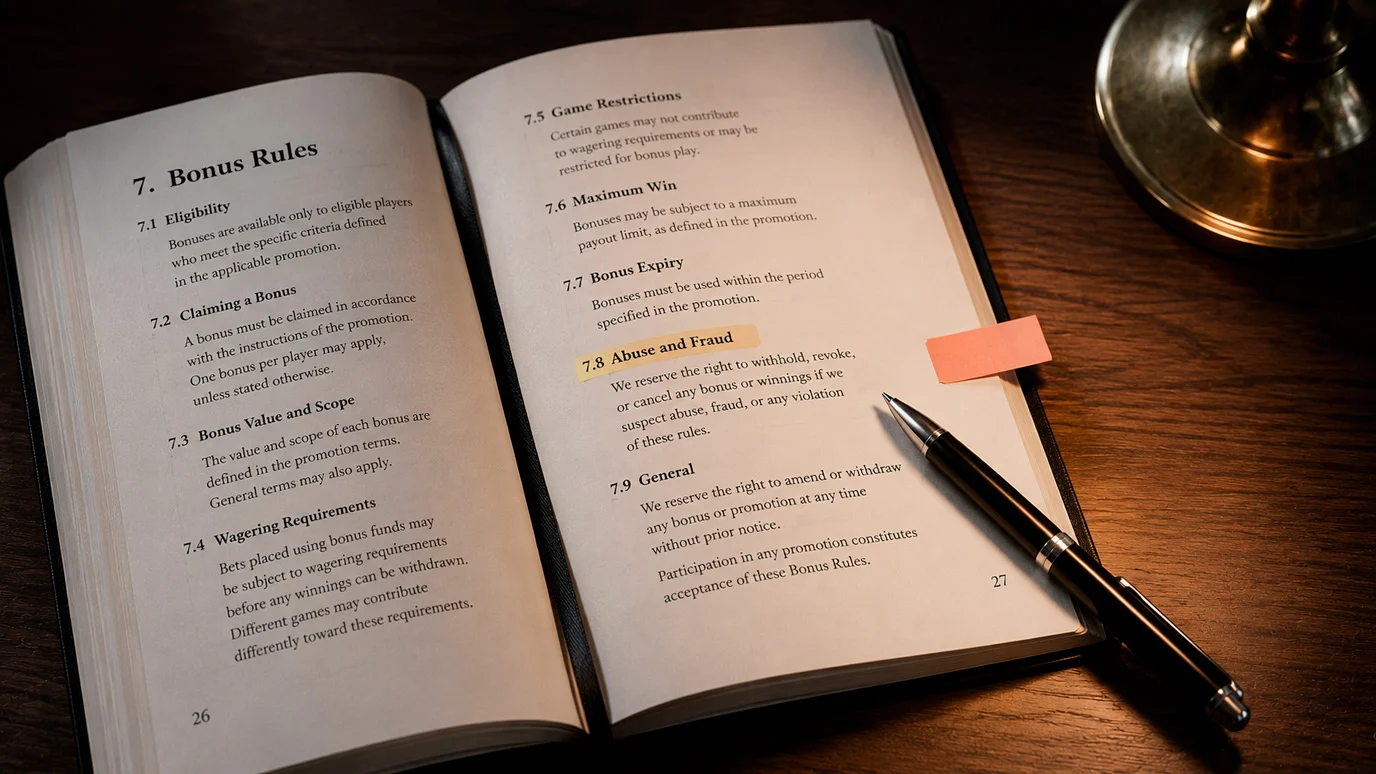
What is easy to forget is how the rule is written. It sits in the Licence Conditions and Codes of Practice as condition 6.1.2, and it does not say “no credit cards in cashiers.” It says licensed operators must not accept payment for gambling from a credit card, directly or indirectly. That word “indirectly” is the whole game. It is the regulator anticipating exactly the move players would try next — routing credit through something else first — and closing it before it opened. Debit cards, bank transfers and wallets funded from non-credit sources stayed allowed. Credit, by any path, did not.
How a Card Ban Reaches Into Your E-Wallet
Here is the mental model that clears up the confusion. Imagine you pour red dye into a glass of water and then pour that water into a clear jug. The water in the jug looks clearer, but it is still dyed. Funding a Payz wallet with a credit card and then depositing from the wallet works the same way: the casino sees a “clean” Payz transfer, but the underlying money is still credit, and the rule treats it as credit.

Because the ban covers gambling funded by credit “directly or indirectly,” an operator cannot lawfully accept a Payz deposit if it knows or has reason to believe the wallet behind it was topped up on a credit card. In practice that puts an obligation on both ends of the chain. The wallet provider has its own anti-money-laundering and source-of-funds duties, and the casino has its licence conditions to protect. Neither is supposed to wave through credit-funded gambling just because there is an extra step in the middle.

So does the casino actually see how you funded your wallet? Usually not at the moment of deposit — and that is precisely why people assume the loophole works. But “they cannot see it tonight” is not the same as “it is allowed.” Source-of-funds checks, which kick in routinely before larger withdrawals and during anti-money-laundering reviews, can ask exactly that question. If a review establishes that gambling money traced back to a credit card, the player is the one left explaining it, and that conversation tends to happen at the worst possible time: when a withdrawal is sitting in pending and the casino wants to verify before it pays. The funding source you chose weeks ago becomes the reason your payout is frozen now.
What You Can Use to Fund a Wallet Instead
The good news is that the legitimate options are the boring, obvious ones, and they work without drama. A debit card is the cleanest way to top up a Payz wallet you plan to gamble with, because debit draws on money you already hold rather than credit you are borrowing. Bank transfer into the wallet works the same way. Both keep your funding chain entirely outside the prohibition, which means no awkward source-of-funds surprise later.
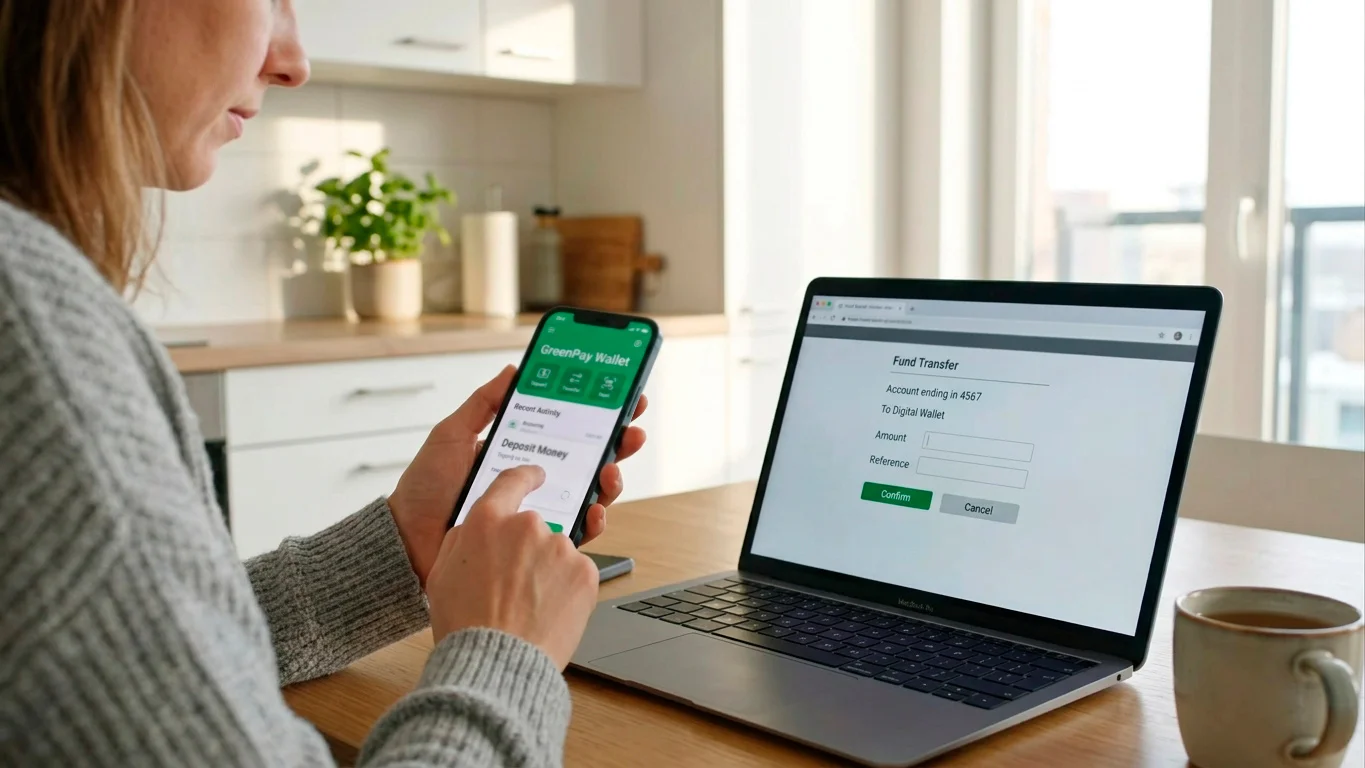
The principle to carry around is simpler than the regulation that creates it: every pound you intend to gamble should originate from money you actually have, not money you are borrowing. Fund the wallet from a debit card or your bank, keep the credit card out of the gambling side of your finances entirely, and the whole question disappears. Once the wallet is funded cleanly, the deposit itself is the easy part — I walk through that end to end in the step-by-step guide to ecoPayz casino deposits. The wallet is a fast, private way to pay. It is only the credit-shaped shortcut into it that the UK rules shut down, and shut down deliberately.
Created by the "Vaultline" editorial team.