
Who Owns Payz: The Company Behind the Wallet
 Available in GB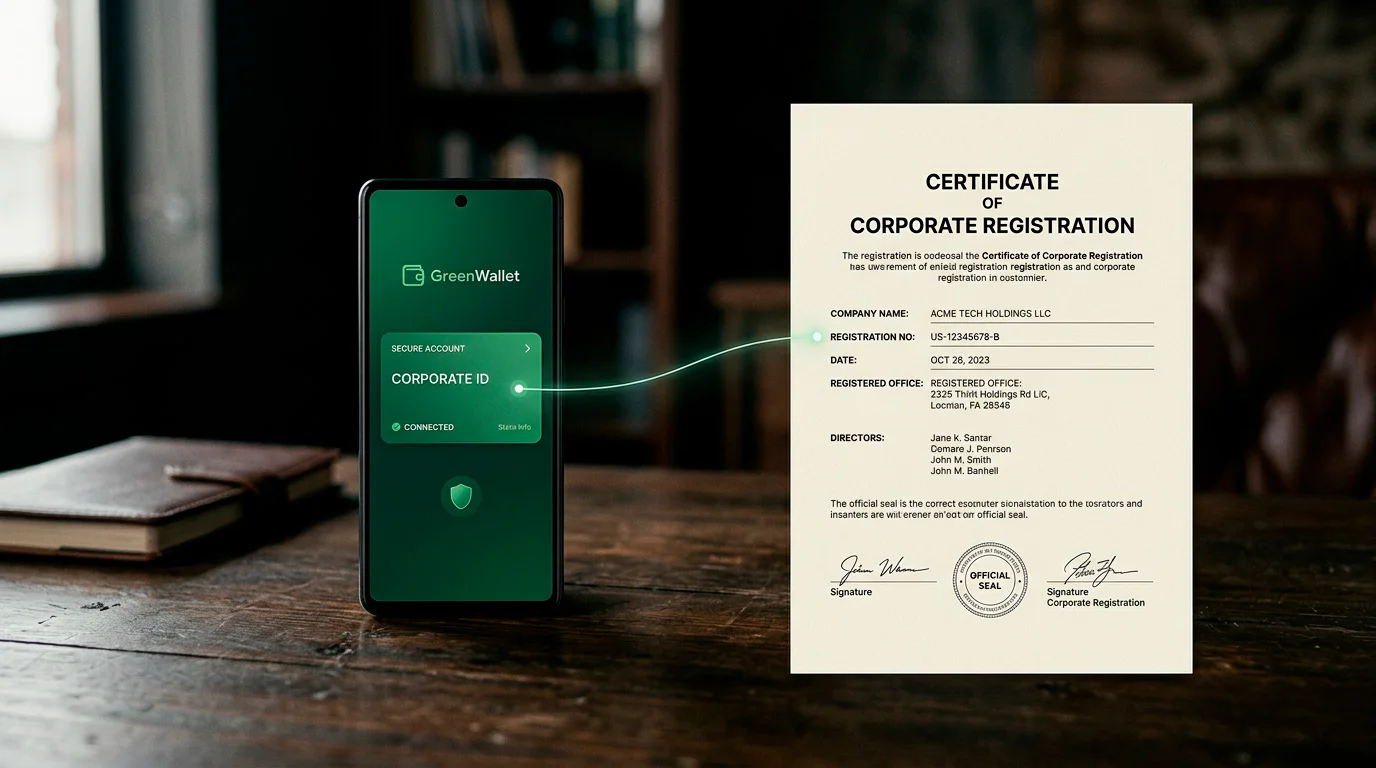
When the ecoPayz name changed to Payz in 2023, my inbox filled with the same nervous question phrased a dozen ways: is this still the same company, or did something change hands? It is a fair worry. We are trained to read a rebrand as a sign that ownership shifted, that the firm was sold, that the thing we trusted is now run by someone else.
In this case the answer is reassuringly dull. The name changed; the company did not. The wallet you may have known as ecoPayz and the wallet now called Payz are run by the same legal entity, regulated by the same authority, holding your money under the same rules. Knowing exactly who that entity is matters more than the brand on the front, because the company behind a wallet is what determines whether your balance is safe.
So I want to put the corporate facts plainly, the way I would want them put to me before trusting a wallet with real money. Who the operator is, what authorises it, and why the rebrand changed nothing about the safety of your funds. This is the unglamorous due diligence that separates a wallet you can rely on from one you are merely hoping about.
The Company on the Paperwork
Let me name the entity, because everything else hangs off it. The wallet is operated by PSI-Pay Ltd, a company registered in England and Wales under company number 05899168, based in Horsham, West Sussex. That is not a brand or a trading name floating free of any real organisation — it is a specific, registered British company you can look up.

What gives that name weight is its authorisation. PSI-Pay Ltd is regulated by the Financial Conduct Authority under registration number 900011, and it has been recognised as a safe payments provider since 2008. It has held a Mastercard partnership since 2009, which is how it issues the prepaid cards that draw on a wallet balance. None of that is decoration. An FCA registration number is a thread you can pull to confirm the firm is supervised, that it answers to a regulator, and that it operates under rules designed to protect the people whose money it holds. A wallet without that thread is a wallet asking for blind trust.
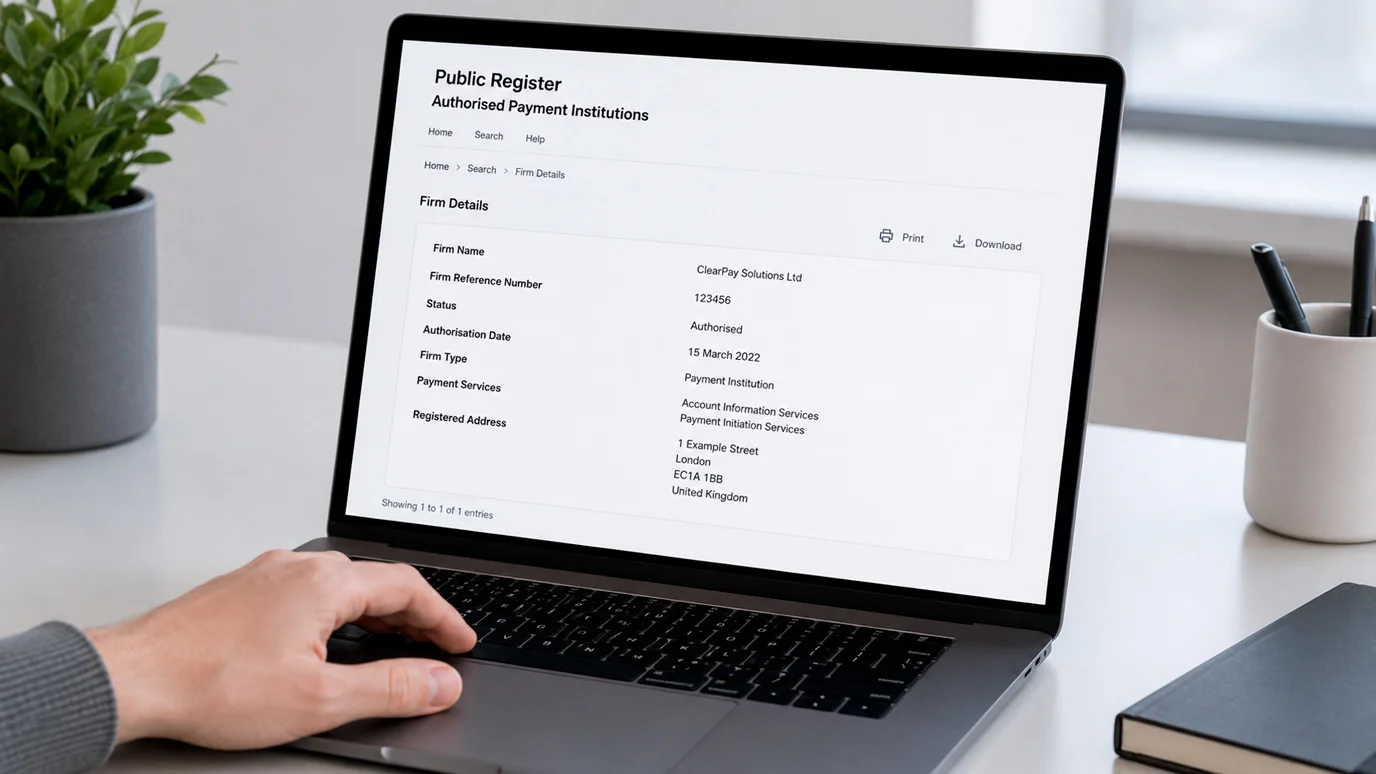
This is the layer most players never check and absolutely should. The brand on the app is marketing; the company on the FCA register is accountability. When I assess any wallet, the registered entity and its regulatory status are the first things I look for, because they are what stand behind every promise the marketing makes.
Why the Rebrand Changed Nothing That Mattered
Here is the reassurance the nervous emailers were really after. On 11 May 2023, ecoPayz became Payz — and that was a change of name, not a change of owner, regulator or rules. Accounts and balances migrated automatically, so existing users woke up with the same money in the same place under a new label.
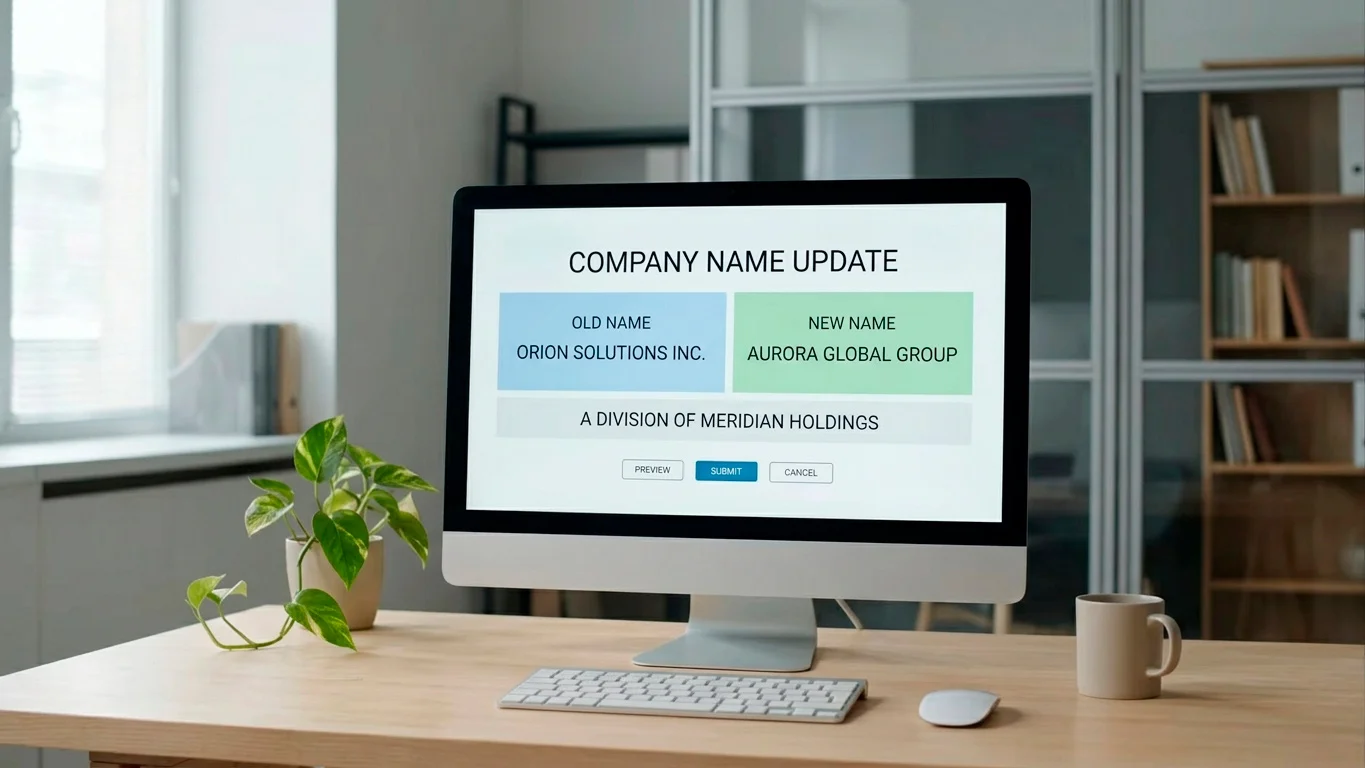
The continuity is the whole point. The operator remained PSI-Pay Ltd, the FCA authorisation remained registration number 900011, and the protections attached to your funds remained exactly as before. A rebrand of this kind is a marketing decision about how a product presents itself, not a transfer of the business to new hands. So a player who trusted ecoPayz had no reason to withdraw that trust from Payz, because the thing they were actually trusting — the regulated company holding the money — never moved. The name on the door changed; the people in the building, and the rules they follow, did not.

I labour this because rebrands genuinely do sometimes mask ownership changes, and a cautious player is right to check. The way to check is exactly what we just did: confirm the operating entity and its regulator before and after. When both are unchanged, as they were here, the rebrand is cosmetic and your money sits precisely where it did. When either changes, that is when the questions should start.
What the Corporate Backing Means for Your Balance
All of this corporate detail only matters because of what it does for the money in your account, which is the part players actually care about. The headline is that your balance is not just sitting in the company’s general coffers waiting to be spent on the firm’s own bills.

Under the FCA’s safeguarding requirements, customer funds are held in ring-fenced accounts kept legally separate from PSI-Pay’s own money. That separation is what protects your balance even in the event of the company’s insolvency — if the firm failed, your funds would not be treated as part of its assets to be carved up among creditors, because they were never legally the company’s to begin with. This is the practical payoff of choosing a wallet run by an authorised, supervised entity rather than an unregulated one: the regulation is not an abstract badge but a concrete wall around your cash. It is also the foundation for the wider safety case, which I set out in full in the piece on whether ecoPayz is safe for gambling.
So the chain runs cleanly from corporate fact to personal reassurance. A named British company, supervised by the FCA, holding your funds in ring-fenced safeguarding accounts, under rules that survived a rebrand untouched. That is what “who owns Payz” actually buys you — not a logo, but a structure that keeps your money yours.
Published by the Vaultline team.