
Is ecoPayz Anonymous at Casinos: Separating Privacy From Secrecy
 Available in GB
There is a persistent myth that paying with an e-wallet lets you gamble anonymously, and I would rather puncture it now than have you discover otherwise during a withdrawal. The idea seems plausible: the wallet sits between you and the casino, so surely it hides who you are. It is one of the most common misunderstandings I run into, and it can get players into real trouble.
The wallet does hide something, but not your identity. What it offers is privacy from your bank statement, not secrecy from the regulated system. Those are two completely different things, and conflating them is how people end up either disappointed or, worse, assuming they can sidestep checks they cannot. Payz is a fully regulated financial product, not a cloak.
So let me draw the line cleanly, because it is the single most important thing to understand about wallets and identity. Payz gives you a layer of separation that keeps gambling off your main bank statement. It does not, and cannot, make you anonymous to the casino, the wallet provider or the regulator. Below I will explain the real privacy benefit, the verification reality underneath it, and why the secrecy version of the story was never true.
The Privacy That Is Real
Start with what the wallet genuinely delivers, because it is worth having and players undervalue it. When you fund a casino through Payz, your main bank statement records a transfer to the wallet — not a line-by-line history of casino deposits under a gambling merchant’s name. That is real, useful privacy.
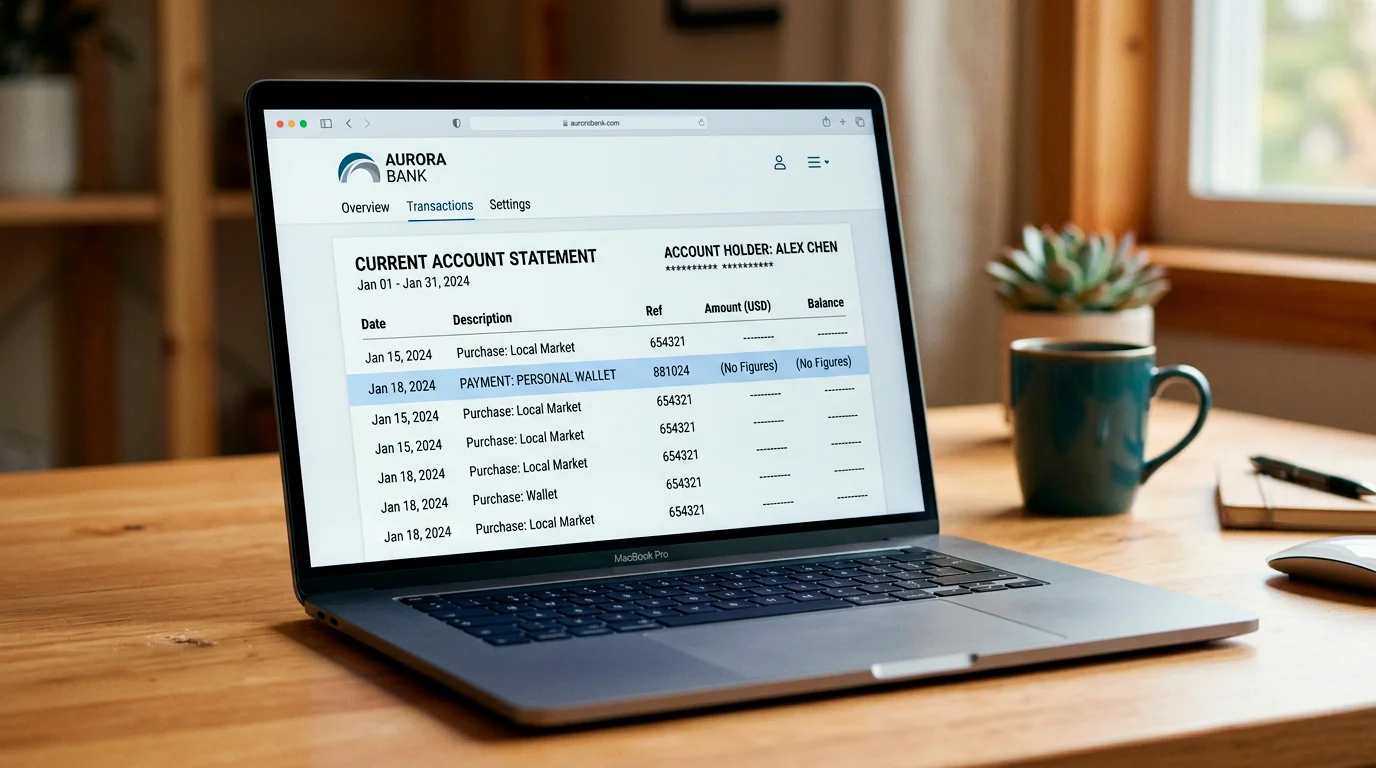
It matters more than it sounds. A bank statement gets seen — by a mortgage adviser, a joint account holder, a lender assessing affordability — and a column of gambling transactions can invite questions or judgements you would rather not field. Routing through the wallet collapses all of that into a single neutral transfer line, keeping the detail of your play between you and the wallet rather than splashed across the document your bank shows the world. This is the same separation benefit that draws so many players to e-wallets in the first place; a clear majority, around 68% in one Paysafe study, prefer paying by wallet over card, and statement privacy is part of why. The wallet is a curtain over your banking footprint. That is genuine and that is the point.
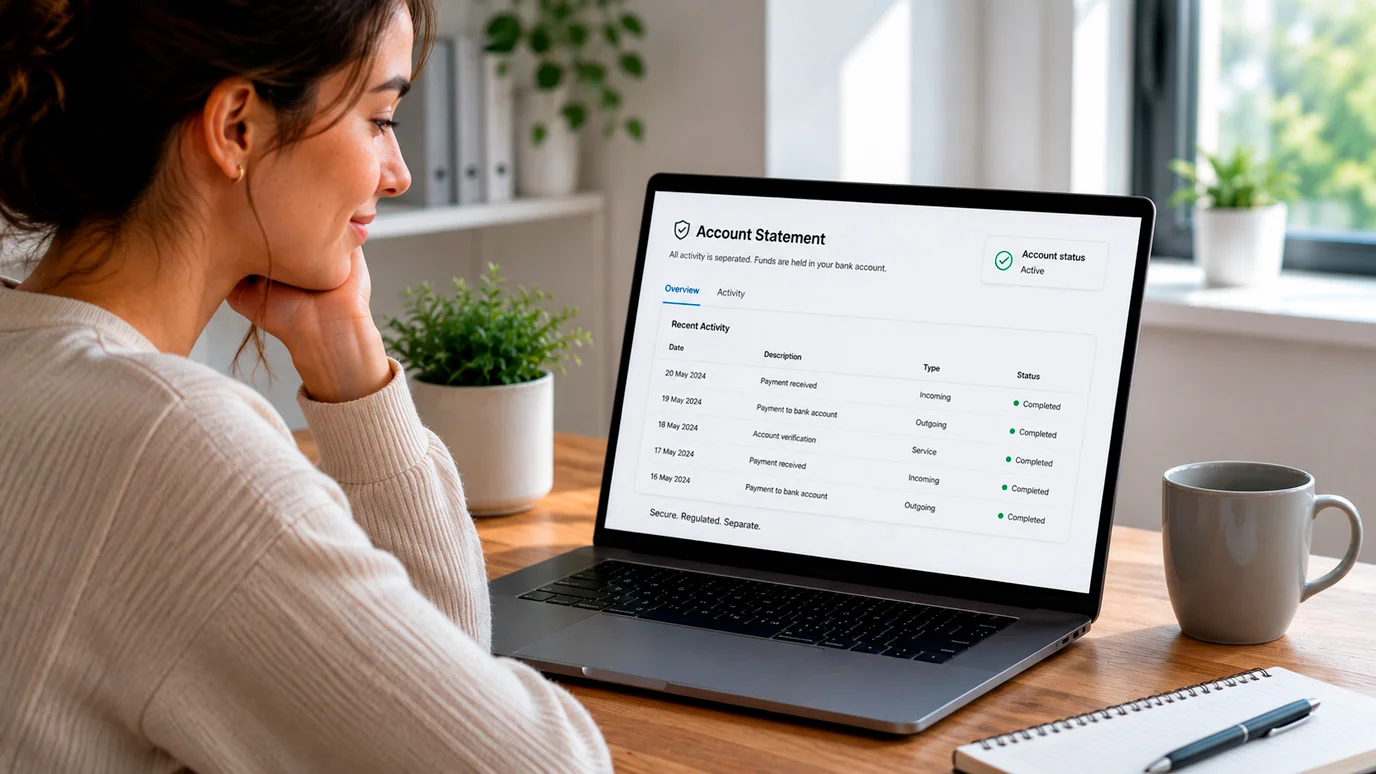
But notice exactly what that curtain covers. It hides the activity from your bank statement. It does not hide you from the casino you are playing at, the wallet that is moving your money, or the regulator overseeing both. Privacy of footprint is not the same as anonymity of identity, and the gap between those two is where the myth lives.
The Verification Reality Underneath
Now the part the anonymity myth conveniently ignores. To open and use a Payz account at any meaningful level, you have to verify your identity — and the casino has to do the same. There is no version of regulated UK gambling, through any payment method, where you remain unknown to the people handling your money.
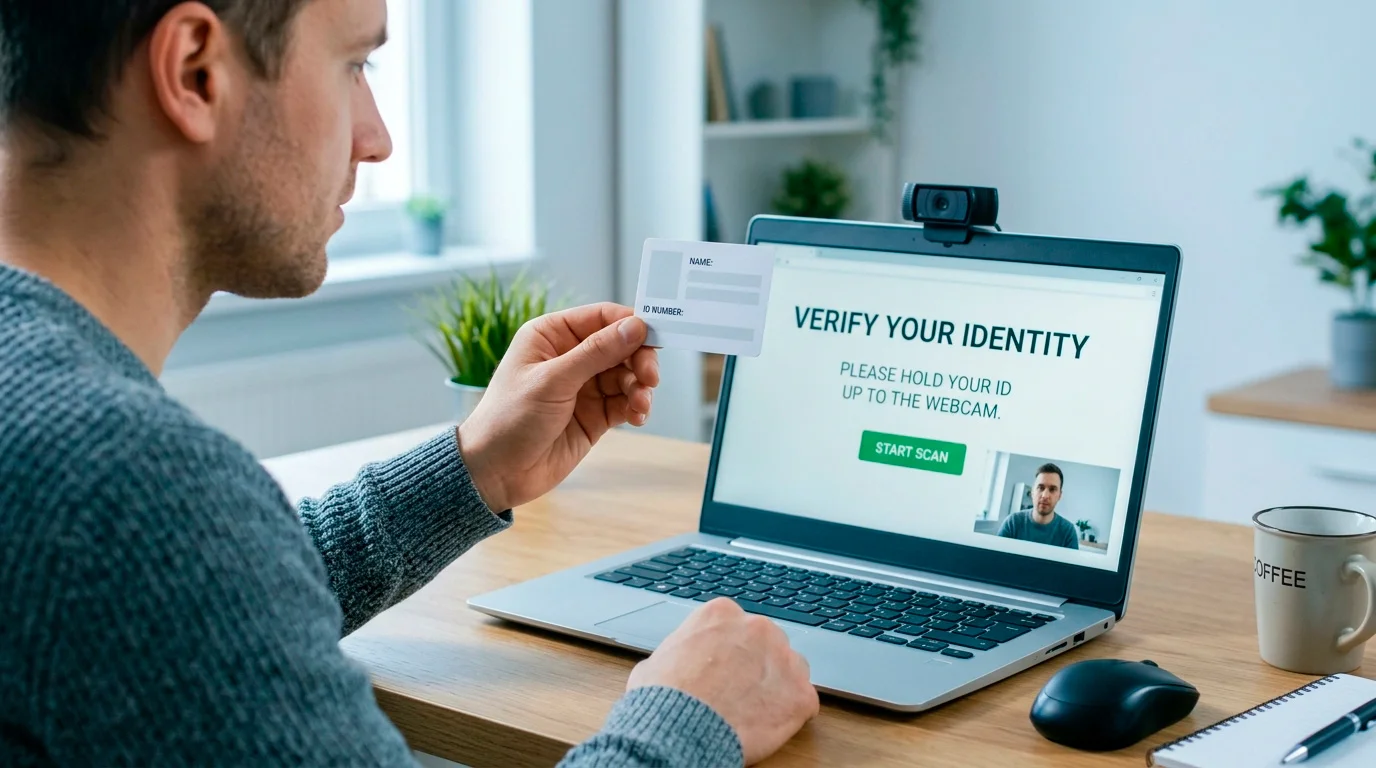
This is by design and it is not negotiable. PSI-Pay Ltd, which runs the wallet, is authorised by the FCA under registration number 900011, and that authorisation comes bundled with anti-money-laundering and know-your-customer obligations. The wallet’s own tier system is essentially a verification ladder — the more you verify, the higher your limits — which means using the wallet seriously requires identifying yourself, not concealing yourself. The casino, equally bound by its licence, runs its own identity and source-of-funds checks. So at every link in the chain, your identity is known to a regulated party. The wallet sits between you and the casino, but both ends of it know exactly who you are. The enforcement environment is real, too — operators have faced penalties running to hundreds of thousands of pounds for failures in anti-money-laundering and social-responsibility controls, which is why none of them treat identity checks as optional.
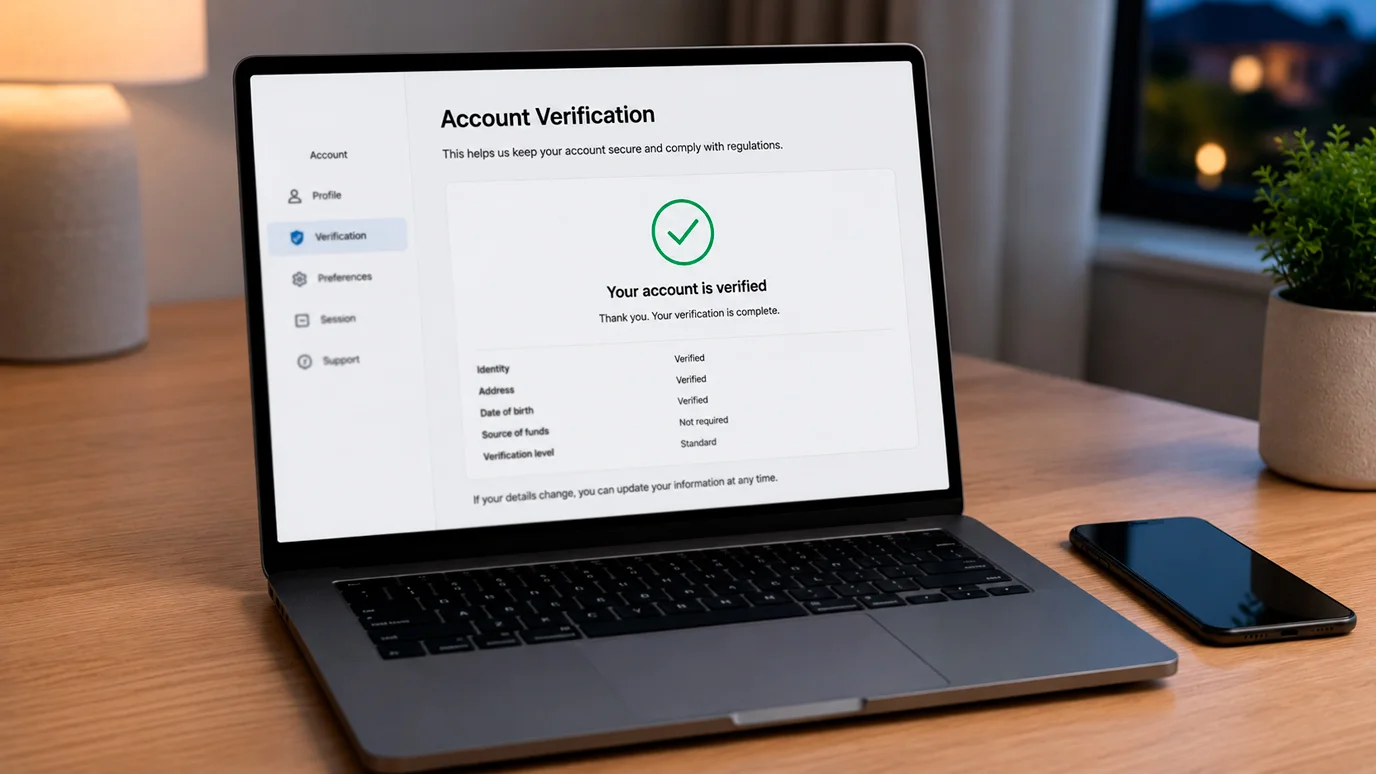
That is the reality that turns the anonymity story to dust. A wallet that demands verification to function, run by an FCA-authorised firm with legal duties to know its customers, is structurally incapable of making you anonymous. It was never built to. It was built to be a safe, regulated way to pay — and safe and regulated are precisely the qualities that rule anonymity out.
Why the Secrecy Version Was Never True
It is worth asking where the myth even came from, because understanding that protects you from its more dangerous cousins. The anonymity story grew out of the genuine statement-privacy benefit, stretched past breaking point by wishful thinking and by people who wanted gambling to be untraceable for reasons that rarely end well.

The honest position is that wanting privacy from your bank statement is reasonable and well served by a wallet, while wanting to be untraceable to the regulated system is neither achievable here nor advisable. The same verification that rules out anonymity is what protects you — it is what keeps funds in ring-fenced safeguarding accounts, what lets a dispute be resolved, what makes the wallet a supervised institution rather than a black box. Anonymity and protection are a trade, and the regulated wallet sits firmly on the protection side. If you understand how that identity layer actually works in practice, the rest of the wallet makes far more sense, which is why it pairs naturally with understanding whether ecoPayz is the same as Payz and how the single regulated product behind both names operates.
So keep the two ideas apart and you will never be caught out. Use the wallet for the real privacy it offers — a clean bank statement and a separated budget — and never on the assumption that it hides you from anyone who matters. The curtain is over your statement, not over you. Expecting more than that is the one mistake this product reliably punishes.
Written by the editors at Vaultline.