
ecoPayz vs Debit Card at UK Casinos: The Layer Most Players Skip
 Available in GB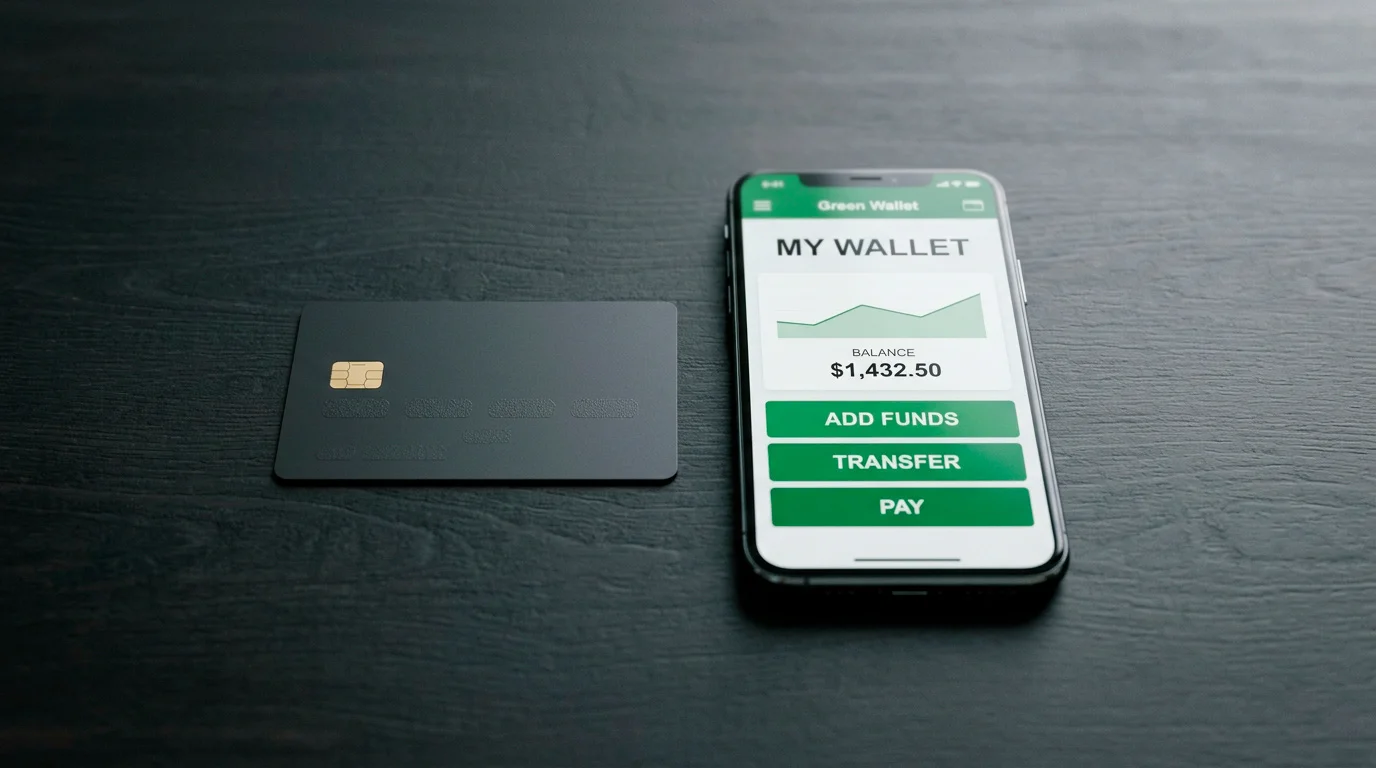
Most UK players already have a debit card saved at their casino, so the obvious question is why bother with a wallet at all. The card works, it is instant, the bank already knows what it is for. Adding Payz to the mix looks like a step that earns you nothing but an extra login. I understand the scepticism — for plenty of people the card genuinely is enough.
But the comparison is not really card versus wallet as two interchangeable doors to the same cashier. It is about what sits between your bank and the casino, and whether you want a buffer there or not. A debit card connects your current account straight to the operator. A wallet inserts a layer in between — and that layer is either pointless overhead or the whole point, depending on how you gamble.
So I want to lay out what each route actually does to your money and your statement, rather than declaring a winner. The card wins on simplicity and speed of setup. The wallet wins on separation, control and a cleaner banking footprint. Which of those matters more is a question about you, not about the payment rails — and by the end you should know which camp you fall into.
The Debit Card’s Genuine Advantages
Let me be fair to the card first, because the wallet crowd tends to skip this part. A debit card is the most frictionless way to fund a UK casino account: no extra registration, no second balance to top up, money moving straight from your current account in real time. For a casual player depositing modest amounts, that simplicity is hard to beat.

It is also the route the regulators have specifically protected. The credit card ban that took effect on 14 April 2020 left debit cards untouched, precisely because spending money you already hold is treated very differently from gambling on borrowed funds. So a debit card keeps you firmly inside the safer half of that regulatory line by design — you cannot spend what is not in the account. For a lot of players that is a feature, not a limitation: the card is a natural cap on the night.
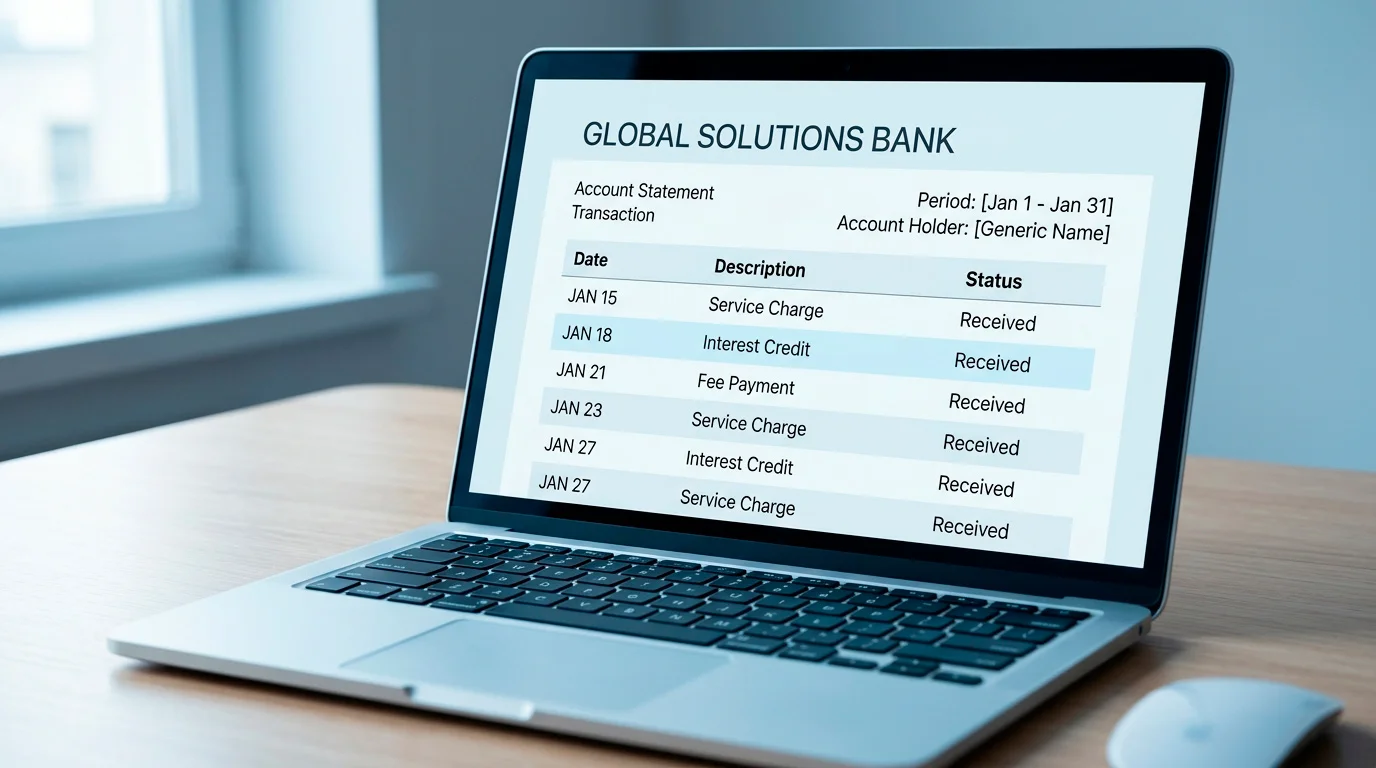
The card’s weakness is the flip side of its strength. Because it links your current account directly to the operator, every deposit and every withdrawal lands on your main bank statement under a gambling merchant’s name, and the money mingles with your rent, salary and groceries in a single pot. That is fine until it isn’t — and the moment it stops being fine is usually the moment players start looking at a wallet.
Best casino sites in the UK
- BeOnBetBonus: 100% up to €500 + 100 FS · Payout speed: 1-3 business days
- EvoSpinBonus: 125% up to €2500 + 125 Free Spins · Payout speed: 1-3 business days
- BritsinoBonus: Welcome Package – Get your £2,200 + 2,000 FS · Payout speed: 1-3 business days
- Revery PlayBonus: 100% up to€1,000+ 100 FS · Payout speed: 1-3 business days
- SlotoSportBonus: 500% up to £ 10 200+ 777 FS · Payout speed: 1-3 business days
- ZombillionBonus: Welcome Pack 250% up to £4000 + 200 FS · Payout speed: 1-3 business days
What the Wallet Layer Actually Buys You
Here is the part the card cannot replicate at any price: distance. A Payz balance is a deliberate gap between your bank and the casino, and that gap is the entire value proposition. You fund the wallet, and the wallet funds the casino — your current account never speaks to the operator directly.
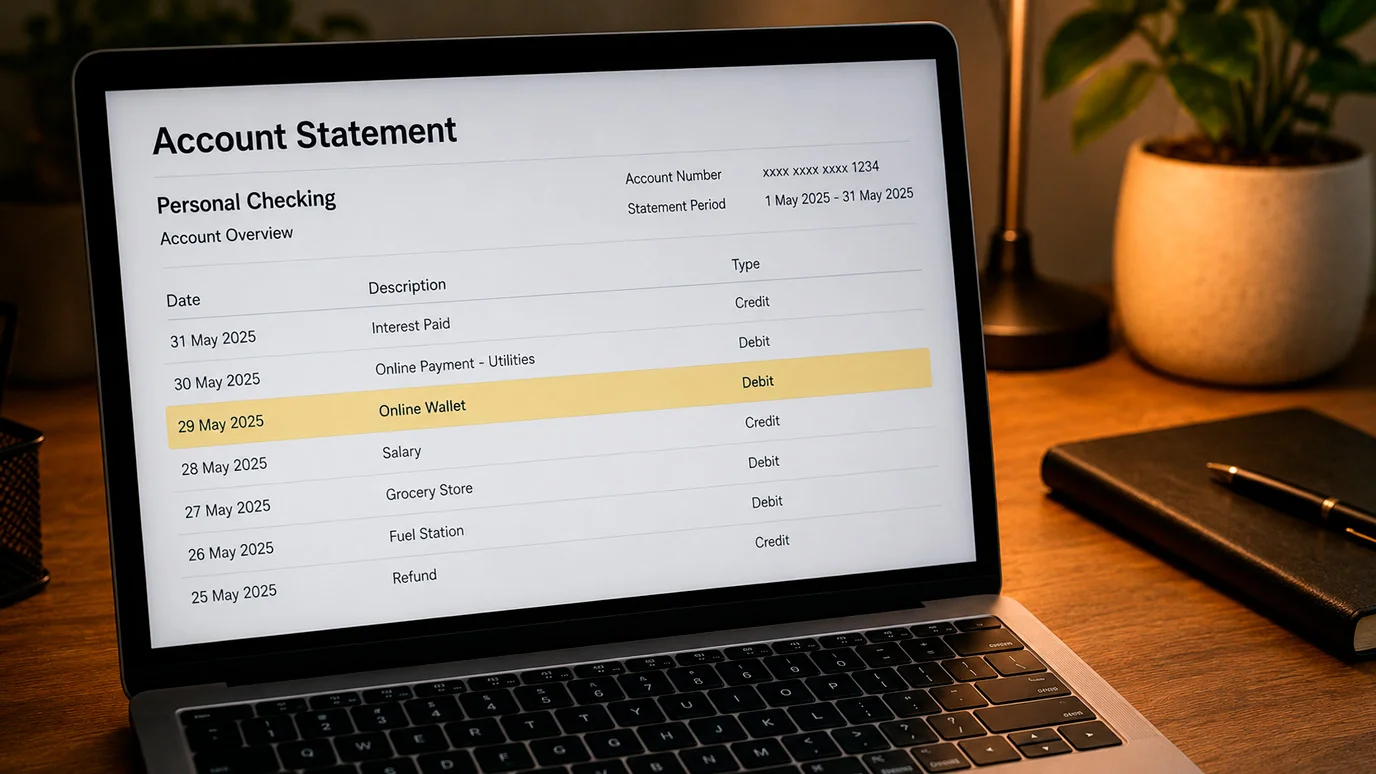
That separation does three concrete things. It keeps your main bank statement clean of gambling merchant names, since the only line that appears is a transfer to the wallet. It lets you ring-fence a gambling budget physically rather than mentally — the money in the wallet is the money for play, full stop. And it adds a verification and limit framework of its own, run by FCA-authorised PSI-Pay Ltd under registration number 900011, with funds held in ring-fenced safeguarding accounts that are protected even if the operator behind the wallet were to fail. A card gives you none of that buffer; it is a straight pipe.
The preference data backs up why this layer appeals. A clear majority of online players — about 68% in one Paysafe study — say they would rather fund their play with an e-wallet than a card, and that is not nostalgia for an extra step. It is people valuing the separation, the budget discipline and the cleaner footprint that only a wallet layer provides. The card is faster to start; the wallet is better at keeping gambling in its own box.
Picking the Route That Fits How You Play
Forget the idea that one of these is objectively right. The honest answer is that the better tool depends entirely on the size and shape of your play, and I would steer two different players toward two different choices without hesitation.
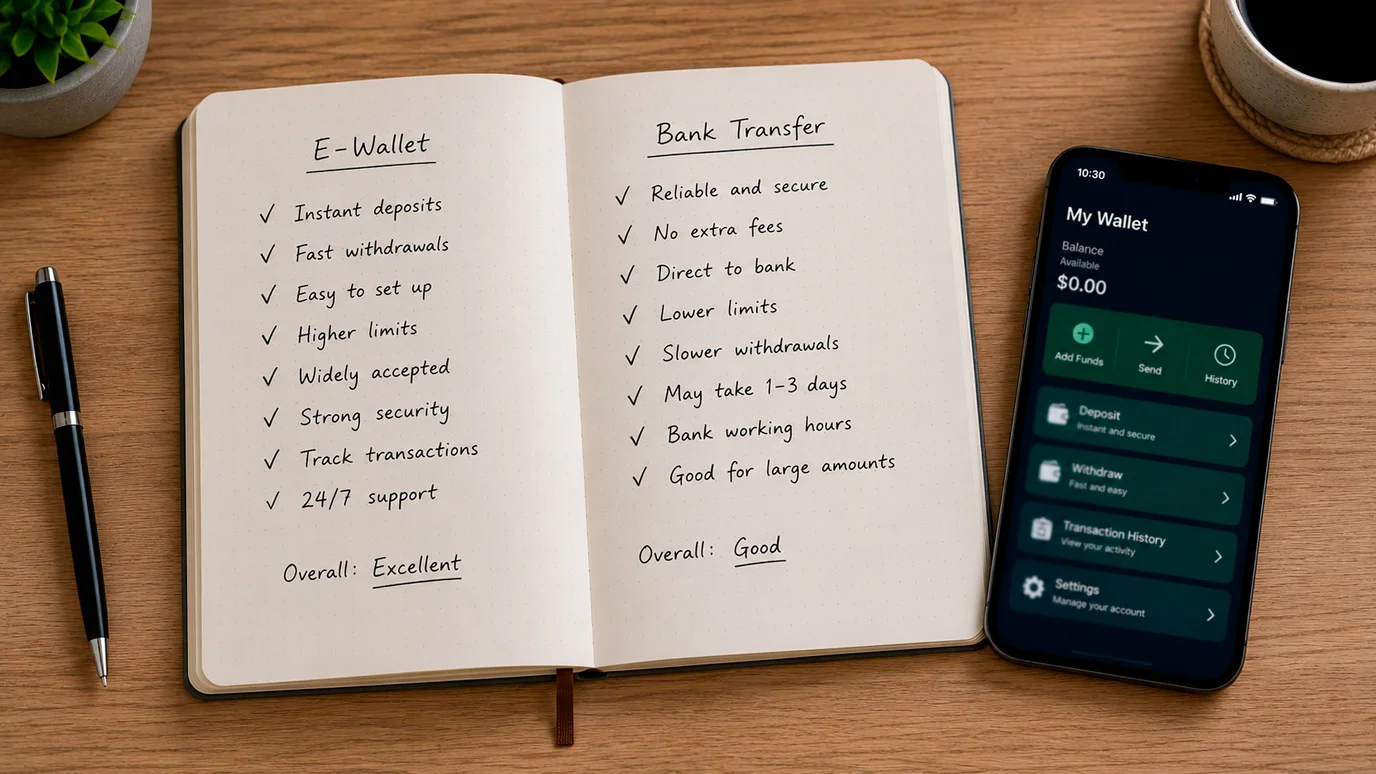
If you deposit small amounts occasionally, value instant setup over everything, and have no concern about gambling lines on your main statement, the debit card is the sensible default — adding a wallet would be machinery you never use. If you gamble more regularly, want a hard separation between play money and life money, or care about keeping your banking footprint tidy, the wallet layer earns its keep many times over. The deciding question is not speed; it is whether you want your bank and your casino to be in direct contact.
For players leaning toward the buffer, it is worth knowing that the card-versus-wallet decision is not the only one in this family — the same logic of “what sits between bank and casino” plays out differently again when you weigh a wallet against a raw bank transfer to a casino, which removes the card from the equation entirely. My own setup keeps the debit card for the bank-to-wallet top-up and lets the wallet handle every conversation with the casino, which is the arrangement that gets you the card’s funding simplicity and the wallet’s separation at the same time.
Created by the "Vaultline" editorial team.