
ecoPayz Alternatives for UK Casinos: Reading the Field
 Available in GB
The question “what are the alternatives to Payz?” is one I am happy to answer, but rarely the way people expect. They want a ranked list with a winner at the top. What they actually need is a map of the field and the judgement to place themselves on it, because the best alternative for one player is the wrong one for another. There is no single answer, and anyone who gives you one is selling something.
Payz sits in a crowded payments landscape, and several alternatives genuinely compete for the same slot at a UK cashier — other e-wallets, cards, bank routes and newer rails each with their own profile. Knowing what each one is for, rather than which one is “best,” is what lets you choose well. The field is the answer, not a name plucked from it.
So this is a tour of the alternatives organised by what they actually do, not a leaderboard. I will map the main options, explain the trade each represents, and show how to match a method to your own priorities. By the end you should be able to read the cashier as a set of tools with different purposes, and reach for the right one for the job in front of you rather than the one someone told you was top.
The Other Wallets in the Same Category
The most direct alternatives are the other stored-balance e-wallets, because they do the same job Payz does and compete for the identical cashier slot. Payz is the third largest e-wallet in the sector, and the two larger than it, Skrill and Neteller, are the most natural like-for-like alternatives.
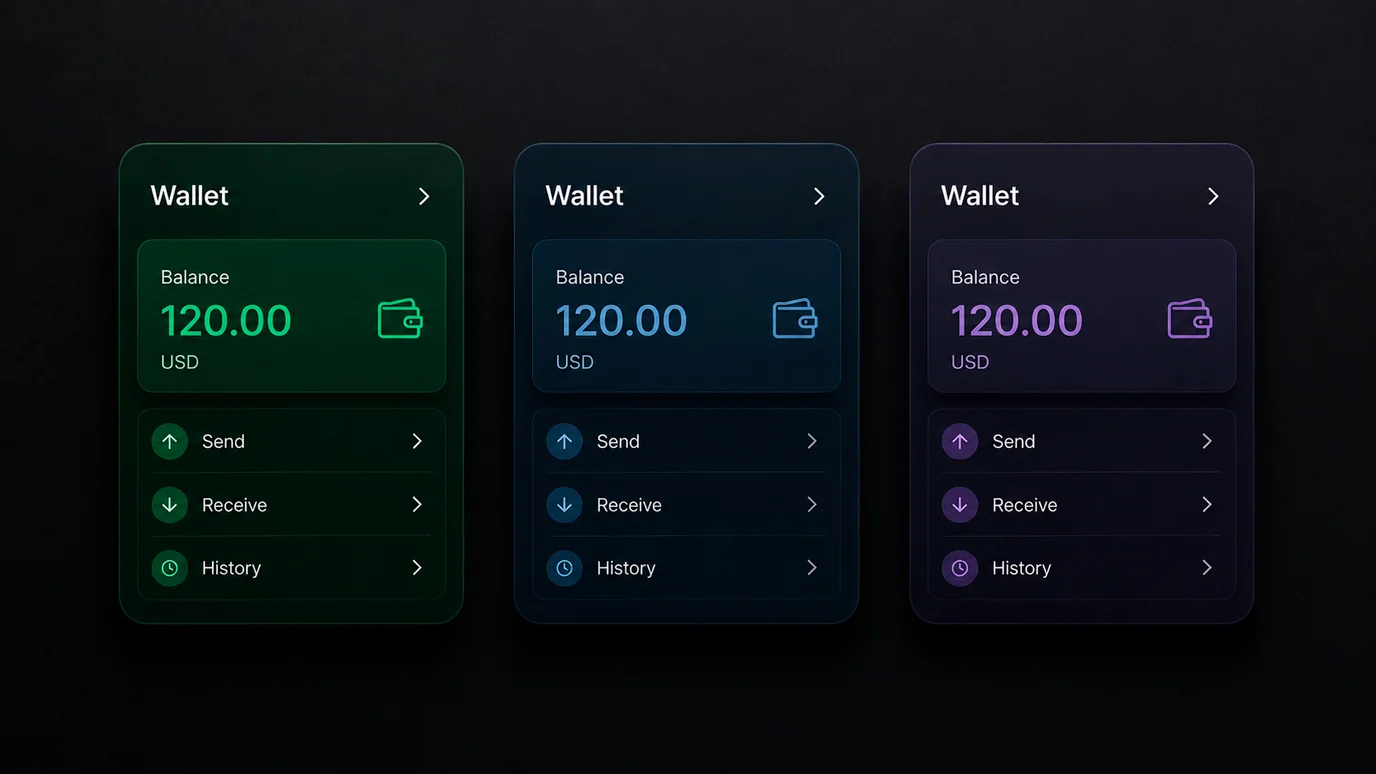
These are genuinely comparable products: stored-balance wallets that sit between your bank and the casino, offer separation and a held budget, and turn up at a broad spread of UK sites. Choosing among them comes down to the details rather than the category — fee structures, currency handling, tier systems and which one your particular casinos support best. Because they occupy the same niche, the comparison is fine-grained rather than fundamental, and a player happy with the wallet model is really just deciding which wallet’s specifics suit them. There is no dramatic gulf between them in what they do; the differences are in how they do it, and those details are worth weighing properly, which is exactly the ground I cover in the head-to-head of ecoPayz against PayPal and the wider wallet comparisons. For someone who already likes the wallet approach, the alternative is usually another wallet, chosen on the fine print.
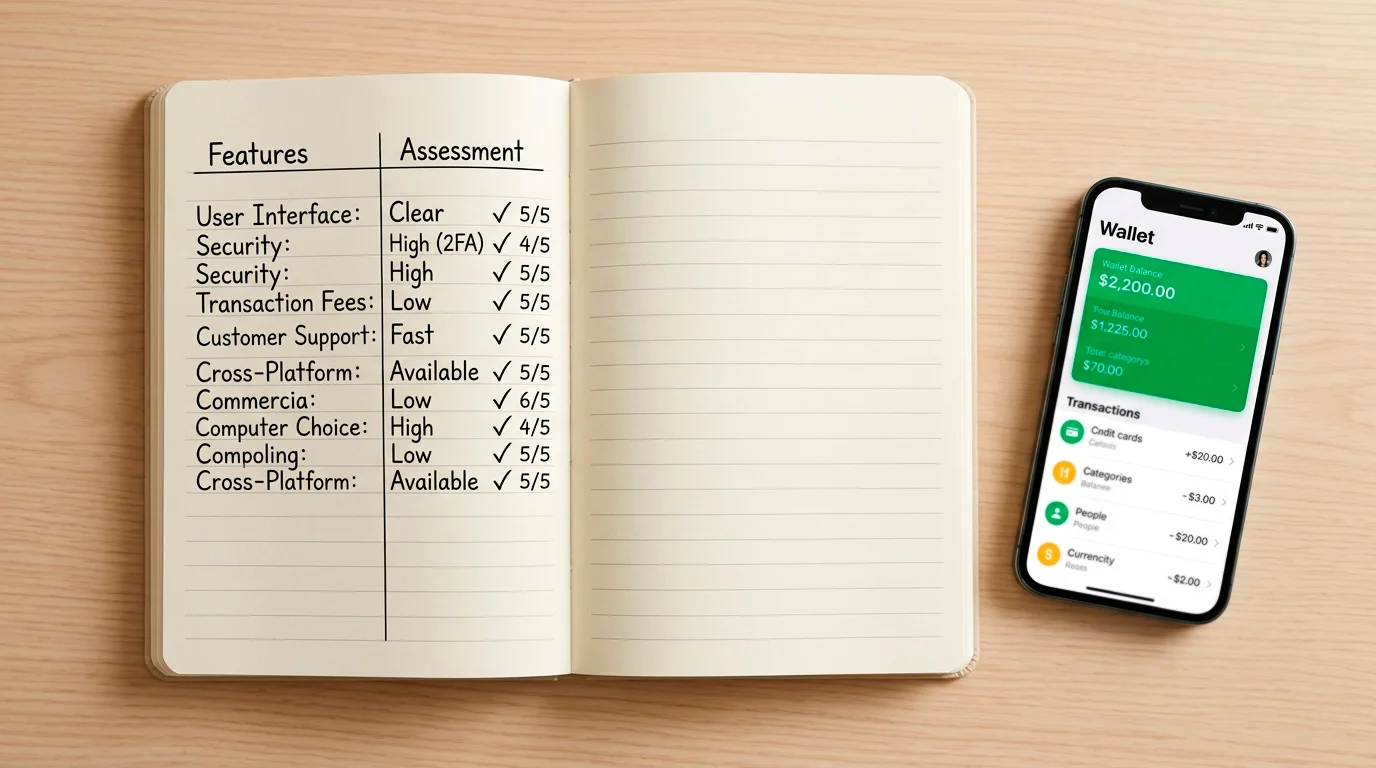
This is the easiest category to navigate because the choice is low-stakes — any of the major wallets will do the core job, so you are optimising rather than deciding something fundamental. If you are leaving Payz, the most natural landing place is one of its direct peers, and the decision is which one’s particular quirks you prefer.
Best casino sites in the UK
- BeOnBetBonus: 100% up to €500 + 100 FS · Payout speed: 1-3 business days
- EvoSpinBonus: 125% up to €2500 + 125 Free Spins · Payout speed: 1-3 business days
- BritsinoBonus: Welcome Package – Get your £2,200 + 2,000 FS · Payout speed: 1-3 business days
- Revery PlayBonus: 100% up to€1,000+ 100 FS · Payout speed: 1-3 business days
- SlotoSportBonus: 500% up to £ 10 200+ 777 FS · Payout speed: 1-3 business days
- ZombillionBonus: Welcome Pack 250% up to £4000 + 200 FS · Payout speed: 1-3 business days
The Methods That Trade the Wallet Model Entirely
The more interesting alternatives are the ones that abandon the wallet model altogether, because choosing them means deciding you want something different in kind, not just a different brand. Cards, bank transfers and open banking each replace the held-balance wallet with a fundamentally different way of moving money.
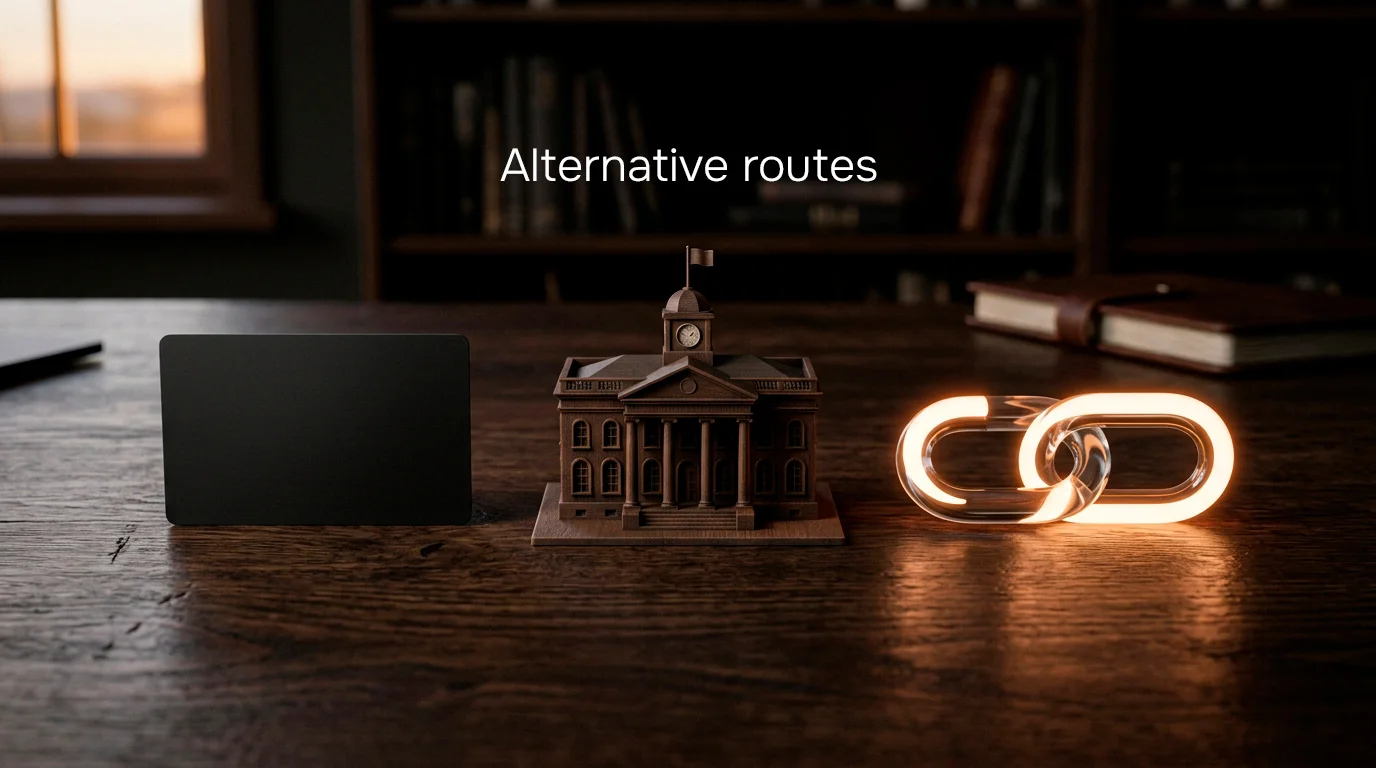
Each represents a clear trade. A debit card gives you instant simplicity and a direct bank-to-casino link, at the cost of the separation and clean statement a wallet provides. A bank transfer gives you maximum directness and full bank visibility, at the cost of speed and footprint. Open banking gives you real-time payment from verified funds with nothing to top up, at the cost of having no stored balance to ring-fence. None of these is worse than a wallet in the abstract; they are simply optimised for different priorities — directness, simplicity or immediacy instead of separation and a held budget. The preference data shows where most players land, with around 68% in one Paysafe study favouring e-wallets over cards, but the substantial minority who prefer the alternatives usually do so for a specific, sensible reason that suits how they play. Picking one of these over a wallet is a decision to value something the wallet does not prioritise.
This is the category where the choice actually means something, because you are not swapping one wallet for another but choosing a different philosophy of payment. The right move depends entirely on whether you value the wallet’s separation enough to maintain a balance, or whether directness and simplicity matter more to you than a clean statement and a ring-fenced budget.
Matching the Method to Yourself
The whole point of mapping the field rather than ranking it is that you can now place yourself on it, which is the only ranking that matters. The best alternative to Payz is defined by your priorities, not by any universal order of merit, and a few honest questions sort it out quickly.

Ask whether you value separation between your bank and the casino, or prefer the directness of a straight link. Ask whether you want a pre-funded budget you maintain, or money that moves live with nothing to top up. Ask whether a clean main bank statement matters to you, or whether you are indifferent to gambling lines appearing on it. Your answers point straight at a category: if separation and a held budget win, you want a wallet, and the choice is which one; if directness or simplicity win, you want a card, transfer or open banking, chosen on which trade suits you. The field stops being a confusing list and becomes a decision tree with you at the root. That is a far more durable thing to own than a ranked list, because your priorities travel with you across every cashier and every year, while a leaderboard is out of date the moment it is published.
So I will end where I began, by refusing to crown a single alternative and handing you the map instead. Payz has direct peers among the wallets and genuine rivals among the other models, and the right one for you falls out of what you actually want money to do. Read the field, place yourself honestly, and the alternative that fits will be obvious — not because someone ranked it first, but because it matches you.
Written by the editors at Vaultline.