
ecoPayz Currency Conversion at Casinos: The Margin You Pay Twice
 Available in GB
I watched a player lose more to currency conversion in a month than he had to any losing streak, and he never noticed it happening. Every deposit and every withdrawal quietly shaved off a percentage because his wallet held euros while his casino billed in pounds. The losses at the table were visible and stung; the conversion margin was invisible and didn’t.
This is the cost almost nobody factors in, and it can be charged twice on a single round trip — once going in, once coming out — if your wallet currency and your casino currency do not match. The fix is genuinely free. The ignorance is what is expensive. Most players never realise they are paying it at all.
So I want to make this margin visible, because you cannot avoid a cost you cannot see. I will explain how the conversion works, walk through a concrete example of the double charge, and show why holding the right currency removes the whole problem at no cost. This is the single easiest money-saving habit in the entire wallet, and it costs nothing but attention.
ecoPayz FX Margins and Currency Conversion Costs at Casinos
The margin is not a fee you get a bill for — it is baked into the exchange rate you receive, which is exactly why it stays invisible. When your wallet converts between currencies, it does not use the mid-market rate; it applies a margin on top, and that margin is the cost, quietly built into the numbers.
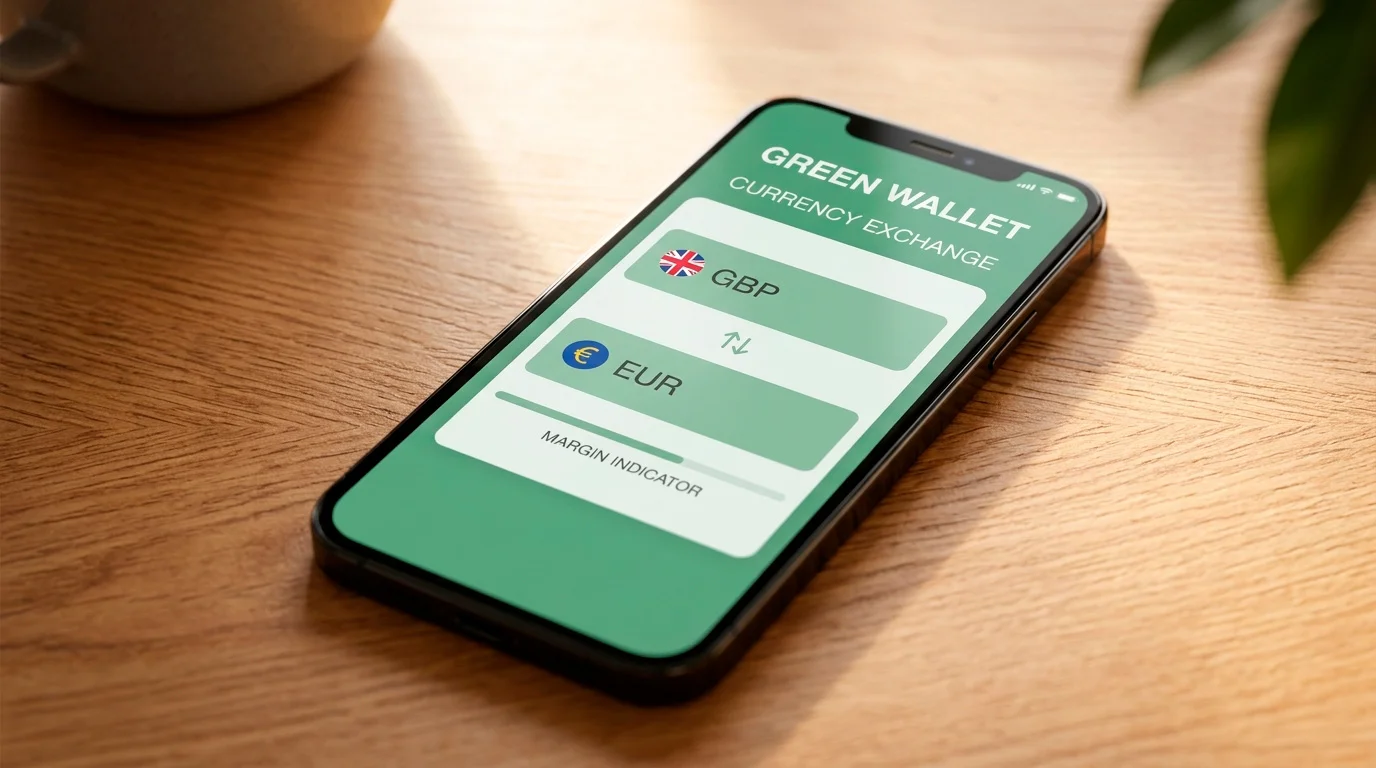
The size of it depends on your account tier. Payz applies a foreign-exchange margin of around 2.99% on lower tiers such as Classic and Silver, dropping to about 1.49% once you reach Gold or above. The wallet supports more than fifty currencies including GBP, EUR and USD, so you can hold pounds directly — but if you hold one currency and transact in another, every conversion crossing that boundary carries the margin. Because it is embedded in the rate rather than shown as a line item, players experience it as simply getting slightly less than they expected, never as a charge they can point to. That invisibility is what makes it so easy to bleed money to without noticing. A visible fee gets resented and avoided; a worse exchange rate just feels like the way numbers are.
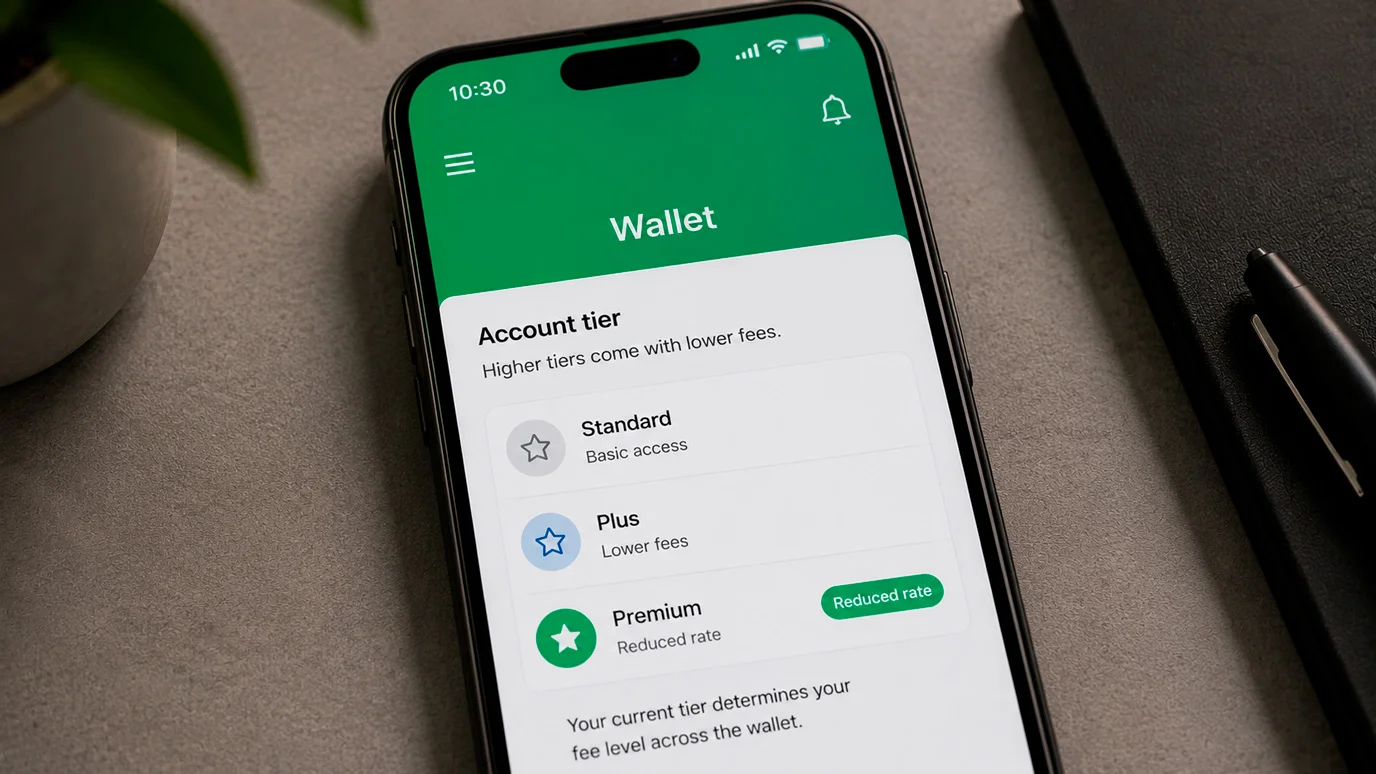
The tier dependence matters because it means the margin is partly within your control. Climbing toward Gold roughly halves the rate, so a player who converts often has a direct financial incentive to verify up. But the better move is not to pay a smaller margin — it is to pay none at all, which is entirely possible.
The Double Charge in Practice
Let me show you the trap with numbers, using a plain unbranded example, because seeing it once makes it impossible to ignore again. Imagine a player whose wallet holds euros, depositing at a casino that bills in pounds, on a lower tier carrying the 2.99% margin.
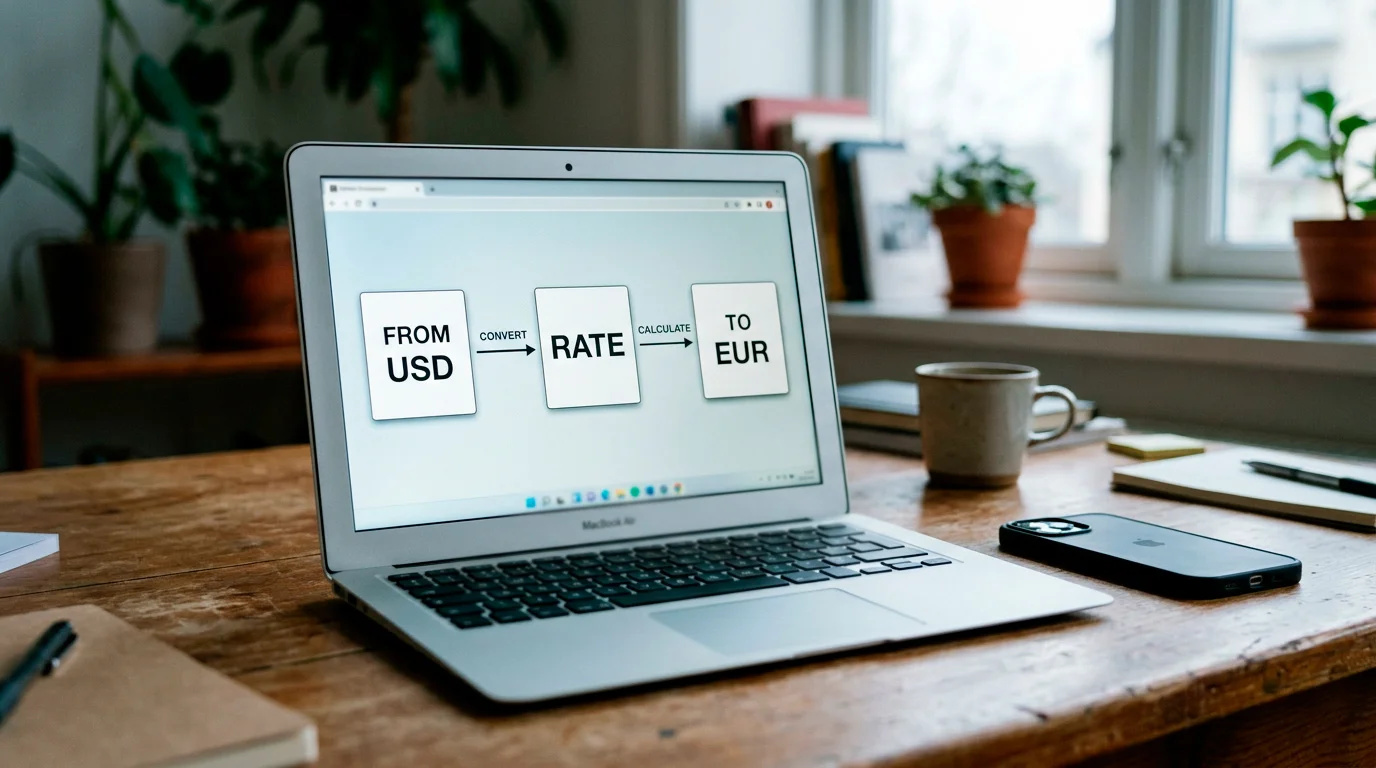
On the way in, the deposit converts from euros to pounds, and the margin shaves off roughly 2.99% before the money even reaches the cashier. The player gambles, wins, and withdraws — and on the way out, the pounds convert back to euros to land in the wallet, taking another bite of around 2.99%. The same round trip has now been taxed twice, compounding to noticeably more than three percent of the sum that made the full journey, all of it invisible inside the exchange rates. Scale that across a month of regular play and the total quietly rivals a bad session at the table, except this loss had nothing to do with the games. It was pure friction, paid for holding the wrong currency. And it would have been entirely avoidable with a single setup choice made at the start.
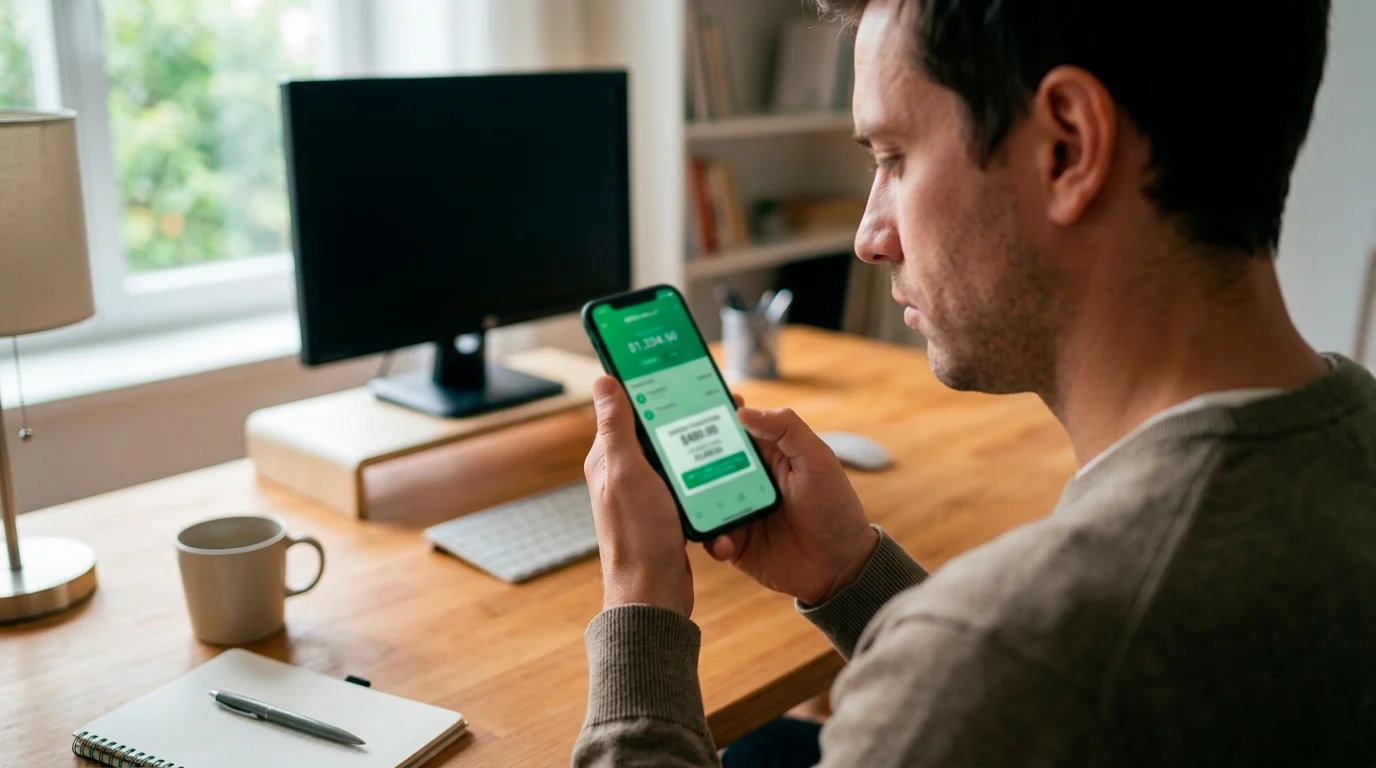
The lesson lands harder as a number than as a warning. A double conversion on every round trip is the most expensive way to use the wallet, and the player paying it is usually the one who never thought about currency at all. The margin does not care how well you play. It taxes the journey, not the outcome.
Holding the Right Currency to Pay Nothing
Here is the part that makes the whole problem disappear, and it is almost insultingly simple: hold your wallet balance in the same currency your casino bills in, and there is nothing to convert. For a UK player at a sterling cashier, that means holding GBP — and the margin never enters the picture.
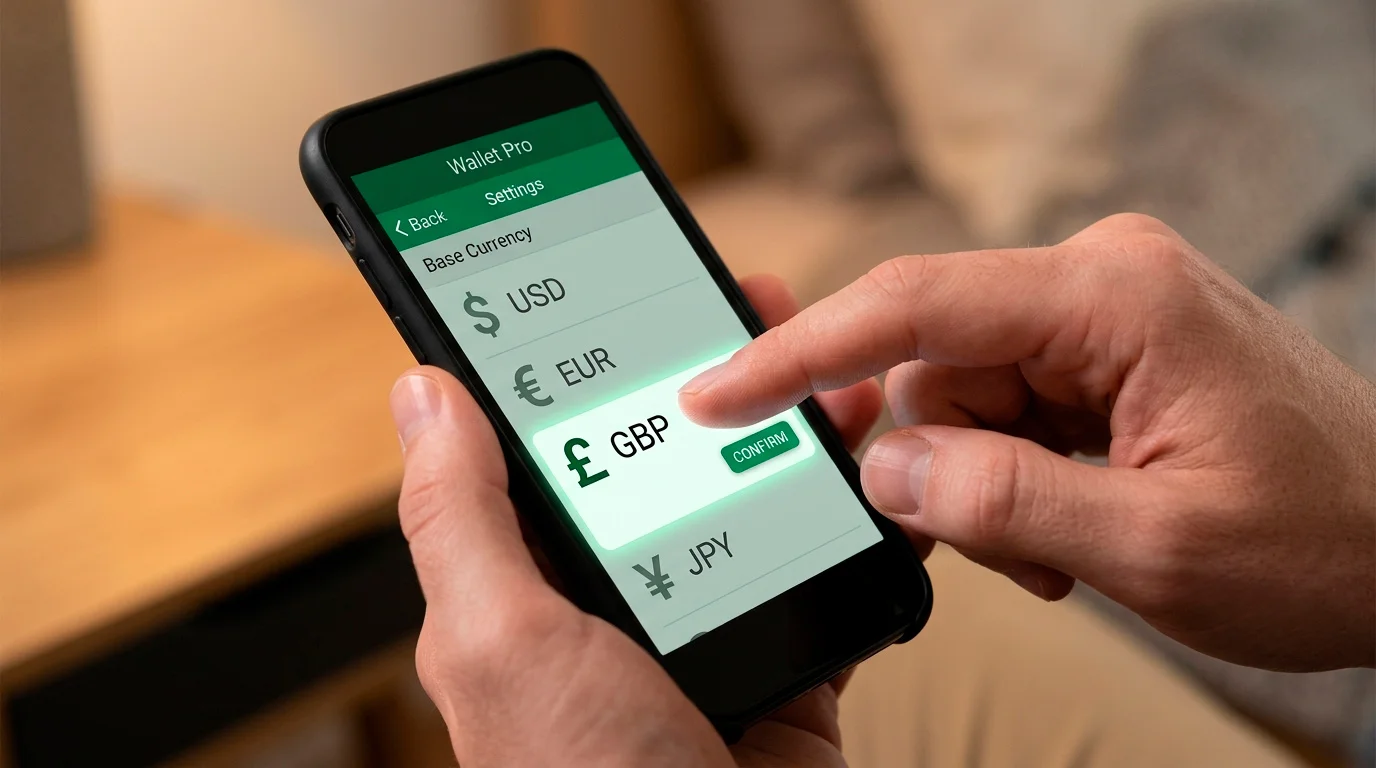
Because Payz supports holding pounds directly, a UK player can fund the wallet in sterling, deposit to a sterling casino in sterling, and withdraw back in sterling, with no currency boundary crossed at any point and therefore no margin applied on either leg. The double charge from the example simply cannot occur, because there is no conversion to charge for. This costs you nothing to set up — it is just a matter of holding and transacting in one consistent currency rather than letting conversions happen by default. It is the same discipline that keeps deposits genuinely instant and keeps your fee total down, and it sits at the heart of why matching your wallet to a sterling cashier matters so much, which I cover in full in the piece on using ecoPayz in GBP at UK casinos.
So the entire currency-conversion problem collapses into one habit. Pick sterling, hold sterling, pay sterling cashiers in sterling, and the margin you might otherwise pay twice becomes a margin you never pay at all. There is no clever trick beyond consistency — but consistency, in this corner of the wallet, is worth real money every single month.
Published by the Vaultline team.