
ecoPayz vs PayPal for UK Casinos: Why One Shows Up and One Doesn't
 Available in GB
The first question I get from anyone moving across to Payz is almost always the same: why can’t I just use PayPal? It is the wallet they already trust, the one with their card already saved, the one their friends split dinner with. And on paper the two products look like cousins — store a balance, move money, pay merchants. So the instinct to reach for the familiar one is entirely reasonable.
The trouble is that at a UK casino cashier the two behave nothing alike. One appears as a payment option at a wide spread of sites; the other is conspicuously absent at most of them, or available only at a narrow handful of operators that cleared a specific commercial bar. That gap is not an accident, and it is not about which wallet is “better” in the abstract. It is about how each company has chosen to treat gambling as a category.
So this is less a feature-by-feature duel than an explanation of a structural difference. I will walk through why PayPal is so often missing from the UK cashier, what Payz offers in its place, and how to think about the choice when one of your two options keeps refusing to load. The honest framing is not “which is the superior wallet” but “which one will actually be there when you reach the payment screen.”
The Differences in UK Casino Acceptance: ecoPayz vs PayPal
I have lost count of the players who assumed a site was broken when PayPal failed to appear, when in fact the wallet was working exactly as intended. PayPal is a mainstream consumer payments giant, and that scale comes with a cautious, selective approach to gambling that keeps it off most UK cashiers entirely.
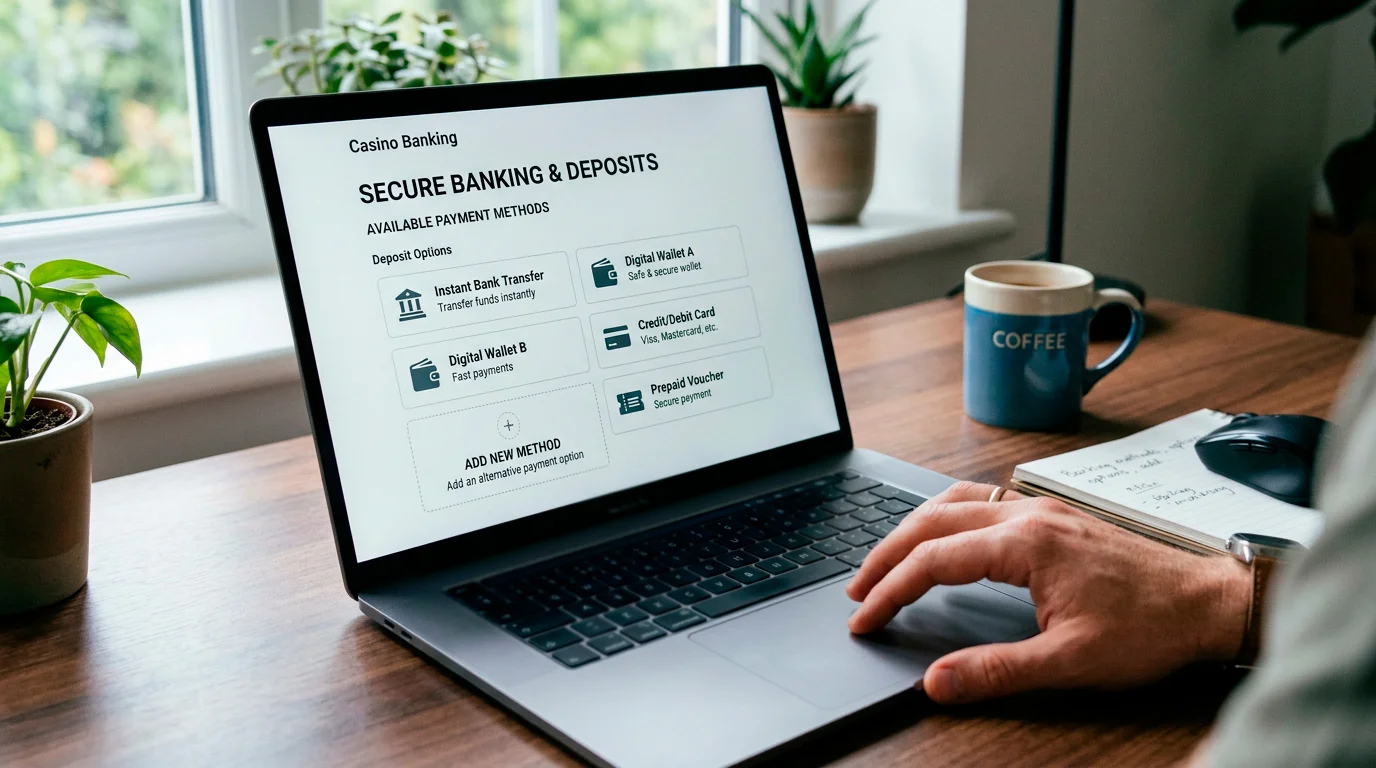
Where PayPal does appear, it is hedged with conditions. It tends to be available only at larger, long-established operators that meet PayPal’s own commercial and compliance requirements, and even then it often will not let you withdraw to the same balance you funded a card from, nor move money in ways that resemble the closed-loop discipline gambling regulation increasingly expects. For a player at a mid-sized or newer site, the practical result is simple: the logo is not on the screen. The wallet has decided this particular category, at this particular operator, is not worth its risk appetite.
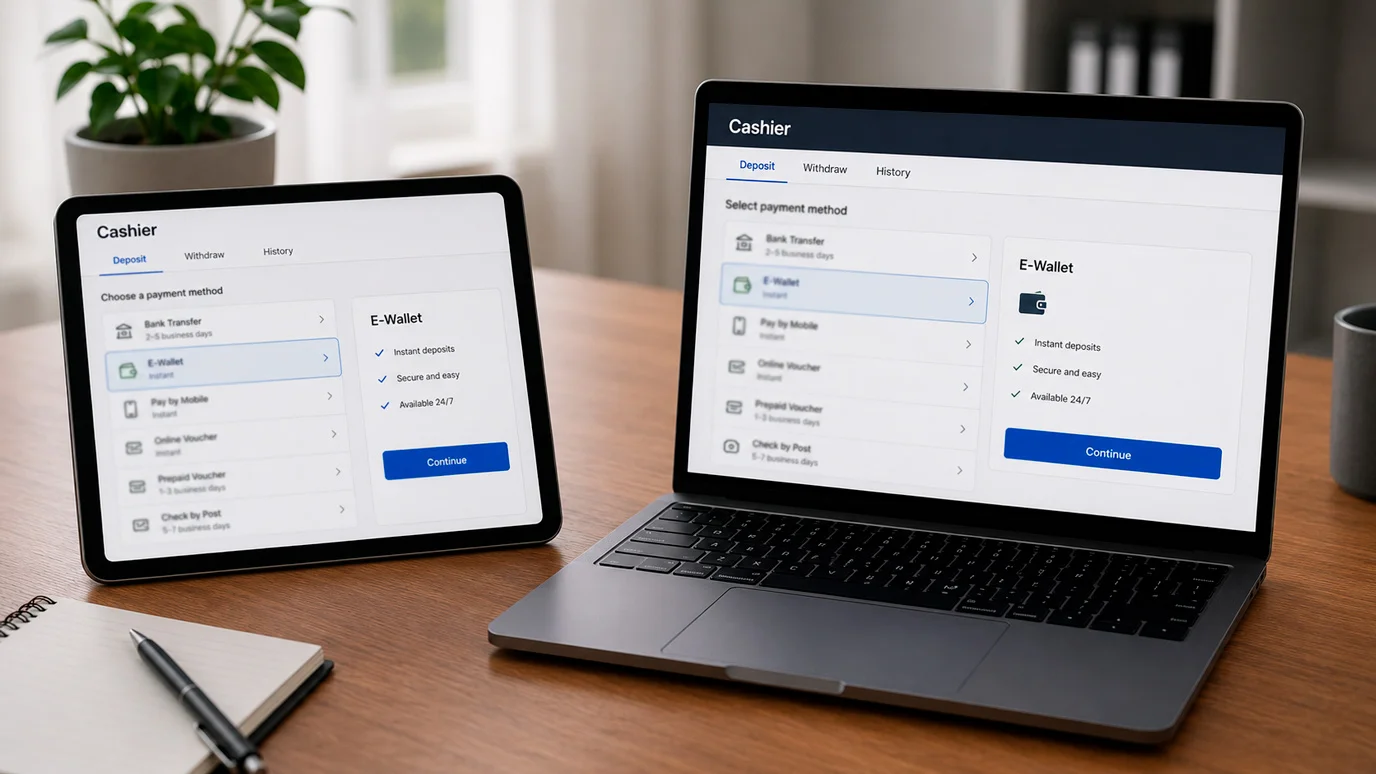
None of this makes PayPal a bad product. It makes it a product built for a different centre of gravity — retail, peer-to-peer, marketplaces — where gambling is a side concern it can afford to ration. That selectivity is the whole reason a player ends up looking for an alternative in the first place, which is exactly where the contrast with Payz starts to matter.
What Payz Brings to the Same Screen
Picture the same cashier, same player, but this time the wallet loads. That is the everyday experience that has made Payz the third largest e-wallet in the sector, sitting behind only Skrill and Neteller, and it earned that position partly by leaning into the gambling category that PayPal keeps at arm’s length.
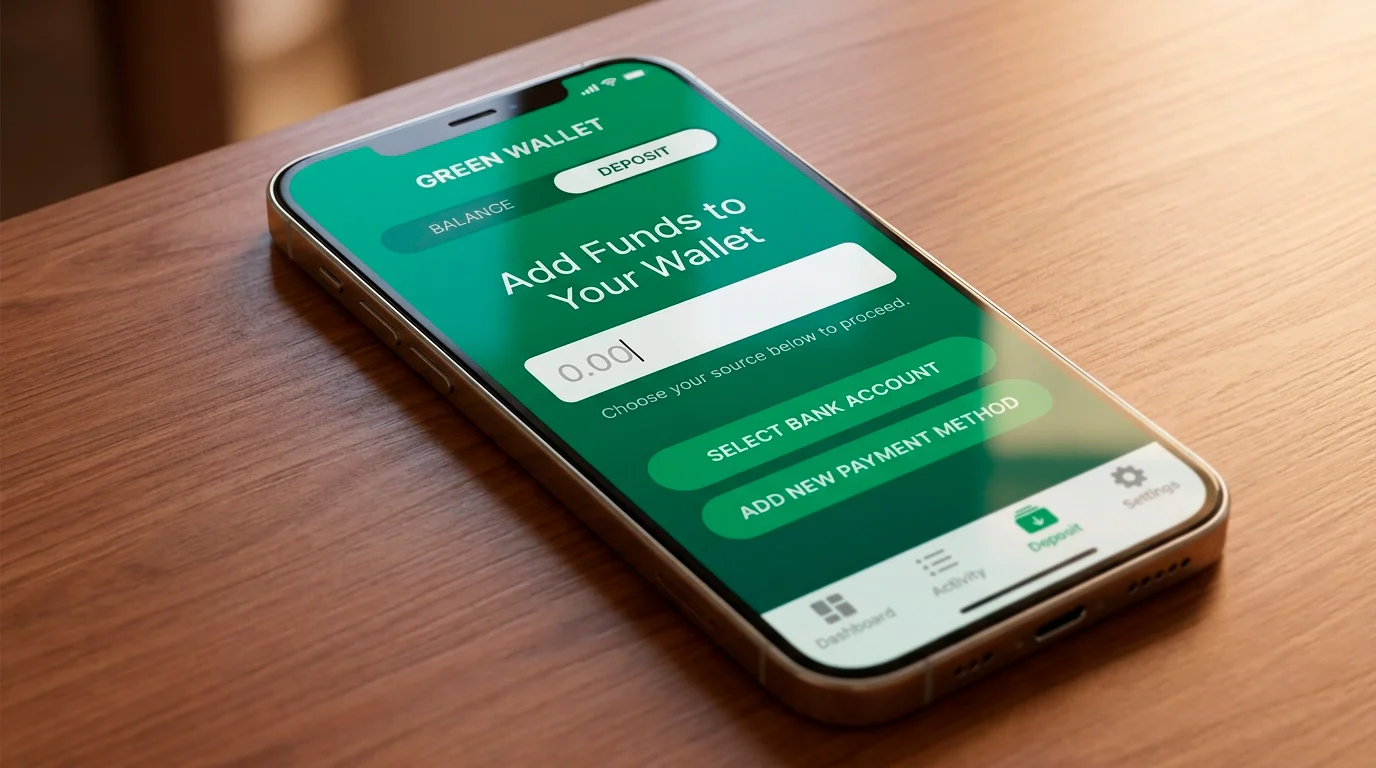
Payz is run by PSI-Pay Ltd, FCA-authorised and recognised as a safe payments provider since 2008, with a Mastercard partnership in place since 2009. It supports more than fifty currencies including GBP, EUR and USD, so a UK player can hold pounds and pay a sterling cashier directly. More to the point, it treats online gambling deposits and withdrawals as a core use case rather than a tolerated edge, which is precisely why it turns up at a far broader range of sites than PayPal manages. The industry has spent years recognising that the cashier is not a dull plumbing detail but a competitive surface in its own right. As one Paysafe executive put it, payments “aren’t just a back-end function — they’re a strategic growth driver,” and a wallet that embraces a category will naturally appear in more places within it than one that screens it out.
This is the trade in plain terms. PayPal gives you a household name that may not be on the screen; Payz gives you a gambling-fluent wallet that usually is. The appetite for e-wallets at the cashier is not in doubt either — surveys have found that a clear majority of online players, around 68% in one Paysafe study, would rather pay by e-wallet than reach for a credit card. The question is only which e-wallet shows up to take that preference.
Choosing the Wallet That Will Actually Be There
Strip the branding away and the decision comes down to availability under your real conditions, not the wallet you feel warmest about. I tell people to start from the operators they actually intend to use and work backwards, because a wallet you love that is missing from your cashier is worth less than a wallet you tolerate that loads every time.
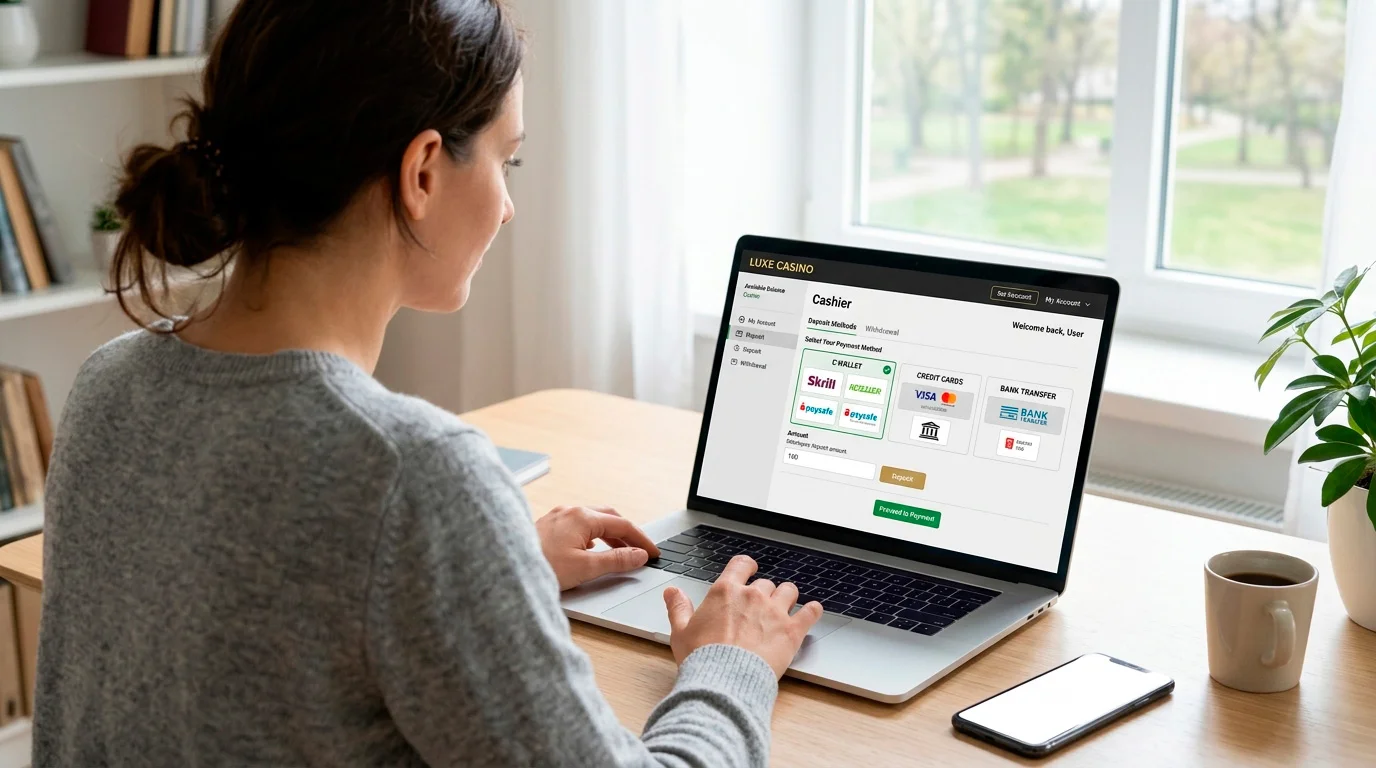
If your sites happen to be among the large, established operators where PayPal is supported, and you value the familiarity, there is a coherent case for it — provided you accept its tighter rules on how money moves in and out. For everyone else, and that is most players at most UK sites, the realistic pairing is Payz, because breadth of acceptance is the single factor that decides whether you are paying or staring at an error. The mistake is choosing on brand affection and discovering the gap at the worst possible moment, mid-deposit.
My own rule is unglamorous: pick the wallet that matches where you play, verify it properly so its limits do not bite, and hold your balance in sterling so conversion margins stay out of it. If the broader e-wallet field is what you are weighing rather than PayPal specifically, the comparison of ecoPayz against Skrill and Neteller is the more useful battleground, since those three are the wallets that genuinely compete for the same cashier slot. PayPal, for all its size, is usually not in that fight.
Written by the editors at Vaultline.