
ecoPayz Casino Withdrawal Limits: What Caps Your Payout
 Available in GB
When a payout takes longer or arrives in pieces, players blame “the limit” as if there were one. There are two. A casino limit and a wallet limit sit on top of each other like two ceilings in a room, and a big win can bump its head on either — or both. Understanding which ceiling you have hit is the whole difference between fixing the problem and fuming at the wrong party.
This is not a rare edge case. UK online gambling is huge and busy — the most recent quarter saw online yield of around £1.5 billion even as the number of bets and spins climbed 6% to 27.4 billion — and a meaningful slice of that activity ends in someone trying to withdraw a sum large enough to test their limits. When they do, the surprise is rarely the casino alone. It is the wallet tier they never thought about, quietly capping what the casino was happy to release.
So I want to separate the two ceilings cleanly, because conflating them is the root of most withdrawal frustration. The casino sets caps for its own reasons — risk, cash flow, anti-fraud. The wallet sets caps tied to your verification tier. A large payout has to clear both, and the lower of the two is the one you actually feel. Below I will take each ceiling in turn, then look at what a genuinely big win looks like as it comes out through Payz.
The Caps the Casino Sets
The casino’s limits are the ones most players know exist, even if they have never read the exact numbers. Operators cap withdrawals per transaction, per day, per week or per month, and those caps are the casino managing its own exposure — protecting cash flow and slowing down anything that looks like fraud.

These caps vary enormously between sites, and they are where a big win most visibly runs into trouble. A casino with a modest weekly withdrawal ceiling will pay a large win out in chunks across several weeks, not because it is refusing to pay but because its terms metered the payout that way from the start. This is the detail people skip in the terms and rediscover the hard way when a five-figure win turns into a multi-week drip. The cap was always there; it just never mattered until the win was large enough to hit it.
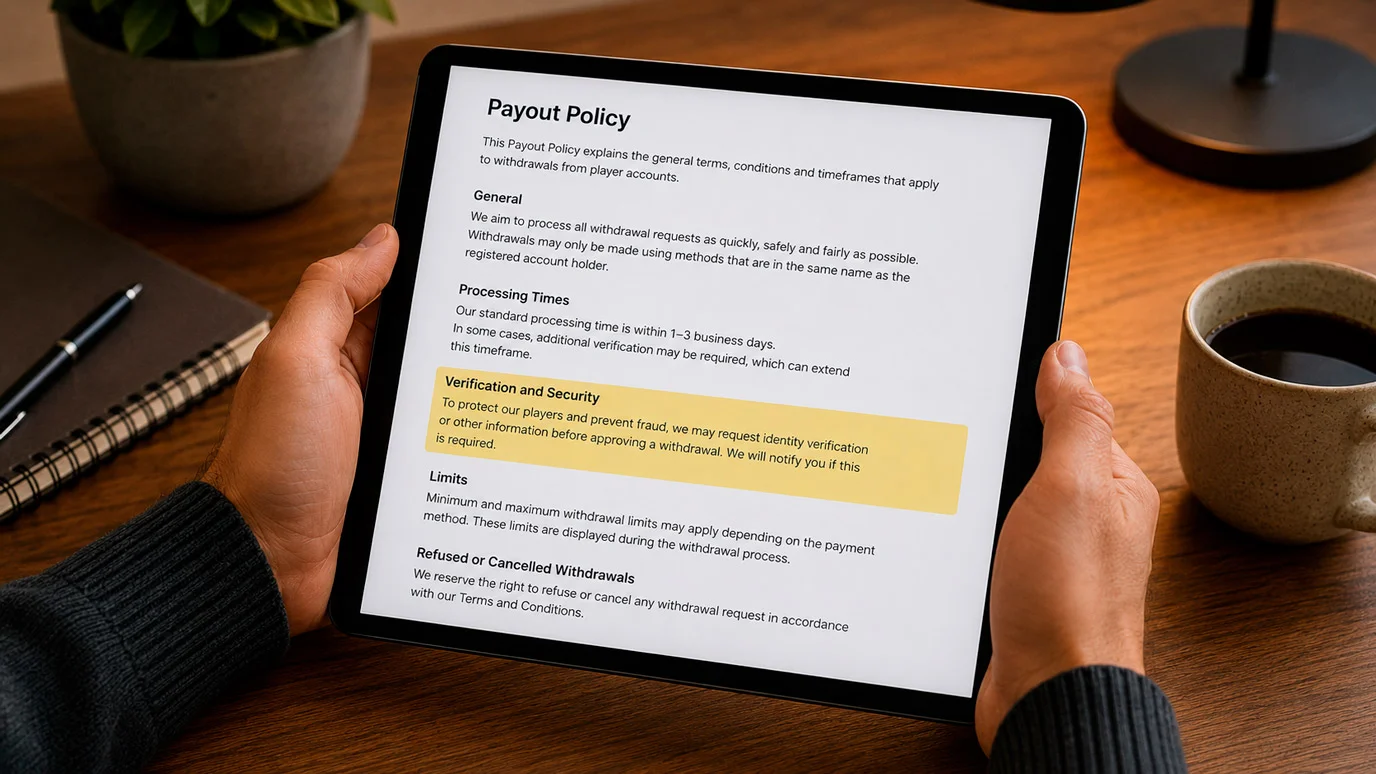
The lesson is to read the withdrawal limits before you would ever need them, not after. A casino’s payout caps tell you a lot about how it treats winners — generous, clearly-stated limits suggest an operator comfortable paying out, while low caps and vague language suggest one that would rather you did not win big. For a Payz player the casino cap is only the first ceiling, but it is the one that decides the rhythm of a large payout: all at once, or parcelled out over time.
The Caps Your Wallet Tier Sets
Here is the ceiling players forget, and it is the one I most often have to point out. Your Payz account has its own limits, set by your verification tier, and they apply on top of whatever the casino allows. The casino can release the money and the wallet can still throttle how much of it lands.

The wallet — run by PSI-Pay Ltd, FCA-authorised under registration number 900011 — uses tiers as a risk and trust system. A barely-verified Classic account carries the tightest caps; a fully-verified Gold account carries the highest. So a player on a low tier can have a casino happily paying out a large sum while the wallet itself will only accept so much in a given window, leaving the rest queued behind the wallet’s ceiling rather than the casino’s. From the outside it looks like one delay. Underneath, it is two separate caps interacting.

This is why I push people to sort their tier well before a big win, not after. The wallet cap is the one entirely within your control — verification lifts it — whereas the casino cap is fixed by the operator’s terms. If you know a large payout is plausible, raising your tier removes one of the two ceilings entirely, leaving only the casino’s. The mechanics of how Classic, Silver and Gold change those caps are worth knowing in full, and I have set them out in the breakdown of ecoPayz account tiers. The short version: an unverified wallet is a cap you imposed on yourself.
What a Big Win Really Looks Like Coming Out
Strip away the fantasy of a jackpot landing in your account in one glorious lump, and the reality of a large payout is more administrative than dramatic. A genuinely big win usually comes out shaped by both ceilings at once, and it pays to expect that rather than be blindsided by it.
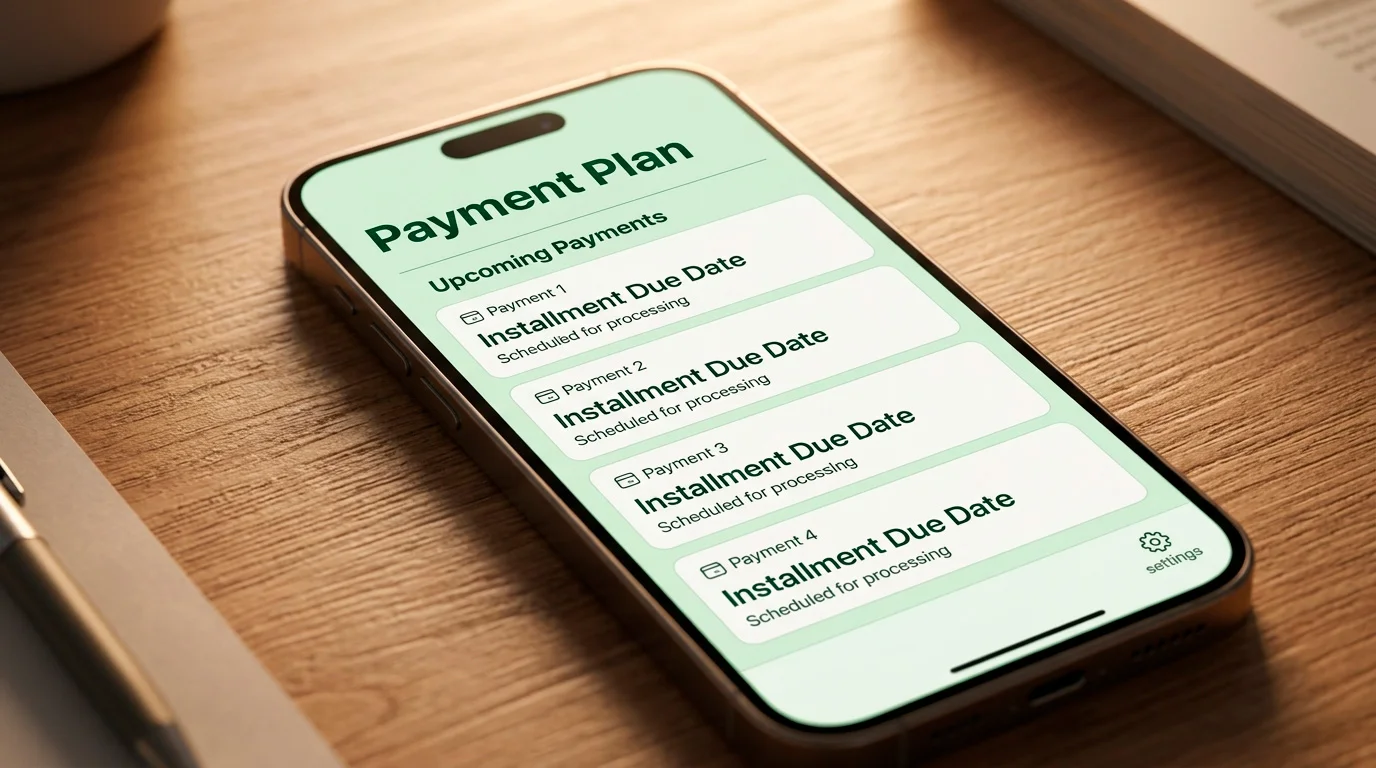
In practice, a large win that exceeds the casino’s per-period cap gets metered out in instalments according to the casino’s terms, and each instalment then has to fit under your wallet’s tier limit on the way in. If your tier is high, the wallet cap rarely bites and the rhythm is set purely by the casino. If your tier is low, you can get a double throttle — the casino releasing in chunks, the wallet accepting in smaller chunks still. Fees enter here too: any conversion along the way carries the wallet’s margin, 2.99% on lower tiers and 1.49% on Gold, so a low tier costs you twice on a big payout, in both speed and money.
The grown-up expectation, then, is that a big win is a process, not an event. Read the casino’s caps so the instalment rhythm does not shock you, raise your wallet tier so it is not the bottleneck, and hold your balance in the right currency so the margin does not nibble each instalment. Do those three things and a large payout still takes time — but it takes the casino’s time, for the casino’s reasons, rather than stalling on a wallet ceiling you could have lifted with a verification upload.
Published by the Vaultline team.