
Does Using ecoPayz Affect Gamstop Self-Exclusion?
 Available in GB
Gamstop blocks casinos, not wallets. That one sentence resolves most of the confusion, but it deserves unpacking, because the way people imagine self-exclusion working and the way it actually works are quite different — and the gap matters if you are self-excluded and wondering why your Payz wallet still opens normally.
The mix-up is understandable. You sign up to Gamstop to stop gambling, you have a wallet you used to gamble with, and the instinct is that the block should reach the wallet too. It does not, and it was never designed to. Gamstop is a register that the gambling sites consult; the wallet — Payz, formerly ecoPayz — is a regulated payment product that exists for far more than gambling. So self-excluding stops the casinos from letting you in. It does not freeze, close or restrict the wallet, which carries on doing everything that has nothing to do with gambling.
Self-exclusion is widely used and increasingly so: by the end of 2025 around 562,000 people had registered with Gamstop, roughly 1% of the UK adult population. That is a large, growing group of people, many of whom hold e-wallets, and the same question lands in my inbox from them repeatedly. So this piece sets out exactly what Gamstop blocks, where your wallet keeps functioning, and — the part I think is genuinely useful — how the wallet can be turned into a control tool rather than a temptation.
What Gamstop Actually Blocks
Think of Gamstop as a guest list that works in reverse. When you self-exclude, your details go onto a register, and every UK-licensed gambling operator is required to check that register and turn you away. You are on the “do not admit” list, and the doors that honour it are the casinos and betting sites.
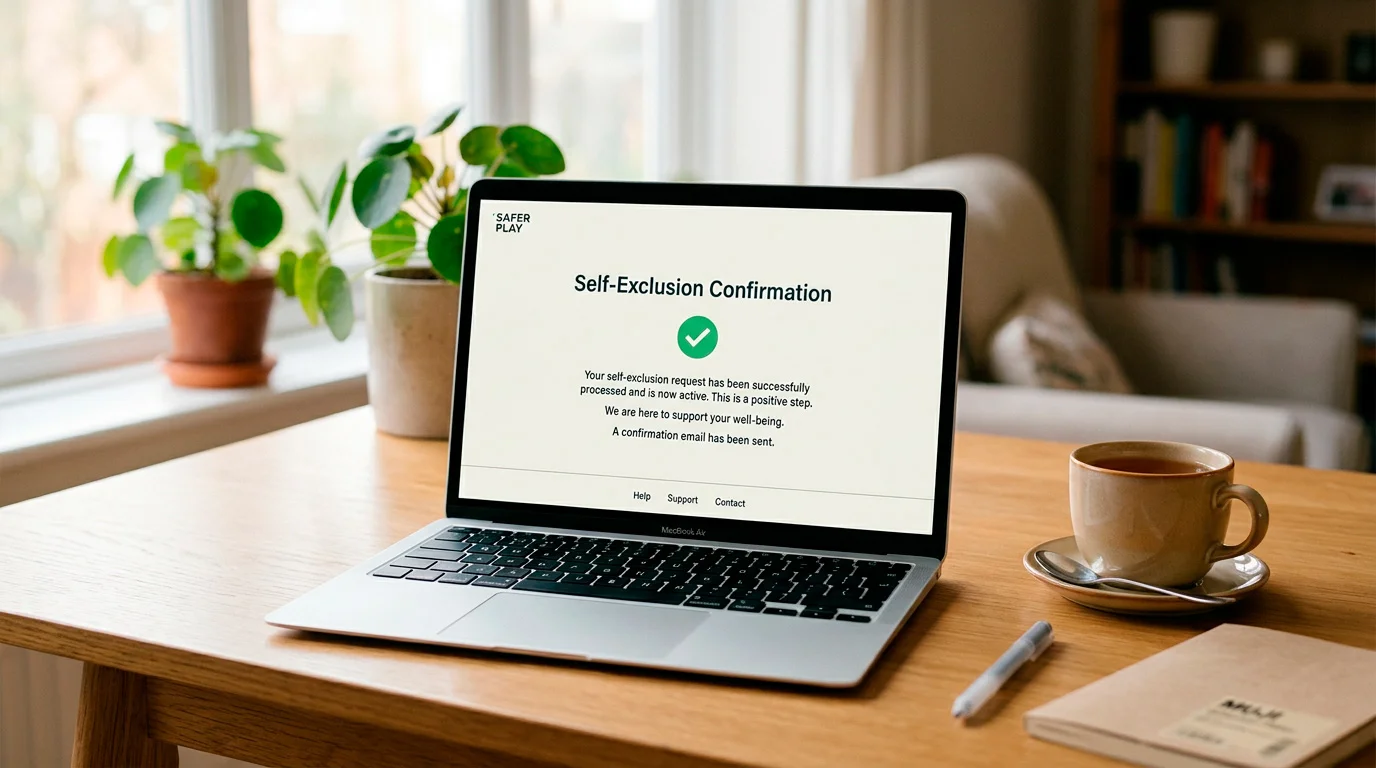
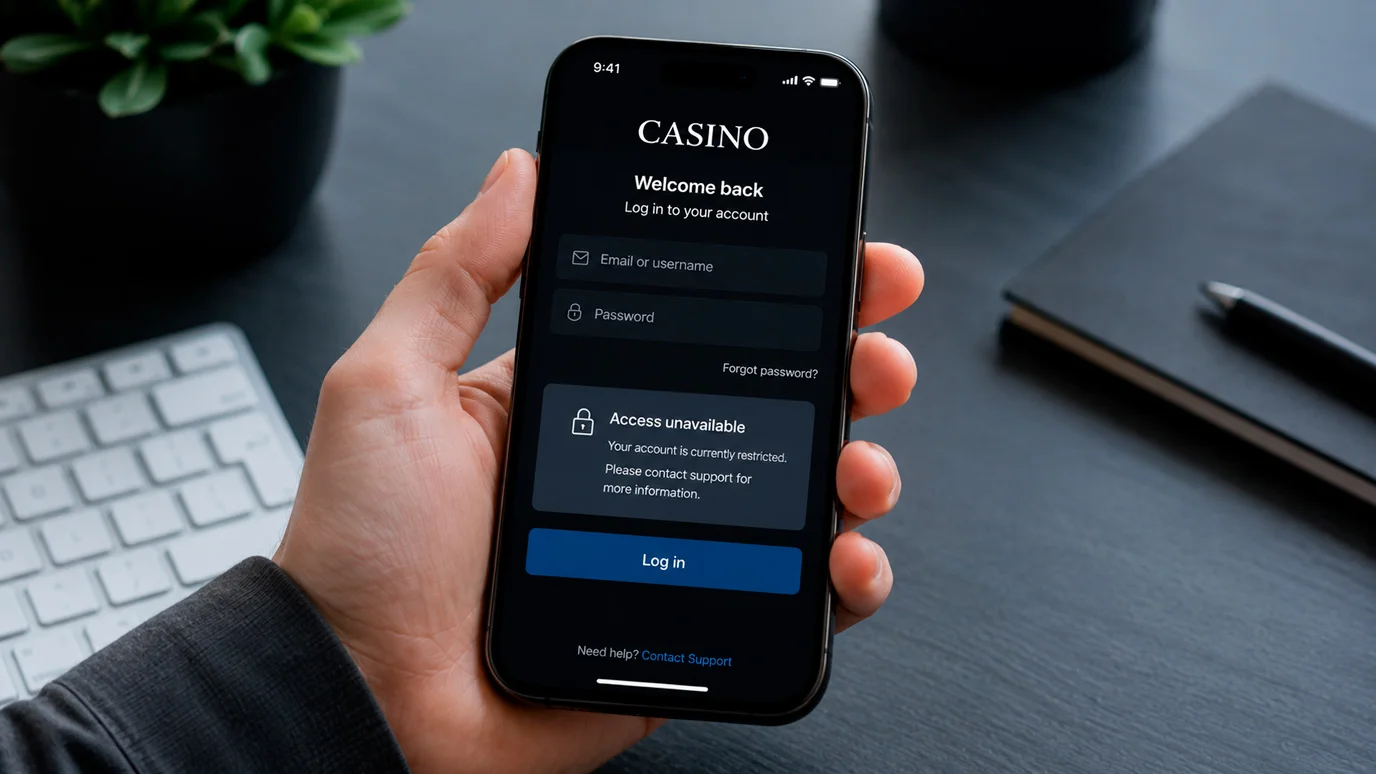
That is the precise scope. Gamstop blocks your access to gambling operators licensed by the UK Gambling Commission — it does not touch your bank, your cards, or your e-wallet, because those are not gambling operators and have no obligation to consult the register. The block lives at the casino door, not in your finances. When you try to log in or sign up at a licensed site during your exclusion period, the site matches you against the register and refuses you. That is the mechanism, start to finish.
And it works. An independent study found that 75% of Gamstop users stopped gambling online — three in four people, which for a voluntary tool is a strong result. The reason it is effective is exactly that it targets the right layer: the point of access. You do not have to police your own wallet or remember to avoid sites, because the sites themselves are obliged to keep you out. The wallet sitting untouched is not a flaw in the system. It is the system working as intended, blocking the gambling and leaving your ordinary financial life alone.
Where Your Wallet Keeps Working
The first time a self-excluded reader emailed me in a mild panic that his Payz account was “still active,” I had to reassure him that this was completely normal and not a sign the block had failed. Your wallet keeps working because it was never the thing being blocked.
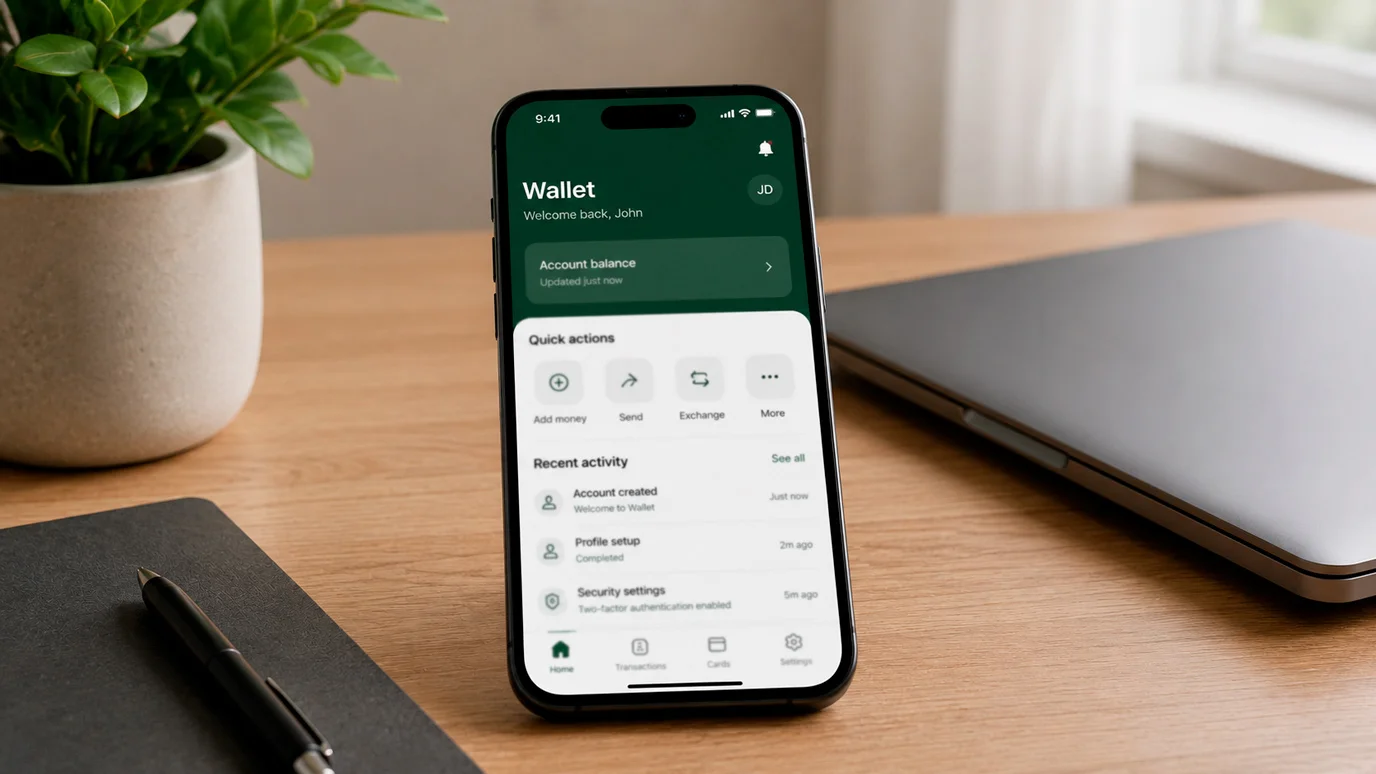
During self-exclusion, the wallet continues to do all the non-gambling things it does for anyone: holding a balance, sending and receiving money, paying for the prepaid card, ordinary transfers. None of that is gambling, so none of it is affected. What changes is the destination — the licensed casinos that would previously have accepted a deposit now refuse you at the door, so the wallet has nowhere licensed to send gambling money even though it can still send money in general.
This is where a real risk hides, and I will not soft-pedal it. Because the wallet still works, an unlicensed offshore site that ignores Gamstop could still accept a deposit from it. That is not a loophole to celebrate — it is the danger zone. Sites that take your money during a self-exclusion period are, by definition, sites outside the UK protections you were relying on, and they carry serious risk that I have set out in detail in the piece on why ecoPayz casinos not on Gamstop carry real risk. The wallet working is fine. The wallet working at a site that ignores your exclusion is the thing to stay well away from.
Using the Wallet as a Spending Control
Here is the reframe I wish more people heard: a wallet that keeps working can be part of your defence rather than a crack in it. Self-exclusion handles the casino side. You can handle the money side, and the wallet is one of the levers.
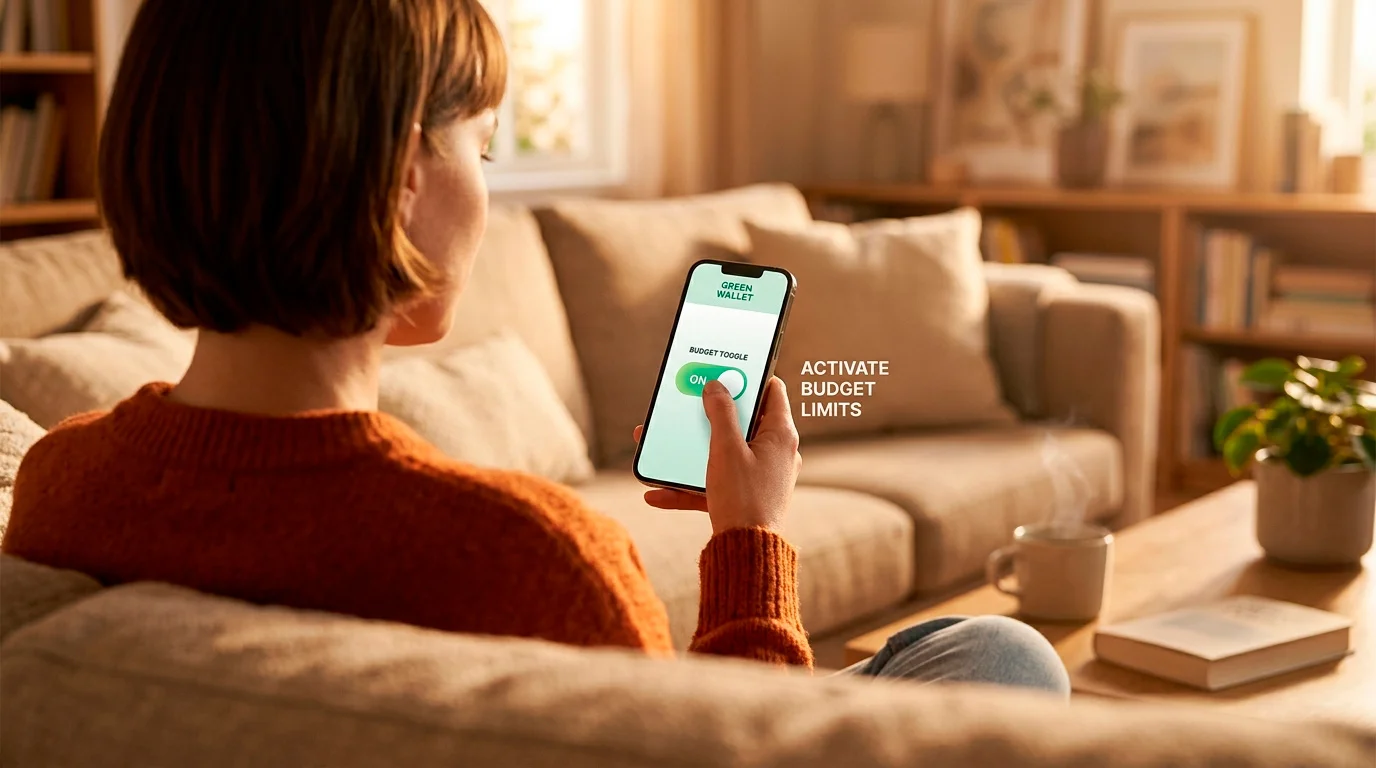
The need for these tools is not going away. Gamstop’s chief executive Fiona Palmer has pointed to “the continued year-on-year growth in registrations” as evidence of “the ongoing and increasing need for effective self-exclusion tools” — and the lesson in that is that exclusion works best as one layer among several. Pairing your Gamstop registration with deliberate control over your wallet builds a second layer. Keep the gambling money out of the wallet entirely. Draw the balance down. Do not leave a funded wallet sitting ready, because readiness is what impulse feeds on.
If you took a break to protect yourself, treat the working wallet as neutral and shape it to support that decision rather than undermine it. Self-exclusion removes the licensed routes; you remove the funded means. Together they are far stronger than either alone. And if a difficult moment comes during your exclusion, the right response is to lean on the support that exists for it — not to test whether the wallet can still reach somewhere it should not. The block on the casinos is doing its job; let the wallet do nothing more than the ordinary work it was always for.
Prepared by the Vaultline editorial staff.