
ecoPayz Account Tiers: Classic, Silver and Gold for Casino Players
 Available in GB
People treat the Payz Classic, Silver and Gold labels like loyalty badges — the kind of thing you earn for spending a lot, with no real consequence beyond bragging rights. They are nothing of the sort. They are rungs on a verification ladder, and the rung you stand on directly controls your limits and your fees at the cashier. For a casino player, your tier is not cosmetic. It is the difference between a payout that clears smoothly and one that hits a wall.
The wallet behind all this — Payz, formerly ecoPayz, run by the FCA-authorised operator PSI-Pay Ltd under registration number 900011 — uses the tiers to manage risk. The more you verify your identity, the more the system trusts you, and the more it lets you do at lower cost. That is the entire logic. A Classic account is a barely-verified account, so it sits under tighter caps and pays higher conversion margins. A Gold account has proven who it is, so it moves more money for less.
If you only ever deposit small amounts and never withdraw much, you may never feel the ceiling. But the moment you have real winnings to take out, the tier you neglected to upgrade becomes the thing standing between you and your money. So this is worth getting right before you need it, not after a big win lands in a balance you cannot fully cash out. Here is how the three tiers actually work, what each one changes at the casino, and how to climb.
ecoPayz Classic, Silver, and Gold Tier Limits and Features
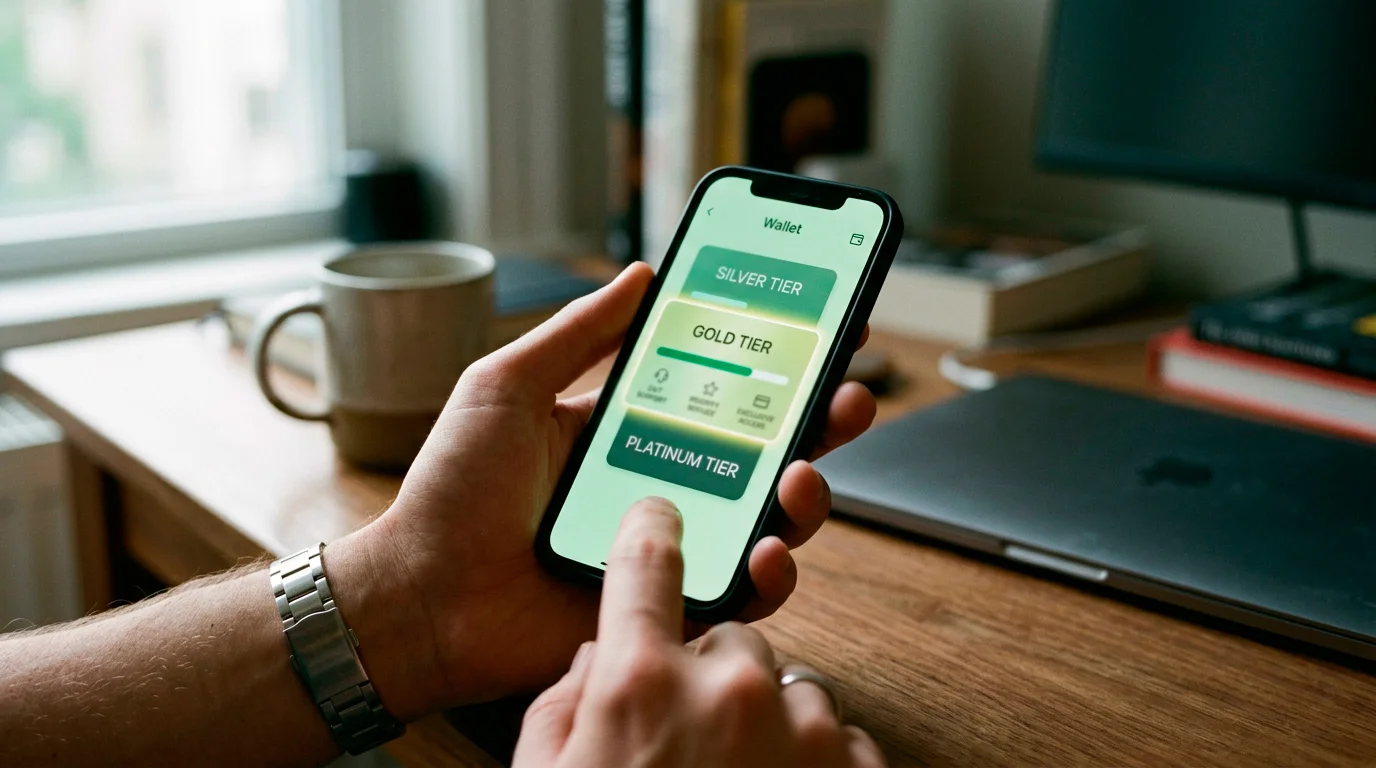
The cleanest way to picture the tiers is as three levels of “how well does this wallet know you.” Classic is the wallet at arm’s length, Silver is the wallet having checked your basics, and Gold is the wallet having fully confirmed your identity and address. Each step up lifts limits and trims fees.
| Tier | Verification | Effect on cost and limits |
|---|---|---|
| Classic | Minimal — entry level | Tightest limits; full conversion margin of 2.99% |
| Silver | Basic identity checks | Higher limits; peer-to-peer transfers at 1.5%; conversion still 2.99% |
| Gold | Full identity and address verification | Highest limits; peer-to-peer transfers free; conversion margin halved to 1.49% |
The fee numbers are the part that makes the ladder concrete. On Classic and Silver, a currency conversion costs 2.99%; on Gold it drops to 1.49%, exactly half. A peer-to-peer transfer is 1.5% on Silver and free on Gold and above. Those percentages do not sound dramatic until you are moving real money repeatedly, at which point the gap between Silver and Gold compounds into something you notice on a statement. The tiers, in other words, are a fee schedule wearing the costume of a status programme.
What Your Tier Changes at the Cashier
I once watched a player on a Classic account win a tidy sum and then discover, at the worst possible moment, that his wallet’s limits would not let him pull the whole amount through in one go. The money was his. The casino had released it. The wallet’s tier cap was the bottleneck. That scenario is exactly why I tell people to sort their tier before they need it.

At the cashier, your tier shows up in two ways. The first is the limit on how much you can move in a given window — deposits and especially withdrawals — which rises as you climb. A big casino payout can collide with a low-tier ceiling, forcing the money out in instalments or stalling it until you upgrade. The second is cost: every conversion you trigger on a lower tier carries the full 2.99% margin, so a Classic player gambling across a currency boundary pays twice what a Gold player pays for the identical movement.
The upshot for casino play is that your tier and your withdrawal experience are joined at the hip. Payout speed, payout size and payout cost all flex with the rung you are on, and the wallet limit is one of several reasons a withdrawal can run slower than you expect. The other reasons sit on the casino’s side, and I have mapped the whole timeline — wallet caps included — in the guide to ecoPayz casino withdrawals and payout times. The single thing to take away here is that an unverified wallet is a self-imposed cap on your own winnings.
Climbing From Classic to Gold
Upgrading is not a reward you wait to be granted — it is a verification process you choose to complete, and it is mostly about handing over documents the wallet can confirm. Identity proof, address proof, the usual checks. Nothing exotic, and nothing that should feel intrusive, because it is the same identity verification any regulated financial product requires.

It helps to see why this verification is not a hoop for hoops’ sake. The UK gambling regulator has built its entire approach around knowing who is in the market and how they behave — its chief executive Andrew Rhodes calls the flagship player survey “a key building block of the evidence base,” and that evidence-first instinct runs all the way down to the individual level, where confirmed identity is what lets both wallets and casinos protect people and pay them reliably. Verifying your Payz tier is the personal version of that same principle: a confirmed account is a safer, faster account.
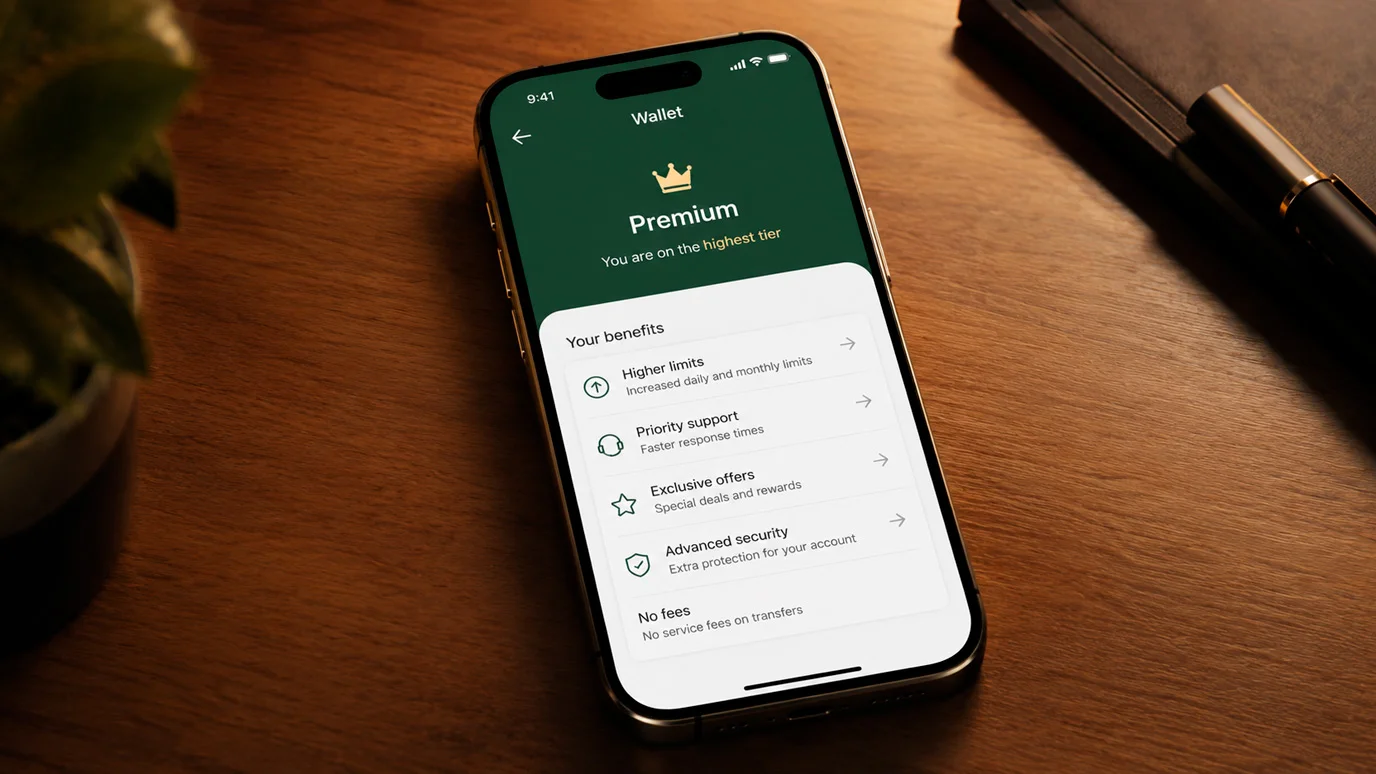
Practically, climb to at least Silver early, and to Gold before you expect any sizeable withdrawal. Do the verification when the account is calm, not when a payout is sitting in pending and the clock is running. The whole point of sorting your tier in advance is that the upgrade then becomes invisible — by the time a big win arrives, your wallet already knows you, the limits are already raised, and the fees are already halved.
Published by the Vaultline team.