
ecoPayz Casino Minimum Deposit: How Low Can You Go?
 Available in GB
The minimum deposit at an ecoPayz casino is not set by ecoPayz. That single fact clears up most of the confusion I see from budget-conscious players, who tend to assume the wallet imposes some floor on how little they can put down. It does not. The casino sets the minimum, the wallet just carries the money, and those are two different limits that people keep stacking on top of each other.
There is a separate question hiding underneath: before you can deposit anything at a casino, your Payz wallet needs to hold at least that much. So there can be a wallet top-up minimum and a casino deposit minimum, and they rarely match. You might fund the wallet in one chunk and then make several smaller casino deposits from it, each governed by the casino’s own threshold. Keeping those two numbers separate in your head is the whole skill here.
This matters more in 2026 than it used to, because the UK market has tilted toward tighter, more responsible play. Average monthly active gambling accounts actually slipped about 2% to 12.7 million in the most recent quarter, and the regulatory mood is firmly about playing within limits rather than chasing big sessions. A low minimum deposit is not just a convenience for a tight budget — it is increasingly the sensible default. Below I will explain who sets the number, what you will realistically see at UK sites, and how a small deposit fits the responsible-play floor that now shapes the whole market.
Who Actually Sets the Minimum
Think of the wallet as the courier and the casino as the shop. The courier does not decide the smallest parcel the shop will accept — the shop does. Payz moves whatever you tell it to move; the casino decides the smallest deposit it will process.

That division is why two casinos accepting the same wallet can have completely different minimums. One licensed site might let you deposit from a few pounds, another might insist on more, and Payz treats both identically because the limit was never the wallet’s to set. What the wallet does control is its own economics — the small transfer and conversion fees that make tiny movements proportionally more expensive. A peer-to-peer transfer at 1.5% on a Silver account is trivial on £50 and almost insulting on £5, and a currency conversion margin of 2.99% on a lower tier eats a larger slice of a small deposit than a large one. So while the wallet does not stop you depositing a little, the percentage costs do quietly punish micro-deposits if your currencies do not line up.
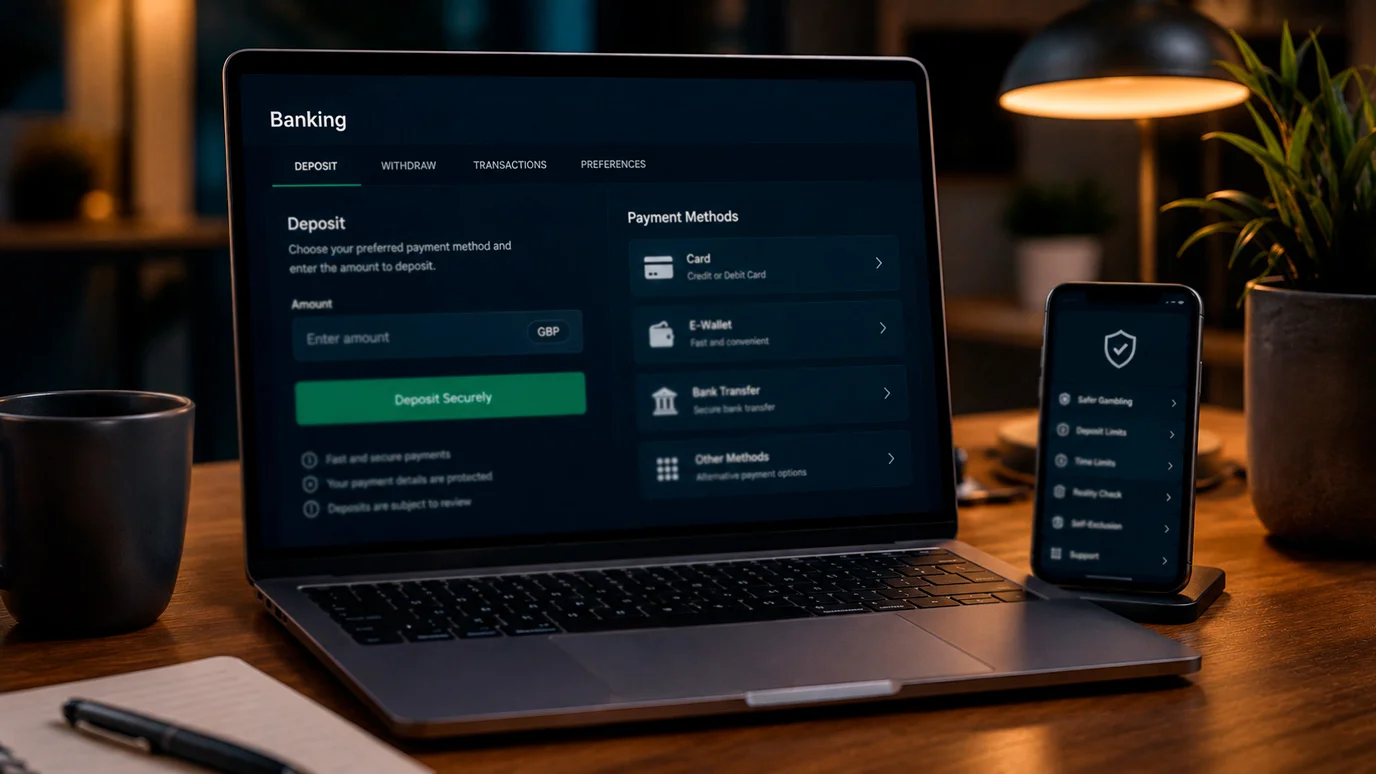
The practical reading: the casino’s banking page is where the real minimum lives, and you should check it before you fund the wallet, not after. Fund the wallet once, comfortably above the casino’s floor, and you avoid both the rejected-deposit annoyance and the disproportionate fee bite of repeatedly shuffling tiny amounts.
The Thresholds You Will Typically See in the UK
I have funded test deposits across more UK cashiers than I can count, and the honest summary is that the market clusters tightly. Most licensed Payz casinos set their minimum deposit at a low, round sterling figure — commonly around the ten-pound mark, sometimes lower, occasionally a touch higher for certain promotions or VIP tiers.

What you almost never see at a UK-licensed site is a high deposit floor designed to extract a big initial commitment. The regulatory environment discourages it, and the competitive one does too: a casino demanding a large minimum is handing its rivals the budget player. So if you encounter an unusually steep minimum, treat it as a small flag worth a second look at the rest of the cashier.
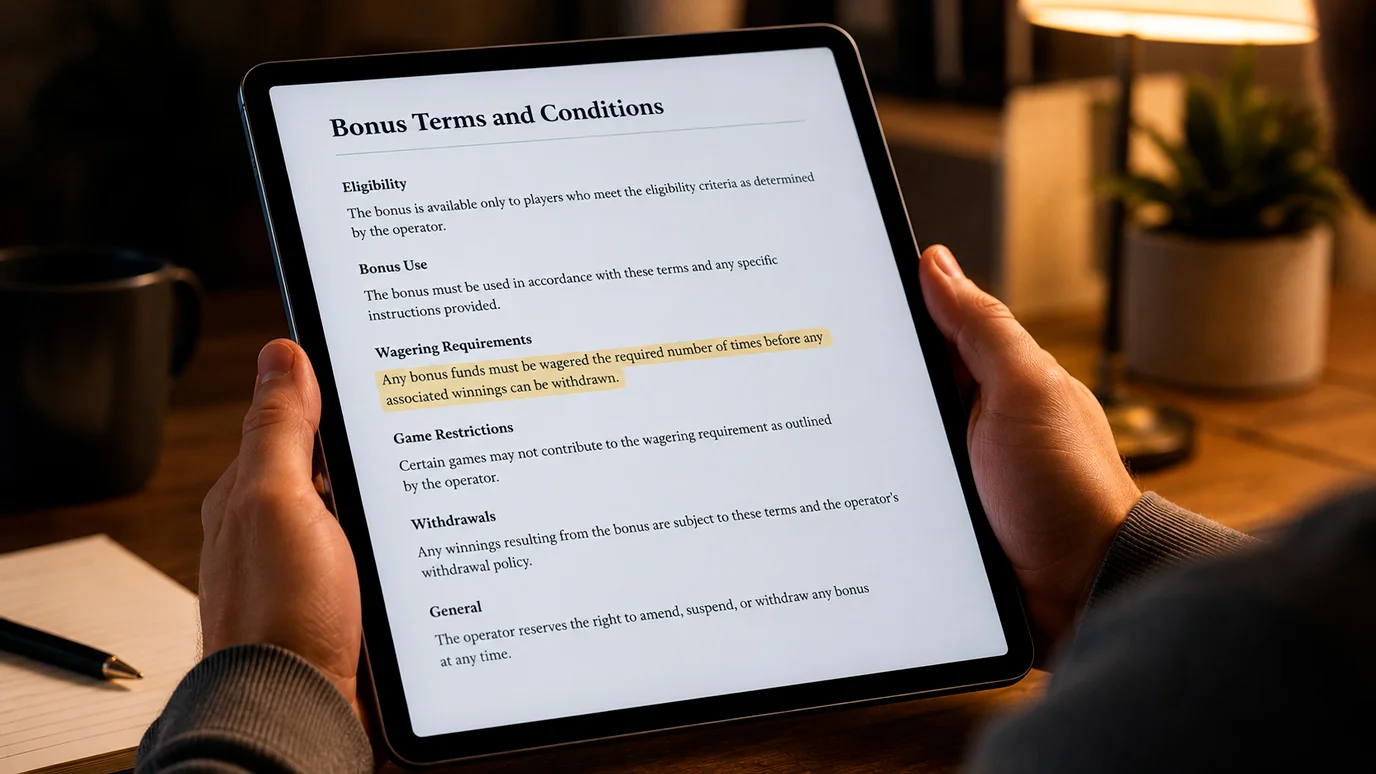
The number that genuinely varies is not the deposit minimum but the bonus-qualifying minimum, and those are different beasts. A casino might accept a five-pound deposit happily while requiring a larger amount to unlock a welcome offer — and Payz deposits are excluded from many of those offers entirely, which catches people out. That exclusion is common enough that I have written about it separately, because it changes the maths of a small deposit; you can read how it works in the breakdown of whether ecoPayz deposits qualify for UK casino bonuses. For plain play without a bonus, though, the deposit minimum is low and friendly almost everywhere that takes the wallet.
Small Deposits and the New Responsible-Play Floor
Here is a number that reframes the whole “how low can I go” question: the average stake on a UK online slot is about £0.60. Sixty pence. The image of high-rollers slamming down huge spins is mostly fiction — the typical player is wagering small, and the rules now formalise that.

That average sits underneath the stake limits the UK introduced through 2025, capping online slot spins at £5 for most adults and £2 for younger players. The point is that a casino session built on a low deposit is not a compromise forced by a tight budget — it is the shape of play the entire framework now assumes. If your slot stakes average well under a pound, a ten-pound deposit is not a starter amount, it is a real session.
So I would flip the usual framing. The interesting question is not how little a casino will let you deposit, but how a small deposit functions as a built-in spending control. Funding your wallet with only what you intend to lose, depositing modest amounts, and topping up deliberately rather than on impulse is exactly the discipline the regulator is nudging the market toward. A low minimum deposit at a Payz casino is the friend of that discipline, not the enemy of a good night. Decide your number before you fund, deposit at or near the minimum, and let the small figure do some of the self-control work for you.
Written by the editors at Vaultline.