
ecoPayz vs Trustly at UK Casinos: Stored Balance or Open Banking
 Available in GB
Trustly confuses people, and I understand why. It shows up at the cashier looking like another e-wallet, sitting in the same list as Payz and the rest, so players reasonably assume it works the same way. Then they go looking for their Trustly balance and find there isn’t one. That is the moment the penny drops that these two are not the same kind of animal at all.
Payz is a stored-balance wallet — you hold money in it, and you pay from that pot. Trustly is an open banking rail — it authorises a payment straight from your bank account in real time, with no balance to store. They occupy the same slot on the cashier screen and solve the same surface problem, but the machinery underneath is completely different, and that difference decides which one suits you.
So rather than crown a winner, I want to make the distinction concrete, because choosing between them without understanding it is how players end up frustrated. Stored balance gives you separation and a held budget. Open banking gives you directness and nothing to top up. Below I will take each model in turn, then help you work out which one matches the way you actually move money.
The Stored-Balance Model, and Why It Persists
Start with the model you already half-know. A stored-balance wallet like Payz means you load money into it first, and then spend from that held balance — the same way a prepaid account or a gift card works. The float sits with the wallet until you deploy it.
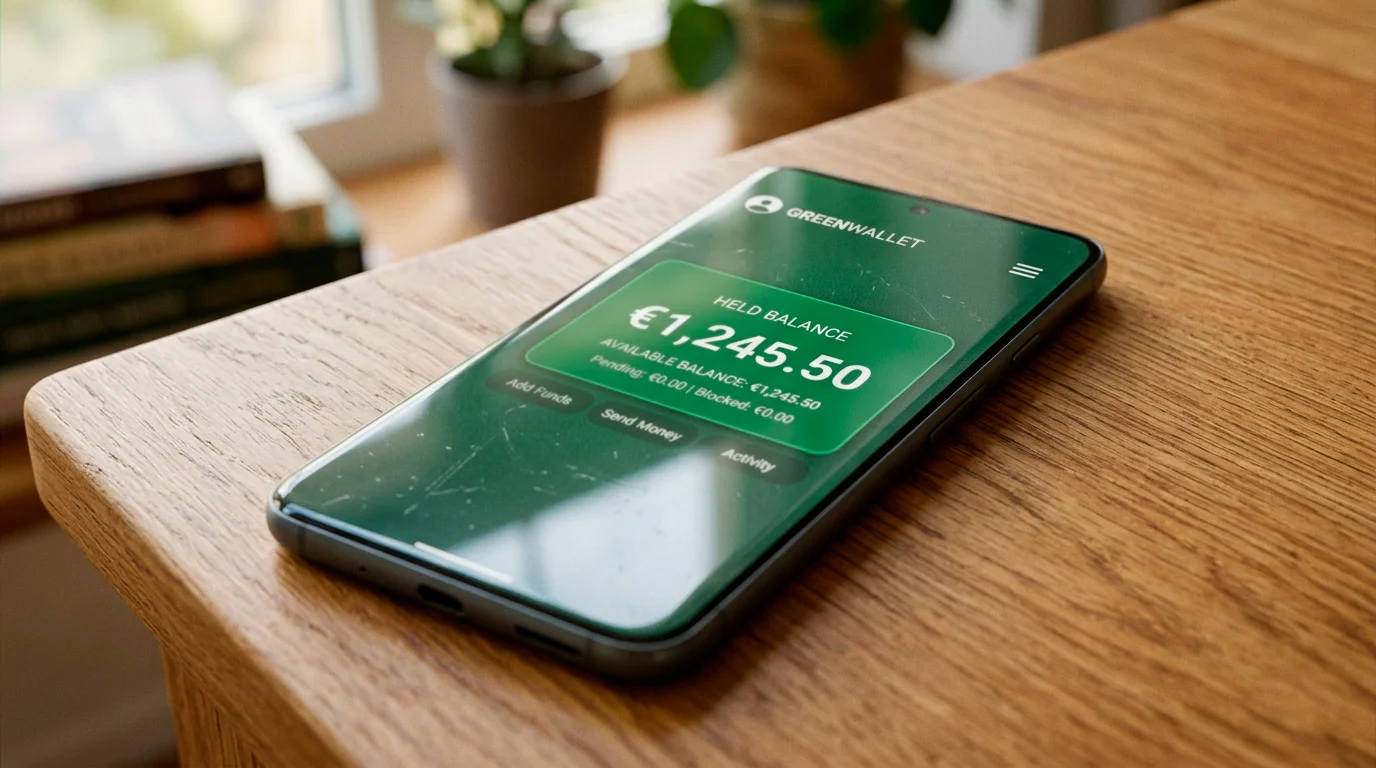
That design is not a relic; it is the source of the wallet’s particular advantages. Because the money is already separated into the wallet, you get a ring-fenced gambling budget by default and a main bank statement that shows only top-ups rather than individual casino transactions. Payz runs this on regulated foundations — PSI-Pay Ltd, FCA-authorised under registration number 900011, holding customer funds in safeguarding accounts protected even in insolvency — and supports more than fifty currencies including GBP, so a UK player can hold sterling and spend it directly. The held balance is what makes all the separation and budgeting tricks possible. Open banking, by design, has no held balance to work with, so it cannot offer any of that.
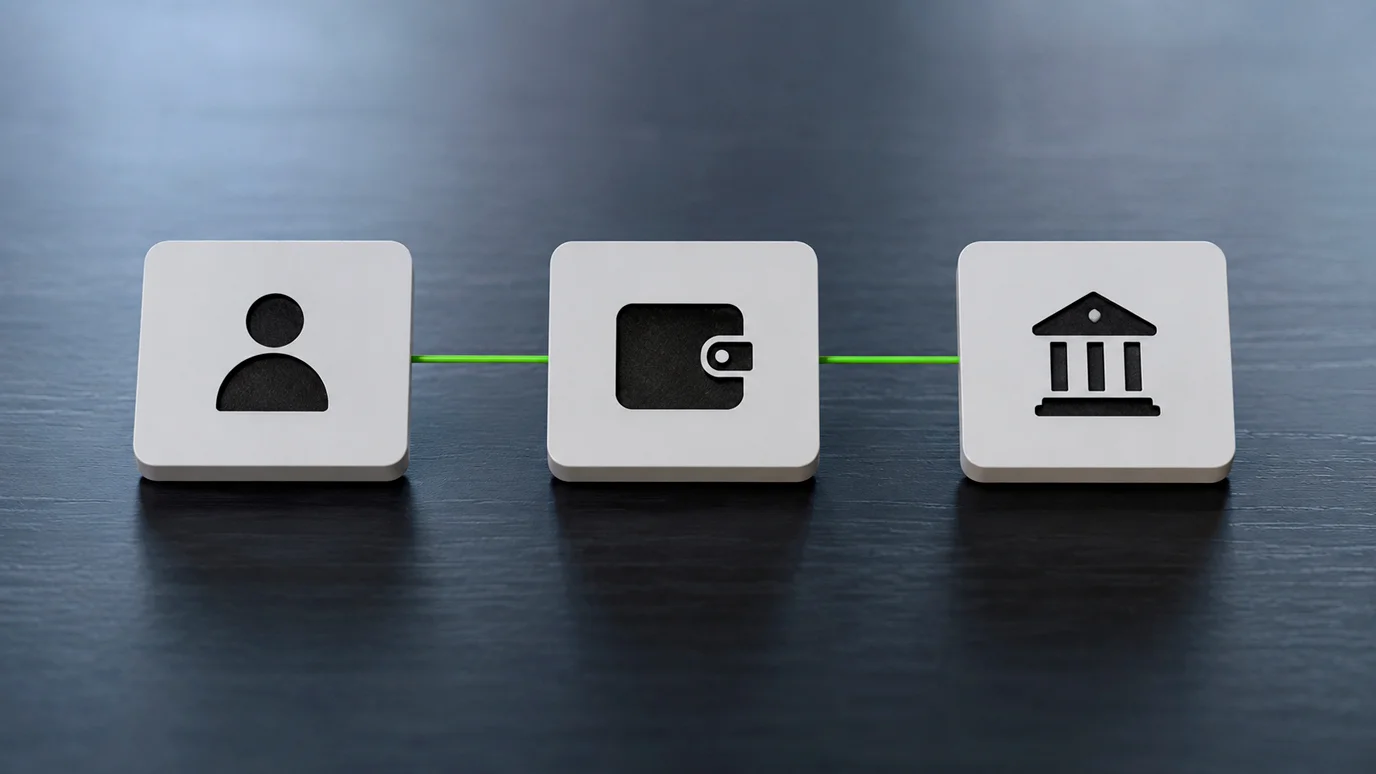
The cost of the stored model is the obvious one: you have to keep the wallet funded, which is an extra step and an extra place your money lives. For players who value the separation that is a price worth paying. For players who just want money to move with the fewest moving parts, it is friction they would rather skip — and that is exactly the gap open banking fills.
Best casino sites in the UK
- BeOnBetBonus: 100% up to €500 + 100 FS · Payout speed: 1-3 business days
- EvoSpinBonus: 125% up to €2500 + 125 Free Spins · Payout speed: 1-3 business days
- BritsinoBonus: Welcome Package – Get your £2,200 + 2,000 FS · Payout speed: 1-3 business days
- Revery PlayBonus: 100% up to€1,000+ 100 FS · Payout speed: 1-3 business days
- SlotoSportBonus: 500% up to £ 10 200+ 777 FS · Payout speed: 1-3 business days
- ZombillionBonus: Welcome Pack 250% up to £4000 + 200 FS · Payout speed: 1-3 business days
Open Banking’s Directness, and Its Limits
Now the newer model. Trustly is built on open banking, which means when you pay, it connects securely to your bank, confirms the funds and pushes the payment straight through — no stored balance, no wallet to top up, just your bank account talking to the casino through an authorised intermediary in real time.
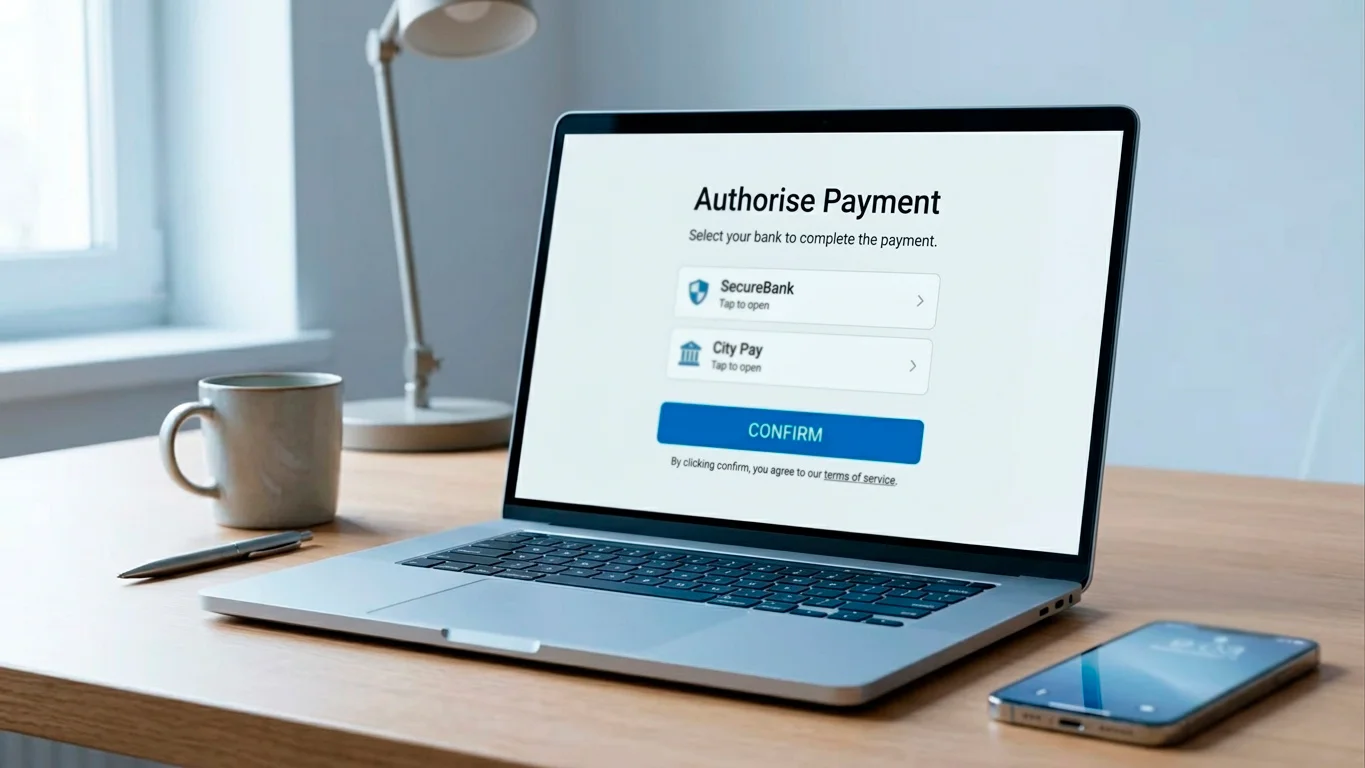
The appeal is immediacy and simplicity. There is nothing to pre-fund, no float sitting idle, and the payment draws on money you demonstrably hold at the moment of paying. It rides the same wave that has made digital payments dominant — mobile wallets and account-to-account methods together now handle a majority of global online transactions, around 53% in 2024, and the sector treats payment experience as a competitive front rather than back-office plumbing. One industry figure described the strategy as “continuing to sharpen our focus on experience-driven commerce,” which is precisely the niche open banking targets: fewer steps, less stored value, more directness. For a player who hates maintaining balances, that is genuinely attractive.
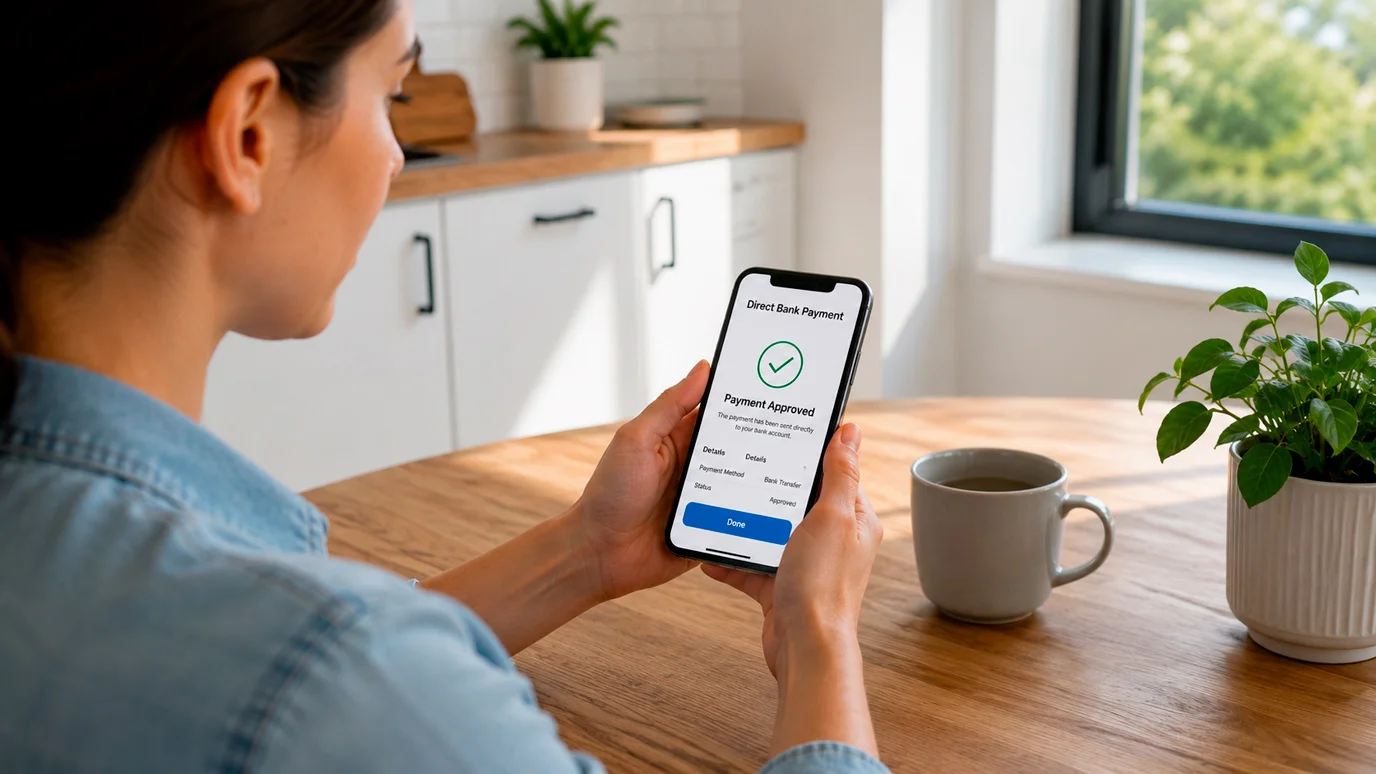
But the directness that makes open banking elegant is also what it cannot escape. Without a stored balance, it gives you no ring-fenced budget, no buffer between bank and casino, and a main statement that records each payment rather than a single top-up. It is closer to a fast, smart bank transfer than to a wallet, and it inherits the bank transfer’s footprint trade-off. You get speed and simplicity; you give up separation.
Reading Your Own Habits to Decide
The choice writes itself once you are honest about what you want money to do. Ask whether you would rather hold a gambling pot apart from your bank, or move money directly with nothing to maintain — that single question sorts most players cleanly into one camp or the other.
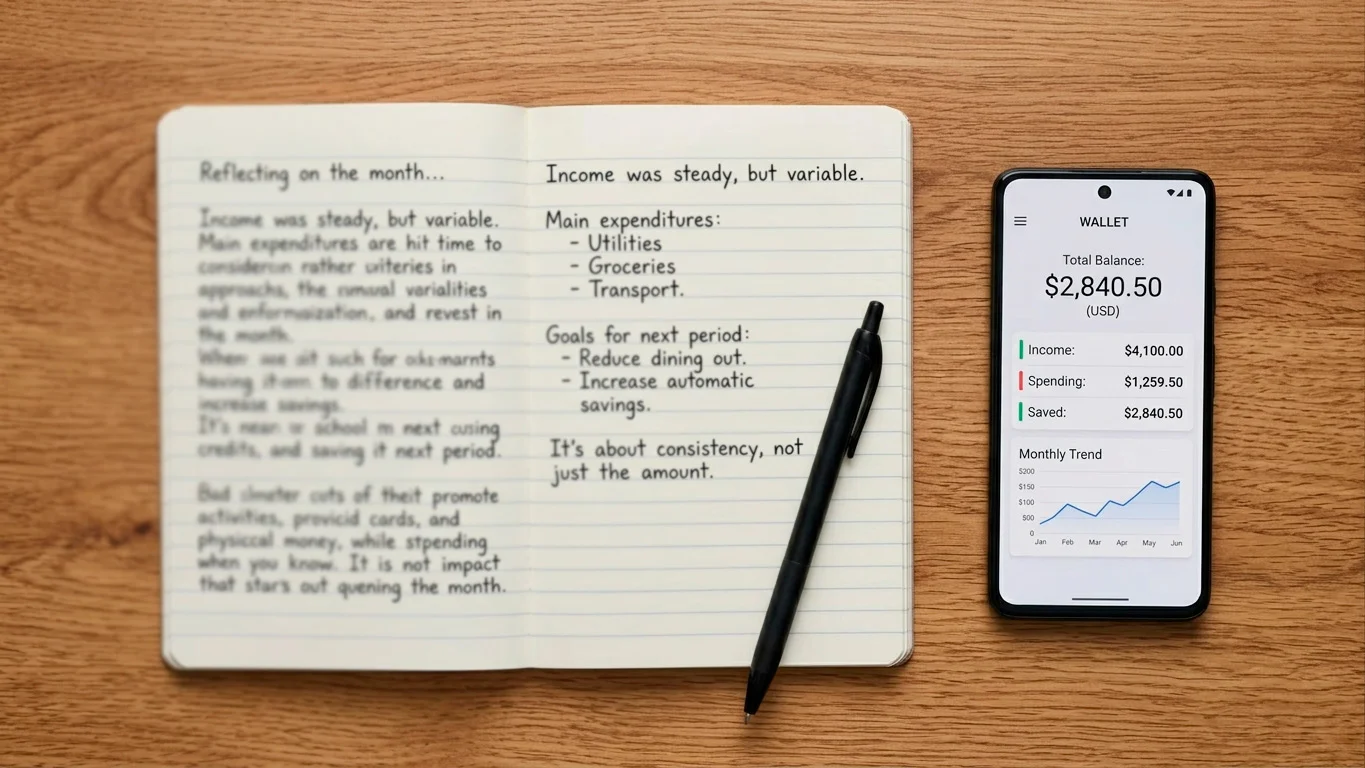
If you want a separated, pre-funded budget, a clean main statement and a buffer between your account and the casino, the stored-balance wallet is the right fit and Trustly’s lack of a balance will frustrate you. If you would rather not maintain a float at all and value paying directly from verified bank funds in real time, open banking suits you and the wallet’s top-up step will feel like needless overhead. There is no universally correct answer — only a match between the model and your tolerance for either maintaining a balance or exposing each transaction.
If the held-balance, separated-pot approach is what you lean toward, the wider field of stored-balance wallets is where the real comparison lives — Skrill and Neteller sit alongside Payz in that category, and I weigh all three in the breakdown of ecoPayz versus Skrill and Neteller. Trustly, for all that it shares a slot on the cashier screen, is really competing in a different category entirely, and judging it against a wallet on wallet terms does it no favours.
Created by the "Vaultline" editorial team.