
ecoPayz Prepaid Mastercard: Getting Casino Winnings Off Your Wallet
 Available in GB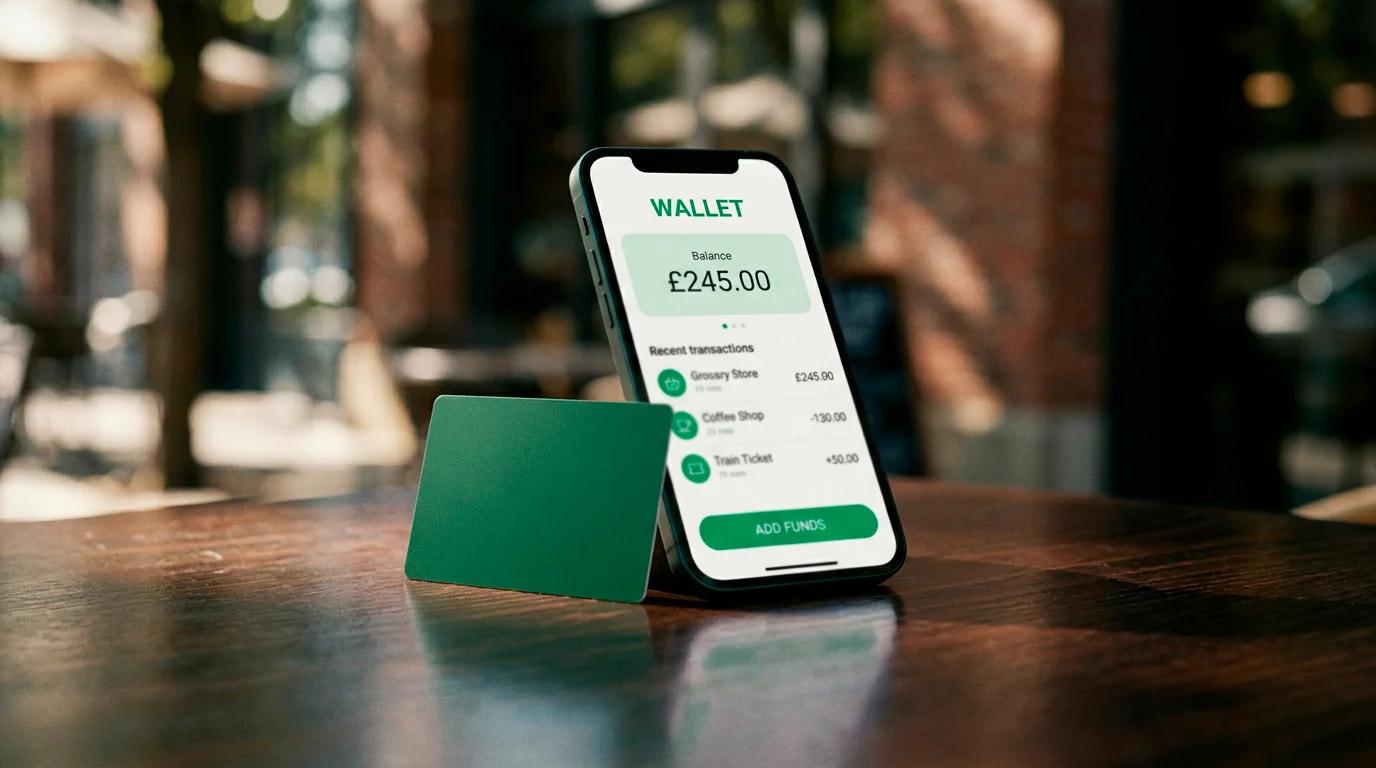
Winning is the easy part. Getting the money out of the wallet and into your actual life is where players quietly get stuck. A casino pays your winnings into Payz — still called ecoPayz on plenty of cashiers — and there they sit, a balance you cannot spend at the supermarket or feed into a cash machine. The prepaid Mastercard is the bridge across that last gap, the “last mile” between a wallet number and money you can use.
I want to be precise about what this card is and is not, because people muddle it with the deposit side. The Mastercard is not a way to gamble. It is a way to spend the winnings that have already landed in your wallet. It turns a digital balance into a physical payment instrument — tap it in a shop, pull cash from an ATM, buy something online — without first routing the money back to your bank and waiting. For a player who cashes out regularly, that convenience is the whole appeal.
It is also not a fringe novelty bolted on recently. The wallet’s tie-up with Mastercard for prepaid cards dates back to 2009, the year after the FCA recognised the underlying service as a safe platform in 2008. So this is a mature, long-standing piece of the product, not an experiment. Below I will set out exactly what the card does, how you get and use one, and the fees and limits that decide whether it is worth holding for your particular pattern of play.
Before attempting to cash out your winnings via an ATM, remember to comply with the closed-loop withdrawal policy enforced by UKGC-licensed sites.
What the Card Actually Does
The simplest way to understand the card is to think of your wallet as a current account and the Mastercard as the debit card attached to it. The balance lives in the wallet; the card just gives you a physical way to reach it. Spend on the card and the money comes straight out of your Payz balance.
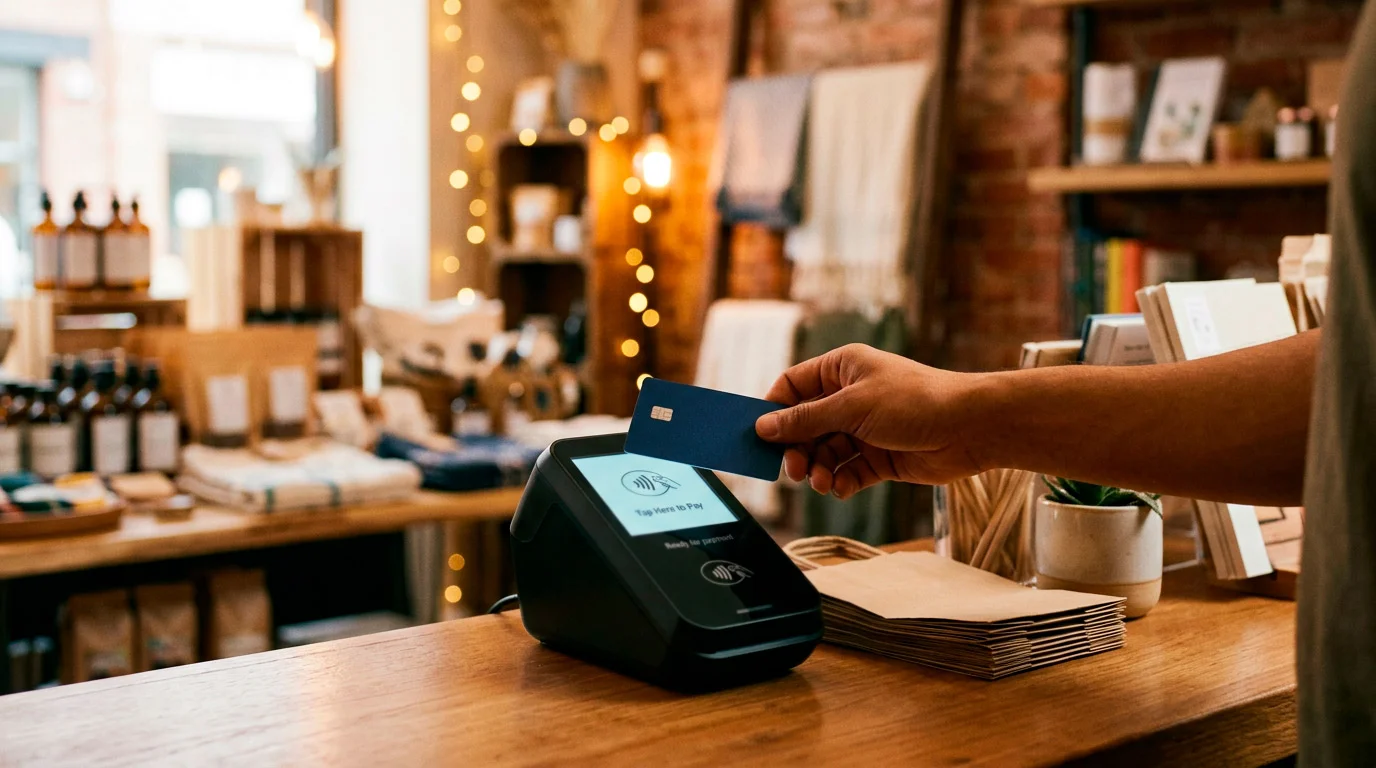
That linkage is the entire point. Casino winnings flow into the wallet, and the card lets you treat those winnings as ordinary money — Mastercard is accepted almost everywhere, so a balance that was trapped in a niche e-wallet suddenly works at any till or online checkout that takes a card. You also get ATM access, turning the balance into cash when you want it. The convenience is real: no separate bank transfer, no waiting for funds to clear into a current account before you can use them.
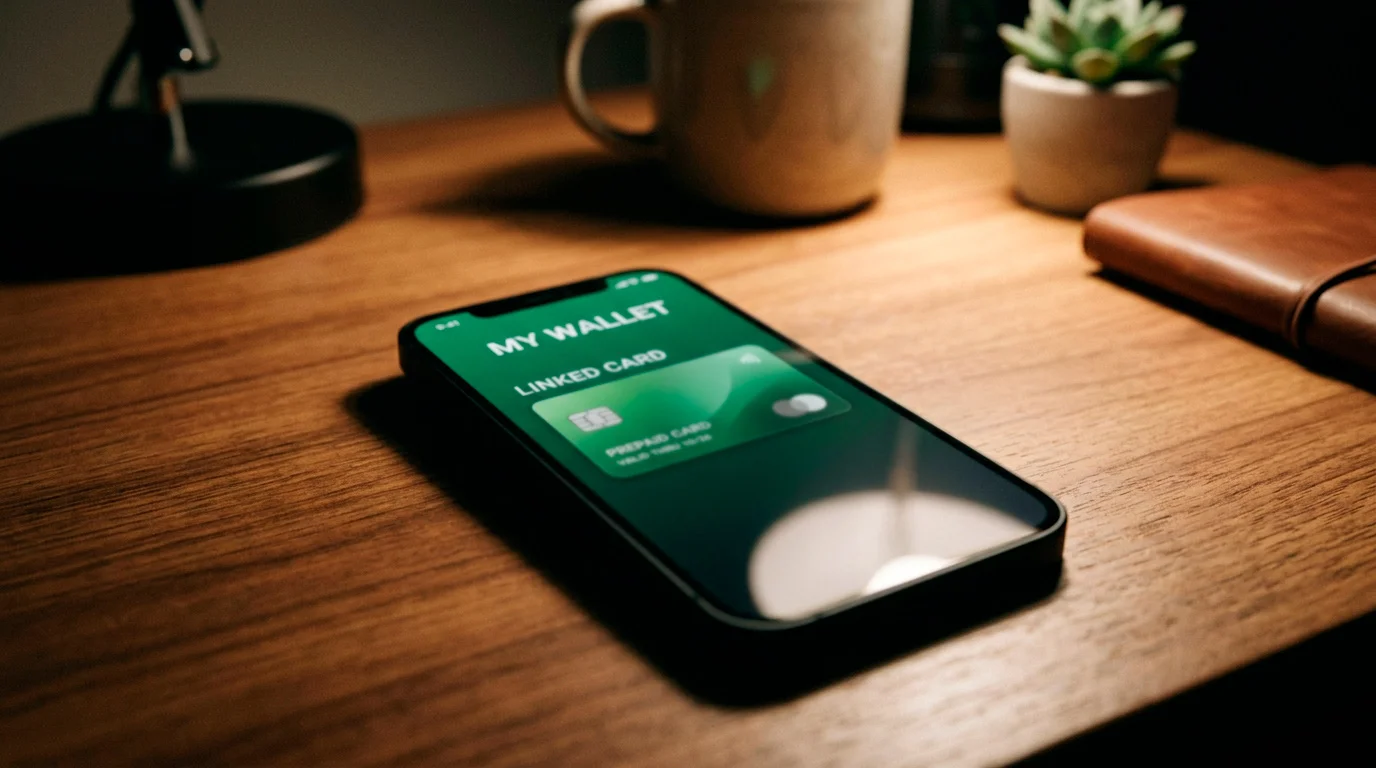
The reassurance underneath the convenience is the regulated, established nature of the arrangement. This is not a balance sitting on some unaccountable platform — the service has been recognised as safe by the FCA since 2008, and the Mastercard partnership has run since 2009. So the card you are spending casino winnings on is backed by a long-standing, regulated relationship, not a hastily-issued bit of plastic. For a player who wants winnings they can actually touch rather than a number on a screen, that combination of broad acceptance and regulatory grounding is what makes the card worth a look.
Getting the Card and Putting It to Work
The first thing I check when someone asks about the card is their verification status, because a prepaid Mastercard tied to a regulated wallet is not something handed to an unverified account. You order it through your Payz account, and the issuing and activation process leans on the same identity checks that govern your tier. A barely-verified account is not the right starting point for a physical card carrying your name.
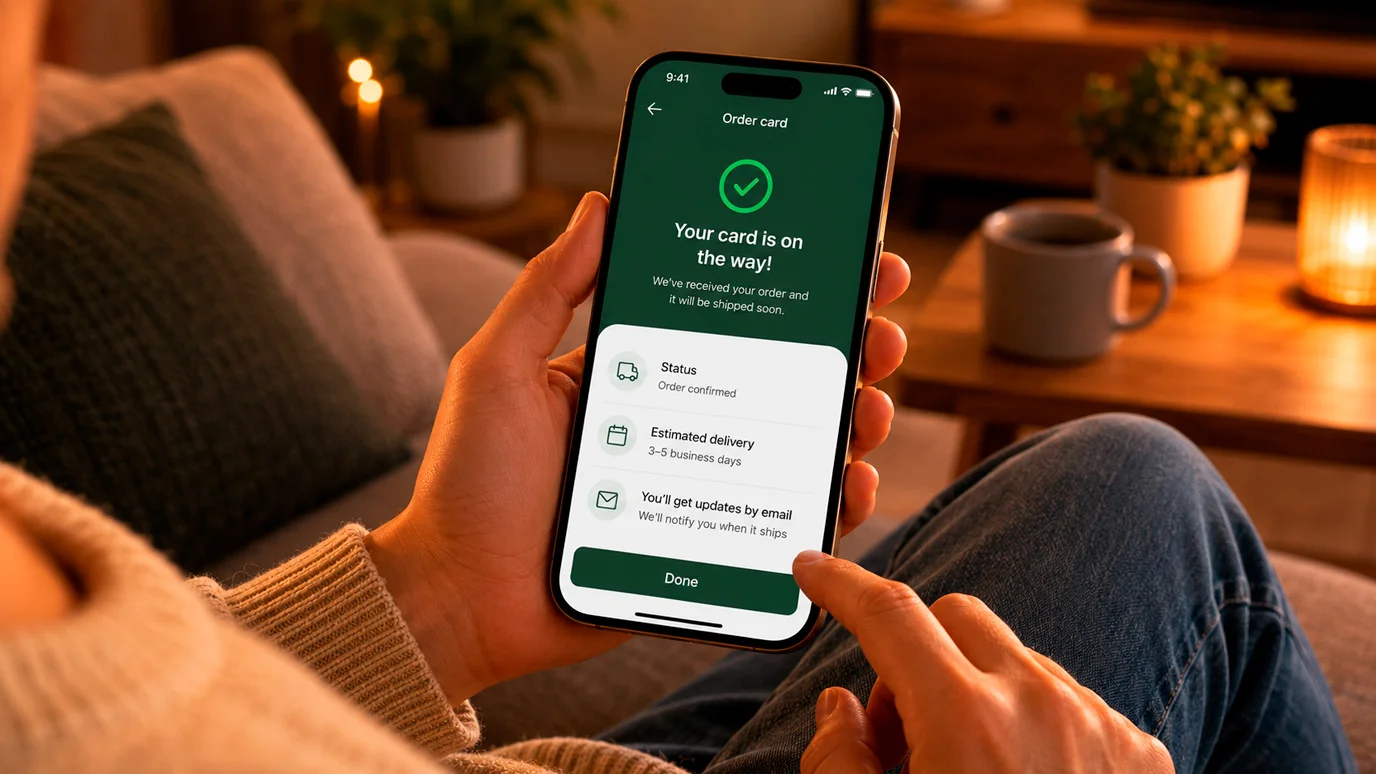
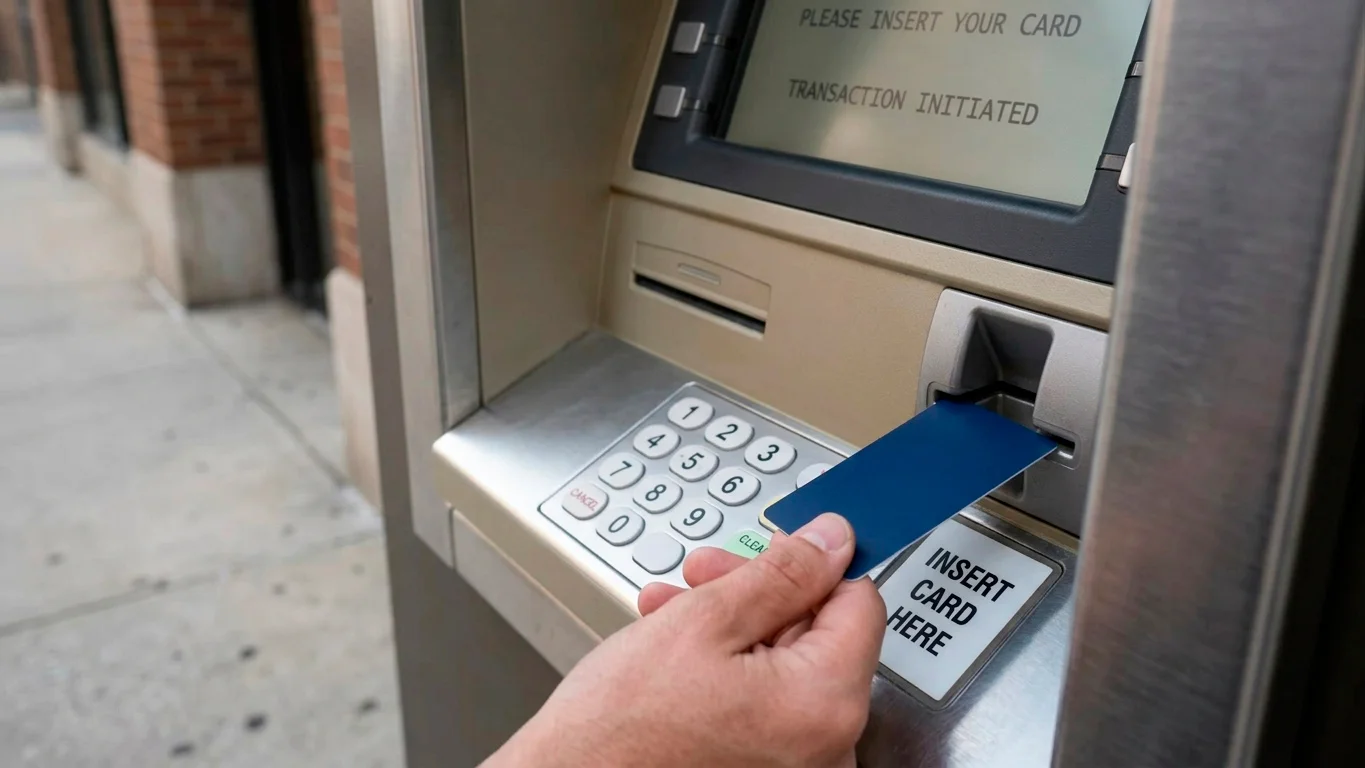
Once issued, the card draws directly on your wallet balance, so “loading” it is really just a matter of having winnings sitting in Payz. There is no separate top-up dance for the card itself — the wallet is its funding source. Use it like any debit card: in-store payments, online purchases, and cash withdrawals at ATMs that accept Mastercard. The experience is deliberately ordinary, which is the point.
What I would flag is the discipline angle. Because the card makes winnings instantly spendable, it removes the small friction of a bank transfer that otherwise gives you a pause before you reach the money. For most people that is pure convenience. For a few, that friction was doing useful work, slowing down impulse spending of a win. Only you know which camp you are in. Set up alongside the card, it is worth understanding the wider cost picture of moving money through the wallet, because the card’s charges are part of a broader fee structure I have broken down in the guide to ecoPayz casino fees. Knowing the full picture stops the card from quietly nibbling at the winnings it is meant to deliver.
The Card’s Fees and Limits
Here is the honest trade-off with any prepaid card: convenience has a price, and the price shows up in two places — fees and limits. Neither is a dealbreaker, but both are worth knowing before you decide the card earns its place in your wallet.
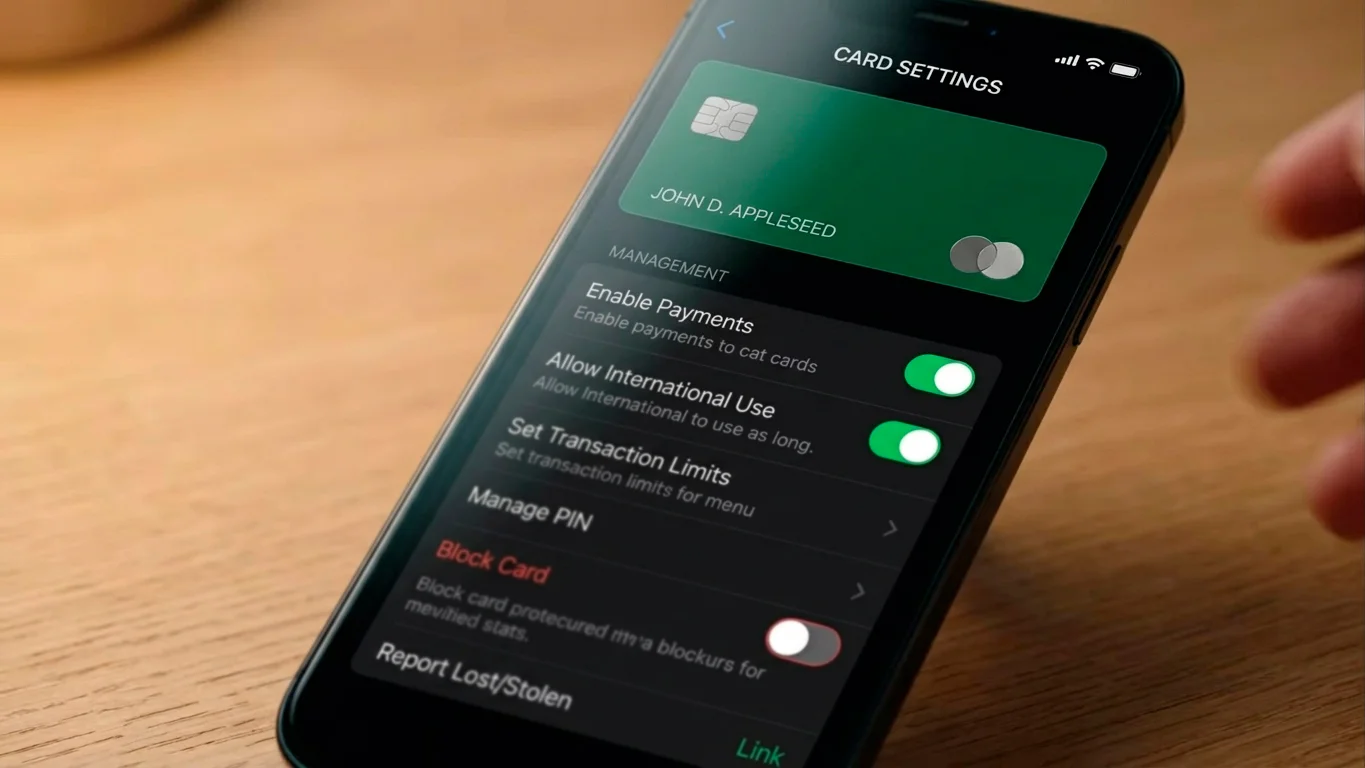
On fees, the card sits inside the same tier-linked pricing as the rest of the wallet. Currency conversion is the one to watch: if you spend in a currency different from your balance, the wallet applies its conversion margin of 2.99% on lower tiers, dropping to 1.49% on Gold. So a UK player holding GBP and spending in pounds avoids that margin entirely, while the same card used abroad or in a foreign-currency online shop quietly converts at the wallet’s rate. ATM withdrawals and card maintenance can carry their own charges too, which makes the card cheaper the more your spending matches your balance currency.
Enjoy seamless card functionality and rapid payouts when playing at the best Payz online casinos operating legally in Britain.

On limits, the card inherits your account’s caps. A higher verification tier means higher spending and withdrawal limits, the same way it lifts your wallet limits. For someone cashing out modest, regular winnings in GBP and spending them domestically, the card is close to frictionless. For someone moving large sums or spending across currencies, the margins and caps add up, and a plain bank transfer out of the wallet may cost less. Match the card to your pattern — same currency, sensible tier, domestic spending — and it does its one job well: turning a stuck balance into money you can actually use.
Created by the "Vaultline" editorial team.