
ecoPayz Casino Fees: What You Actually Pay
 Available in GB
Most of the angry messages I get about ecoPayz fees are aimed at the wrong target. A player tops up, deposits, plays, withdraws, notices the numbers do not quite add up, and blames the casino. Half the time the casino took nothing at all. The charge came from the wallet — ecoPayz, now Payz — and the two are completely separate ledgers that players keep mashing into one.
So before we touch a single figure, draw the line that the rest of this piece depends on. There are wallet-side fees, which Payz sets and collects regardless of where you spend the money, and there are casino-side fees, which an individual operator may or may not add. They are billed by different parties, for different reasons, and they behave differently. Confuse them and you will spend your time complaining to the wrong support desk.
The wallet’s own pricing is mostly small and mostly predictable: a peer-to-peer transfer fee, a currency-conversion margin that shrinks as you climb the account tiers, and a quiet monthly charge if you leave the account idle. The casino’s pricing, where it exists, is its own decision. And then there is the cost almost nobody budgets for, because it never shows up as a “fee” line at all — the foreign-exchange margin you eat when your wallet and the casino disagree about currency. That last one is where Payz players in the UK lose the most money without realising it, so it gets its own section at the end.
The Fees That Belong to the Wallet
I keep a Gold-tier Payz account precisely because the tier system is a fee system in disguise, and once you see that, the whole price list makes sense. Payz does not charge a flat rate to everyone. It charges less the more verified you are, which is the wallet’s way of rewarding accounts it trusts.

The headline numbers are worth committing to memory. A peer-to-peer transfer runs at 1.5% on a Silver account and drops to free on Gold and above. Currency conversion — the big one — sits at 2.99% on Classic and Silver, then halves to 1.49% once you reach Gold. And there is an inactivity charge of €1.50 a month that lands on accounts left dormant, which is the fee most casino players forget exists because it only appears when you stop using the wallet.
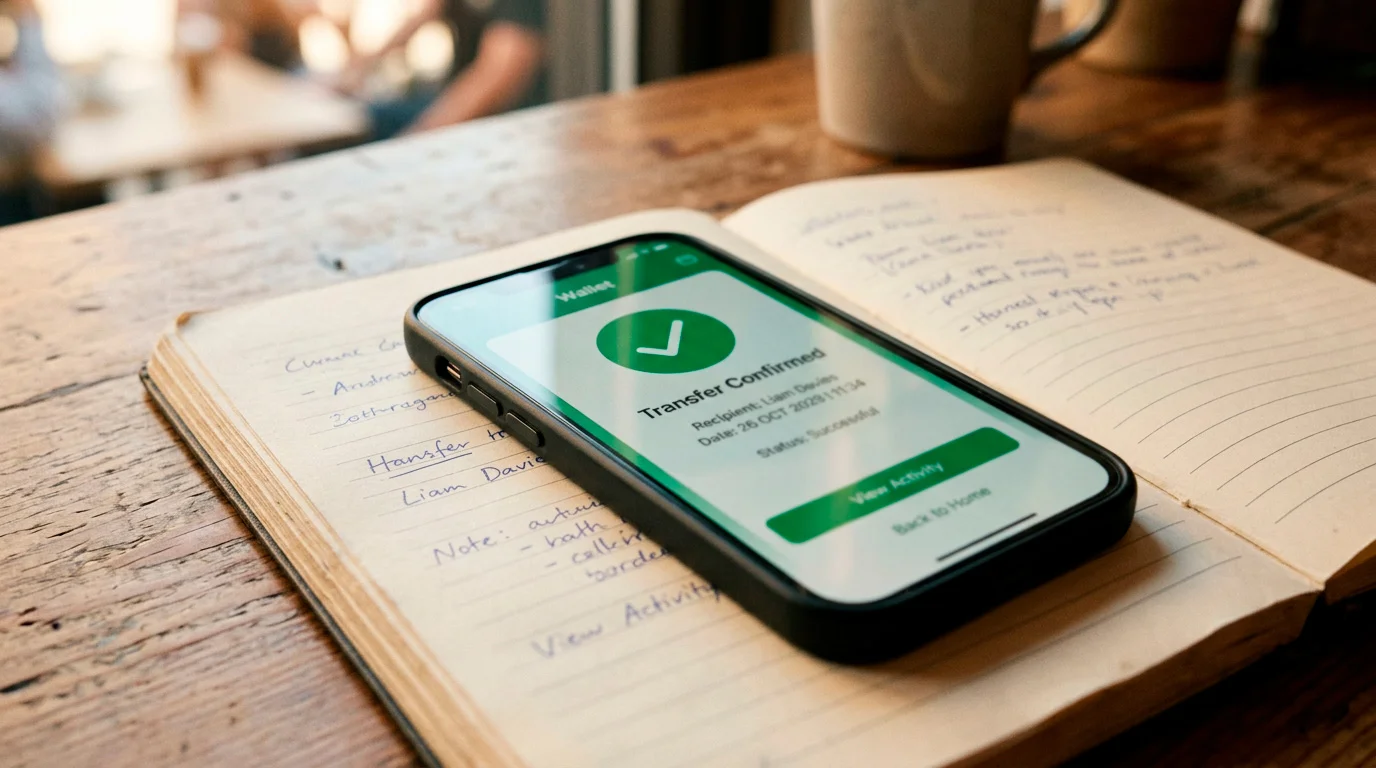
Notice what is and is not in that list. Depositing into a casino from a funded GBP wallet, when the casino also takes GBP, typically carries no wallet conversion fee at all, because nothing is being converted. The 2.99% or 1.49% only bites when currencies cross. So the practical lesson is that your “fees” are largely a function of two choices you control: which tier you hold and whether you keep your balance in the same currency you gamble in. Upgrade to Gold and hold pounds, and the wallet becomes close to free for ordinary UK casino play. Sit on Classic with a euro balance, and you are paying the maximum margin on every move.
The Fees That Belong to the Casino
A reader once forwarded me a casino statement convinced the site had skimmed 5% off his deposit. It had not. The “missing” money was the wallet’s currency conversion, which I will come to. But his instinct — that the casino might charge — is not paranoid, because some do.

Casino-side fees are entirely the operator’s call, and in the UK-licensed market they are the exception rather than the rule for e-wallet deposits. Most licensed sites process a Payz deposit at face value: deposit £50, get £50 of playable balance. A minority attach a processing charge to certain methods, usually disclosed in the cashier or the banking terms, and it tends to be a small percentage or a flat amount. The honest sites state it before you confirm; the ones that bury it are telling you something about how they operate.
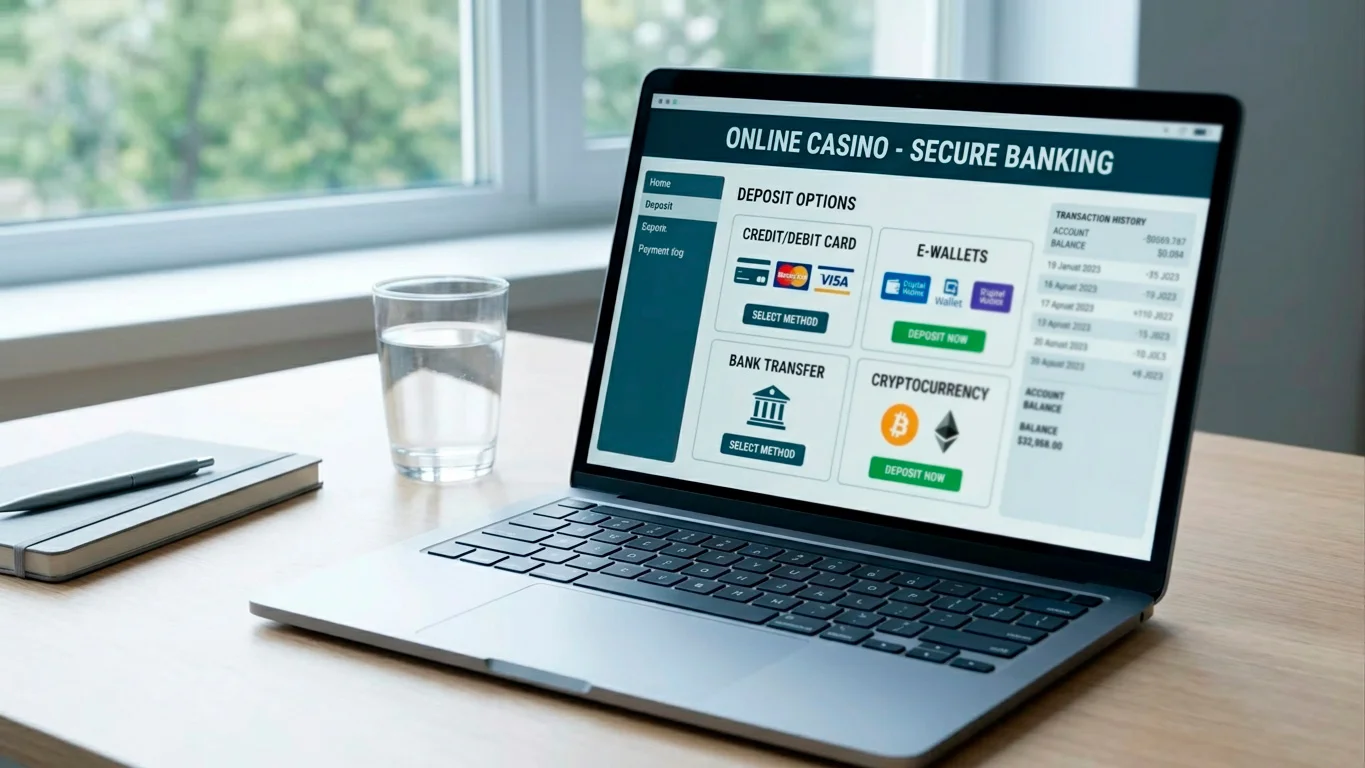
The reason this matters more than the small sums involved is that a transparent cashier is a trust signal. When an operator clearly labels what it charges, when it processes, and what the minimums are, that openness usually correlates with how it behaves at withdrawal time too. A casino that hides a deposit fee is not a casino I would trust to be straight about a payout delay. Read the banking page before you fund, not after the balance looks wrong, and judge the operator partly on how plainly it tells you what it takes.
Where Currency Quietly Eats Your Balance
This is the fee that does not call itself a fee, and it is the one I would warn a UK player about first. Payz supports more than 50 currencies — GBP, EUR, USD and dozens more — which is genuinely useful and also the trap. Holding a wallet that can be any currency makes it easy to end up gambling across a currency boundary without noticing.
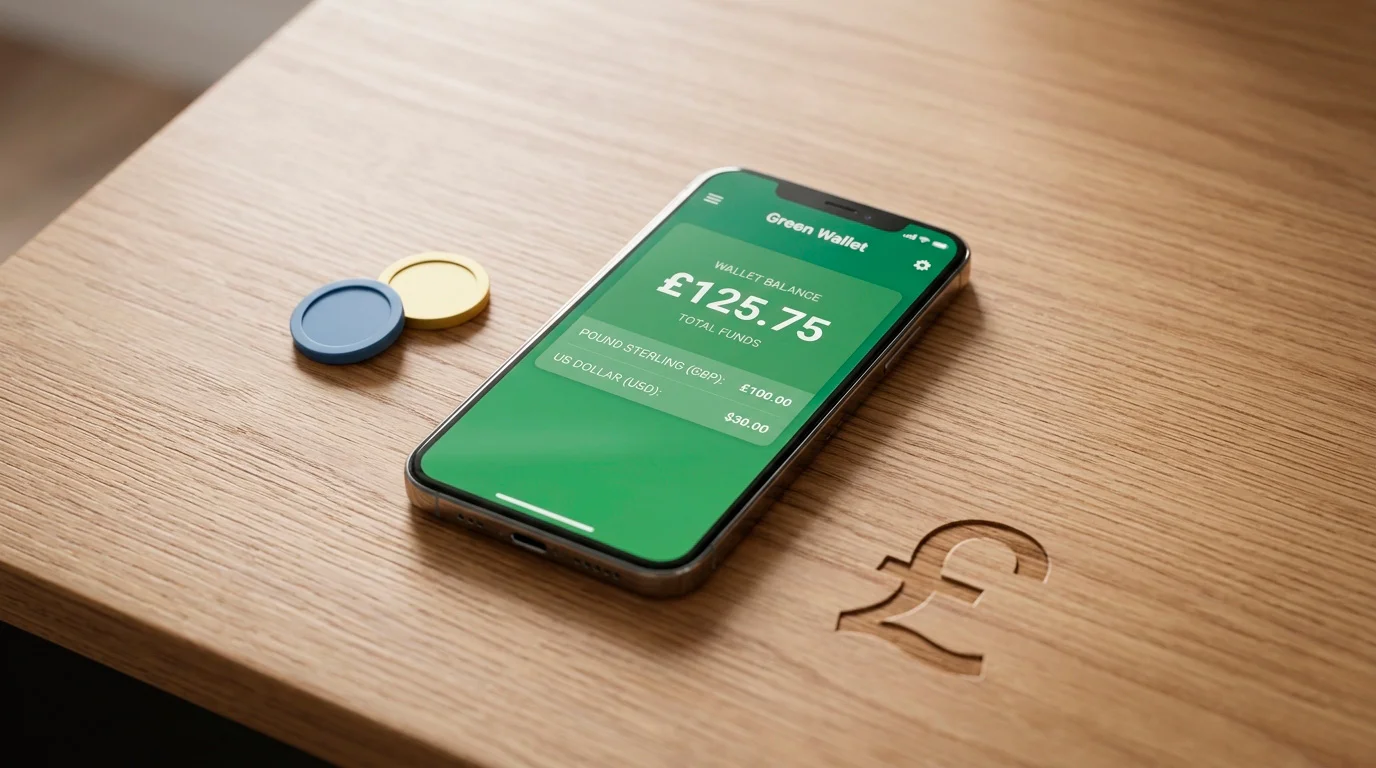
Say your Payz balance is in euros, out of habit or because that is how you set it up, and you deposit at a casino that operates in pounds. The wallet converts EUR to GBP and applies its margin — 2.99% on a lower tier, 1.49% on Gold. On a £200 deposit, the Classic rate quietly costs around £6 you never see itemised. Withdraw the winnings back, convert again, and you have paid the margin twice on the same money. That double-conversion is how a “no-fee” casino session still ends up lighter than the maths says it should.
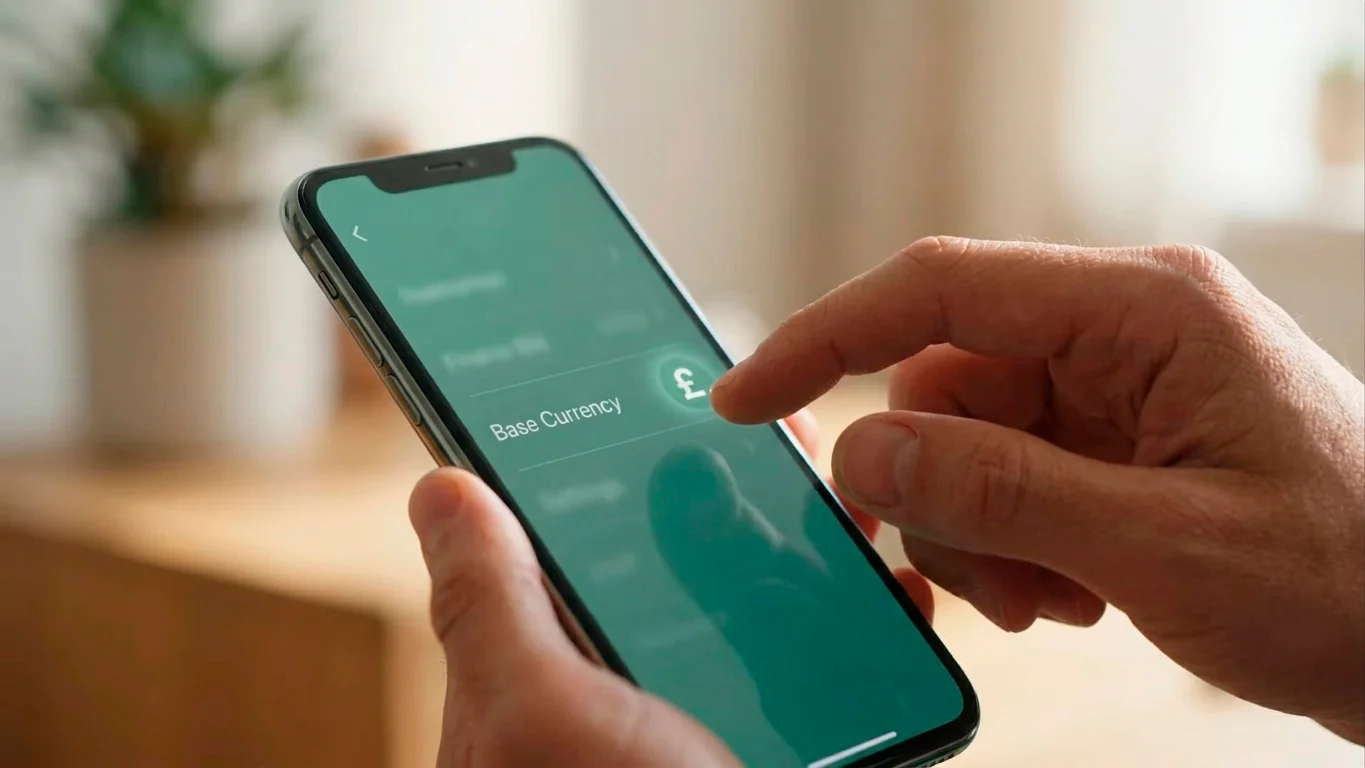
The fix is unglamorous and free: hold your balance in the currency you actually gamble in. For a UK player that means GBP, set as the wallet’s base, so deposits and withdrawals at a sterling casino never trigger a conversion at all. The mechanics of how the margin is applied, and the specific trap of converting twice on a round trip, deserve a closer look than I can give them here — I have laid out the full calculation in the breakdown of currency conversion when you deposit with ecoPayz. Get the currency right and the wallet’s real cost for UK casino play collapses to almost nothing.
Published by the Vaultline team.